
Sodium Tripolyphosphate (STPP) is one of the most commonly used chemical raw materials in many industries, from detergents to water treatment and food processing. It plays a critical role as a builder, sequestrant and stabilizer in many formulations.
For those who are new to the chemical industry or unfamiliar with STPP, this article will give a clear and complete understanding of what it is, why it is important, how it is used and what to consider when handling it.
What is Sodium Tripolyphosphate (STPP)?
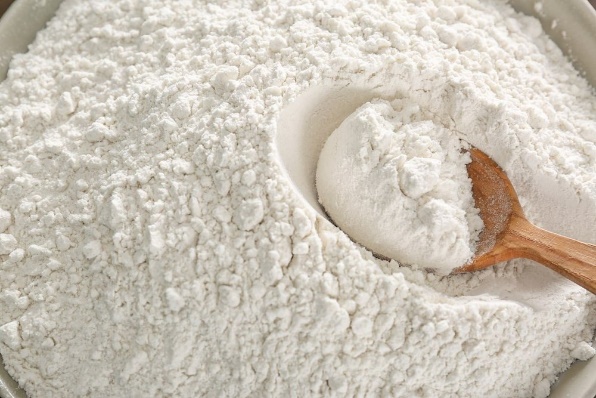
Sodium Tripolyphosphate is an inorganic compound made by combining sodium carbonate and phosphoric acid, followed by heating and drying. It appears as a white, granular or crystalline powder that is highly soluble in water.
When dissolved in water, STPP works as a chelating agent, it binds to metal ions such as calcium and magnesium. This property makes it highly useful in many cleaning and industrial applications where water hardness can cause problems.
Chemical Structure and Properties
Understanding the chemical structure of STPP helps explain why it is so effective:
- Physical form: White powder or granular form
- Solubility: Easily soluble in water
- pH (1% solution): Around 9–10
- Stability: Stable under normal storage conditions
When dissolved, STPP releases sodium ions and polyphosphate ions. These ions can bind with calcium and magnesium, preventing scale formation and enhancing cleaning performance.
Key Functions of STPP
STPP serves multiple functions depending on the application:
- Water Softening: Binds to calcium and magnesium ions to reduce water hardness.
- Dispersing Agent: Keeps solid particles suspended, preventing them from redepositing.
- Buffering Agent: Maintains stable pH in many formulations.
- Stabilizer: Helps preserve the quality of products during storage.
- Emulsifier: Aids in mixing oil and water phases in some formulations.
These functions make STPP a multi-functional ingredient in many industries.
Major Applications of STPP in Different Industries
a. Detergent Industry
STPP is most commonly known as a builder in detergent formulations.
- It enhances the cleaning efficiency of surfactants.
- Prevents mineral build up on fabrics or surfaces.
- Commonly used in powder detergents, automatic dishwashing formulations and industrial cleaners.
Example: In laundry detergent, STPP improves the washing performance by keeping dirt in suspension and preventing it from settling back on clothes.
b. Water Treatment
STPP is widely used in water treatment systems:
- Prevents scale and corrosion in pipes.
- Binds metal ions that can affect water quality.
- Improves the efficiency of other treatment chemicals.
Example: In cooling tower systems, STPP helps to reduce scale build up caused by hard water.
c. Food Industry
In the food sector, STPP is approved for use as a food additive in some regions.
- Acts as a moisture-retaining agent in meat and seafood processing.
- Improves texture and water-holding capacity.
- Helps stabilize color and extend shelf life.
Example: In seafood processing, STPP is used to maintain the firmness and freshness of shrimp and fish.
d. Ceramics and Construction
- Improves dispersion of ceramic slips and slurries.
- Enhances workability and reduces water consumption.
- Used in tile and sanitary ware production.
e. Textile and Leather Processing
- Prevents scale in dyeing baths.
- Improves penetration of dyes.
- Acts as a buffer to maintain pH in leather tanning processes.
Safety and Handling of STPP
While STPP is widely used, proper handling is important:
- Avoid inhalation of dust during handling.
- Use personal protective equipment (PPE) like gloves, mask and goggles.
- Store in a dry, well-ventilated area to prevent moisture absorption.
- STPP is not flammable but should be kept away from strong acids.
Important note: STPP can cause irritation to eyes and skin upon direct contact, basic industrial hygiene is recommended.
Quality Specifications to Consider
When selecting STPP for industrial use, important specifications include:
- Purity
- Moisture content
- pH of 1% solution
- Bulk density
- Particle size distribution
Why this matters:
High-purity STPP ensures better performance in applications such as detergent production, food processing, and water treatment.
Environmental and Regulatory Aspects
In some regions, the use of phosphates is regulated due to environmental concerns such as eutrophication (excess nutrients in water bodies).
Many countries have specific limits on phosphate levels in detergents. However, STPP remains an effective and widely used phosphate compound where permitted.
Companies must comply with local environmental regulations when using or formulating products with STPP.
Common Questions About STPP
Is STPP harmful to humans?
When used correctly, STPP is generally considered safe for industrial and regulated food applications. However, direct contact with the powder may cause irritation.
Can STPP be replaced by other builders?
Yes, some industries use alternatives like zeolites or other phosphates, but STPP remains one of the most effective builders due to its strong chelating power.
Why is STPP preferred in detergents?
It improves cleaning efficiency, softens water and stabilizes formulations, making it highly reliable and cost-effective.
Key Takeaways
Sodium Tripolyphosphate (STPP) is a versatile chemical used across many industries. Its main functions are water softening, dispersion, stabilization and buffering. It plays a critical role in detergent, water treatment, food processing and ceramic industries. Proper handling, quality control and environmental compliance are essential for its use. A good understanding of STPP helps industries formulate better products and optimize performance.