

Foot soaking is a common self-care practice used to help tired feet feel more comfortable after long hours of standing, walking or exercising. Some people add mineral salts to warm water to improve the soaking experience. One of the most popular ingredients for this purpose is magnesium sulfate, commonly known as Epsom salt.
Magnesium sulfate is a water-soluble inorganic compound used in various industries, including personal care, agriculture and pharmaceuticals. In foot soak products, it is mainly used as a mineral salt that dissolves in water.
But what are the benefits of magnesium sulfate for foot soaks? How does it work and what should users consider before using it?
Understanding its properties, applications and limitations can help consumers and manufacturers make informed decisions when selecting ingredients for foot care products.
What Is Magnesium Sulfate?
Magnesium sulfate is an inorganic chemical compound with the chemical formula MgSO₄. It consists of magnesium ions and sulfate ions.
It is available in different forms, including anhydrous magnesium sulfate and magnesium sulfate heptahydrate. The heptahydrate form, with the chemical formula MgSO₄·7H₂O, is commonly known as Epsom salt.
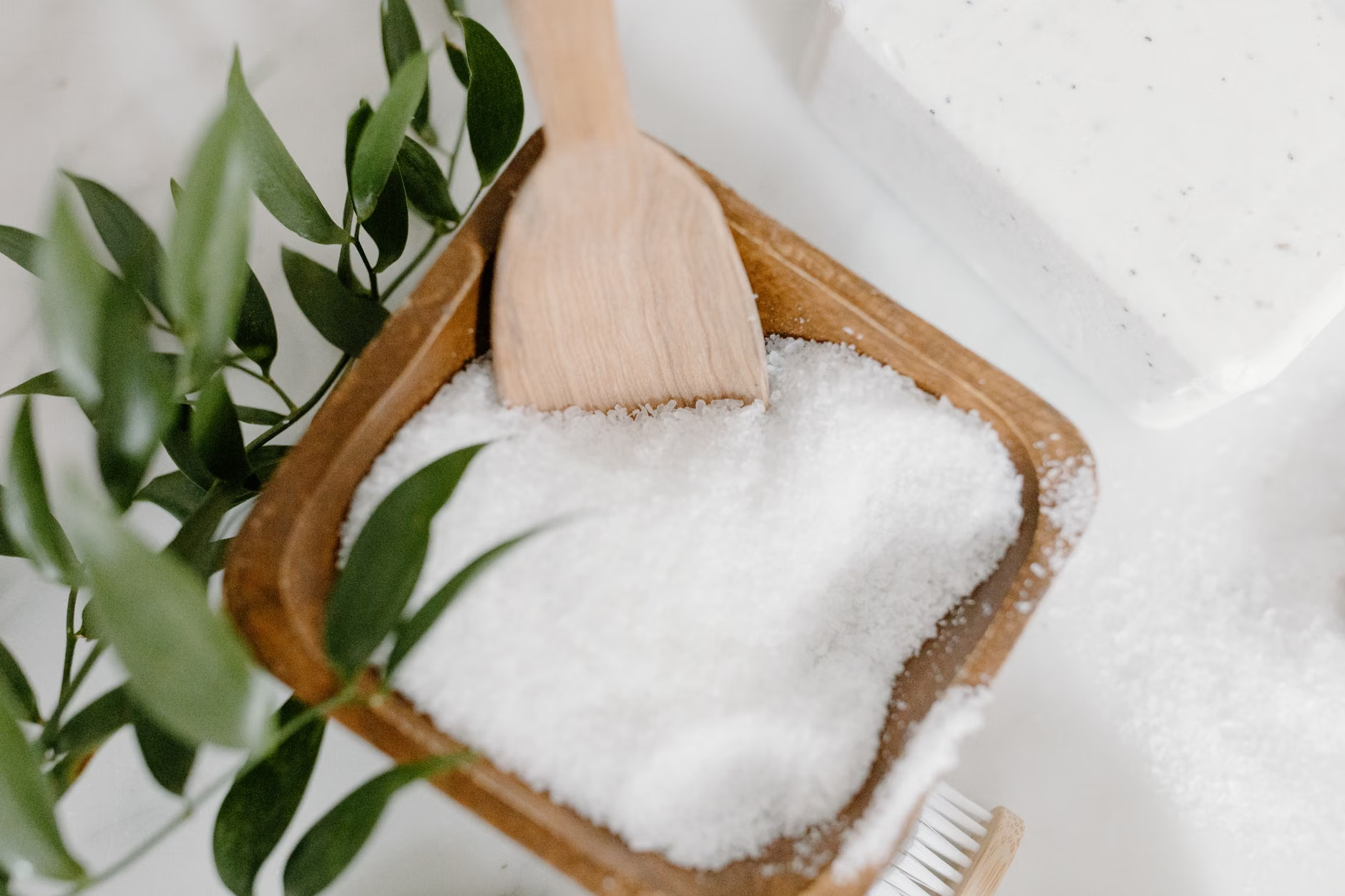
Magnesium sulfate generally appears as white powder or colourless crystals. It dissolves in water, allowing it to be used in bath preparations and foot soak products.
Although magnesium sulfate and table salt may look similar, they are chemically different. Table salt mainly contains sodium chloride, while magnesium sulfate contains magnesium and sulfate.
Why Is Magnesium Sulfate Used for Foot Soaks?
Magnesium sulfate is commonly used in foot soak preparations because it dissolves in water and provides a simple way to add mineral salts to a soaking solution.
Warm water is often used to help tired feet feel comfortable and to soften the outer layer of the skin. Magnesium sulfate is traditionally added to these preparations as part of a relaxing foot care routine.
However, it is important to separate traditional uses from scientifically established effects. Evidence supporting some commonly advertised benefits of magnesium sulfate foot soaks remains limited.
1. Provides a Relaxing Soaking Experience
A warm foot soak can be a convenient way to rest after a busy day. People who stand for long periods or walk frequently may enjoy soaking their feet as part of their personal care routine.
Magnesium sulfate adds a mineral salt to the water. The relaxing experience may come mainly from the warm water, rest and overall soaking process rather than from a specific medical effect of the salt.
2. May Help Temporarily Soothe Tired Feet
People sometimes use magnesium sulfate foot soaks after physical activity or prolonged standing.
Warm water may provide temporary comfort, but there is limited evidence that magnesium sulfate itself offers additional relief from muscle soreness or foot pain.
Persistent pain, swelling or other unusual symptoms should not be treated with foot soaking alone.
3. Helps Soften the Surface of the Skin
Soaking the feet in water can temporarily soften the outer layer of the skin. This may make routine foot care more comfortable.
After soaking, applying a suitable moisturiser can help maintain skin hydration. However, magnesium sulfate should not be considered a proven treatment for severe calluses, cracked heels or other skin conditions.
4. Suitable for Personal Care Product Development
Magnesium sulfate can serve as the main mineral salt in foot soak products for home use or spa applications.
Manufacturers may combine it with other suitable ingredients to create products with different appearances, fragrances and user experiences. The final formulation must be evaluated for ingredient compatibility and suitability for its intended use.
How Does Magnesium Sulfate Work in a Foot Soak?
When magnesium sulfate is added to water, the crystals gradually dissolve and separate into magnesium ions and sulfate ions.
The resulting solution distributes these ions throughout the water. The speed of dissolution depends on factors such as water temperature, crystal size, stirring and the amount of salt added.
Once the crystals have dissolved, the feet can be immersed in the solution according to the product instructions.
The warm water provides the main soaking experience and may temporarily soften the skin. However, the presence of dissolved magnesium does not mean that a significant amount will enter the body through the skin.
Magnesium is an essential mineral involved in normal muscle and nerve function. Nevertheless, current evidence does not establish that magnesium sulfate foot soaks reliably increase the body's magnesium levels or correct a magnesium deficiency.
Therefore, foot soaks are best understood as an external personal care practice rather than a proven method of delivering magnesium into the body.
How to Prepare a Magnesium Sulfate Foot Soak
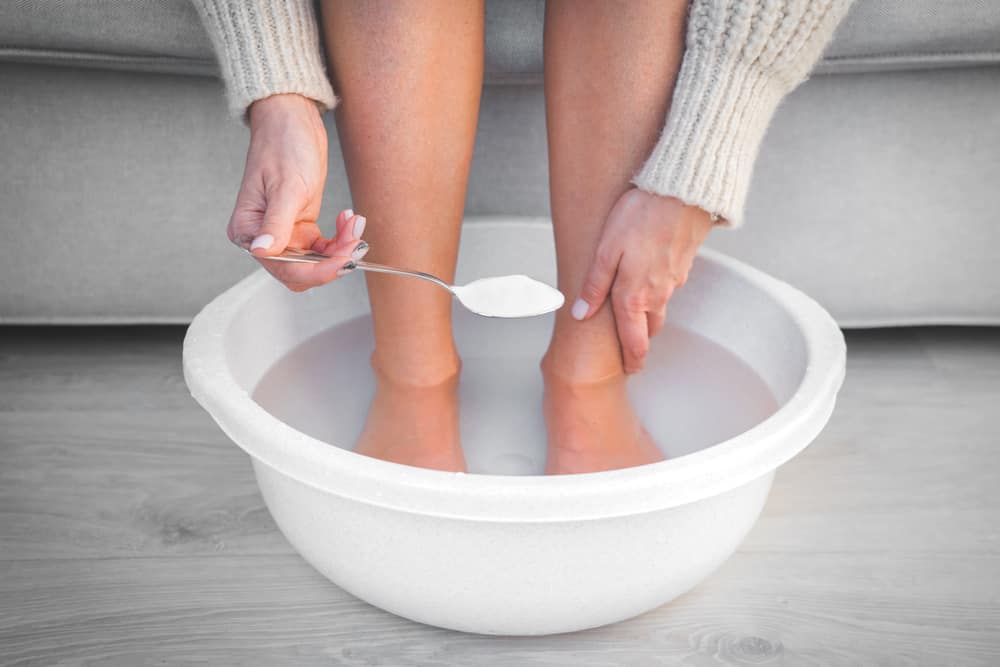
A basic foot soak requires magnesium sulfate suitable for external use, clean water, a foot basin and a clean towel.
Step 1: Prepare the water
Fill a clean basin with comfortably warm water. Avoid very hot water, which can cause burns or skin irritation.
Step 2: Add magnesium sulfate
Measure the amount according to the product label. Add it to the water and stir until the crystals dissolve.
The required amount may vary depending on the product and its hydration form. Follow the manufacturer's instructions rather than assuming that all magnesium sulfate products require the same quantity.
Step 3: Soak the feet
Place the feet in the prepared solution for the duration recommended on the product label. Avoid prolonged soaking, particularly if the skin is dry or sensitive.
Stop immediately if irritation, redness, itching or discomfort develops.
Step 4: Dry the feet
Remove the feet from the basin and dry them thoroughly with a clean towel, including between the toes. Apply a suitable moisturiser if needed, avoiding excessive moisture between the toes.
Clean the basin after use and do not reuse the soaking solution for another person.
Can Magnesium Sulfate Be Mixed with Other Foot Soak Ingredients?
Yes. Magnesium sulfate can be used as the main mineral salt in certain foot soak blends. Other ingredients may be added to improve the product's appearance, fragrance or overall user experience.
However, every ingredient should have a clear purpose and be suitable for the intended application.
- Sodium bicarbonate: Sometimes included in bath and foot care products. It can affect the pH of the soaking solution.
- Fragrance: Can provide a pleasant scent, but the fragrance material must be suitable for the intended skin-contact application. Some fragrance oils do not dissolve evenly in water, so an appropriate solubilising system may be necessary.
- Colourants: May be used to create a particular appearance. Select colourants suitable for the intended personal care application.
- Other mineral salts: Can be combined with magnesium sulfate to create different salt blends, but their effects on moisture absorption, solubility and product stability should be assessed.
For commercial products, compatibility testing and appropriate packaging are important. Adding more ingredients does not automatically make a foot soak more effective.
What Grade of Magnesium Sulfate Is Suitable for Foot Soaks?
Magnesium sulfate is available in different grades, depending on its intended use and manufacturing requirements.
Cosmetic or personal care grade
A grade specifically intended for cosmetic or personal care applications is a practical starting point for developing a commercial foot soak. Manufacturers should review the product specification, purity information and relevant safety documentation.
Pharmaceutical grade
Pharmaceutical-grade material is produced to meet specific pharmaceutical quality requirements. Its suitability depends on the intended application and applicable regulations. It is not automatically necessary for every cosmetic foot soak.
Technical or industrial grade
Technical-grade magnesium sulfate is generally intended for industrial or other specified technical applications. It should not be assumed suitable for products intended for direct skin contact.
The chemical name alone does not establish whether a product is suitable for personal care. Purity, impurities, quality controls and intended use must also be considered.
Storage and Handling of Magnesium Sulfate
Proper storage helps maintain the quality and physical condition of magnesium sulfate.
- Keep containers tightly closed to reduce exposure to moisture.
- Store in a dry place away from direct contact with water.
- Use suitable packaging to protect the material during storage and transport.
- Use clean, dry tools when measuring the material.
- Follow the supplier's storage instructions and review the product's shelf-life guidance.
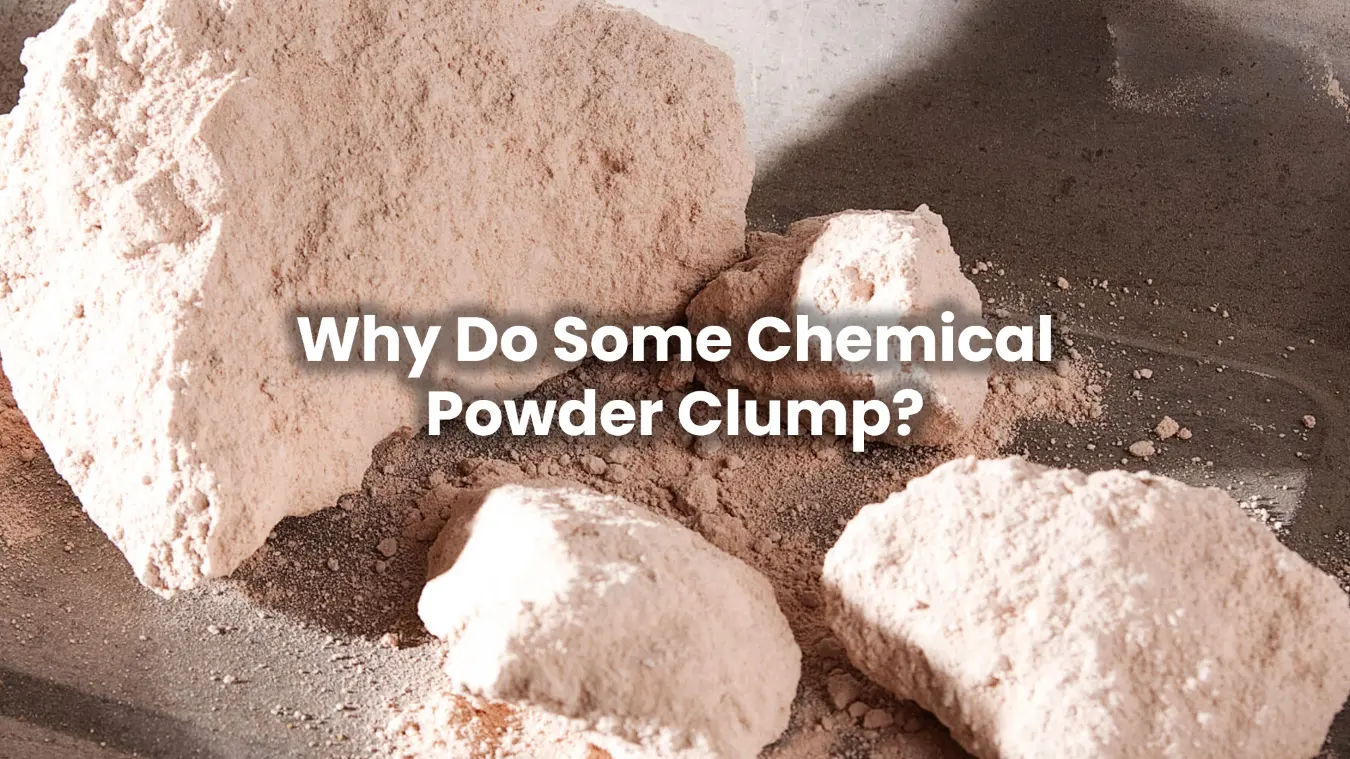
Moisture exposure may cause a dry foot soak blend to clump, making it harder to handle or measure. Finished products should be assessed for stability and packaging suitability.
Safety Precautions
Although magnesium sulfate is used in external soaking products, proper use remains important.
Avoid soaking broken or infected skin. Open wounds, ulcers and suspected infections may require medical care rather than a foot soak.
Take extra care with diabetes. Reduced sensation, poor circulation and slower wound healing may increase the risk of complications. Seek medical advice before soaking the feet.
Avoid very hot water. This is particularly important for anyone with reduced sensation in the feet.
Do not swallow a foot soak preparation. Products intended for external use must not be ingested. Some magnesium sulfate products are used as oral medicines, but their directions and safety considerations differ.
Seek medical advice for persistent symptoms. Severe pain, significant swelling, spreading redness or discharge should be assessed by a healthcare professional.
Frequently Asked Questions
Can magnesium sulfate treat fungal infections?
It should not be relied on to treat fungal infections such as athlete's foot. Appropriate antifungal treatment may be required.
Does magnesium sulfate remove toxins through the feet?
There is no reliable evidence that magnesium sulfate foot soaks detoxify the body by drawing out toxins.
Can fragrance oil be added to magnesium sulfate?
Fragrance may be included in a properly developed foot soak blend, but it must be suitable for the intended skin-contact application. Since fragrance oils may not dissolve evenly in water, formulation testing is important.
Can magnesium sulfate be used every day?
The appropriate frequency depends on the product instructions and individual skin condition. Frequent soaking may dry or irritate the skin, so daily use should not be assumed suitable for everyone.
Conclusion
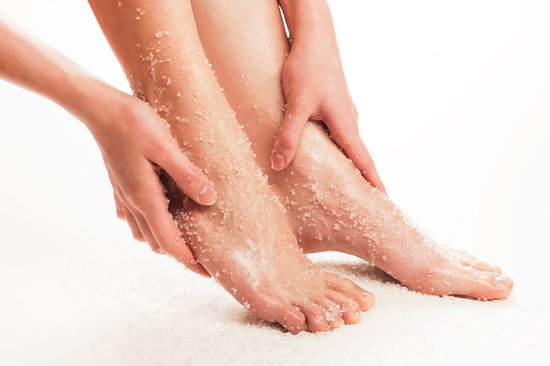
Magnesium sulfate is a water-soluble mineral compound commonly used in foot soak preparations. When combined with warm water, it can form part of a relaxing personal care routine, while the water itself may temporarily soften the skin and provide comfort for tired feet.
However, evidence for additional medical benefits, including significant magnesium absorption through the skin, remains limited.
For personal use, follow the product instructions and take appropriate safety precautions. For manufacturers, selecting the correct grade, understanding the difference between anhydrous and hydrated forms and checking ingredient compatibility are essential steps in developing a suitable foot soak product.