

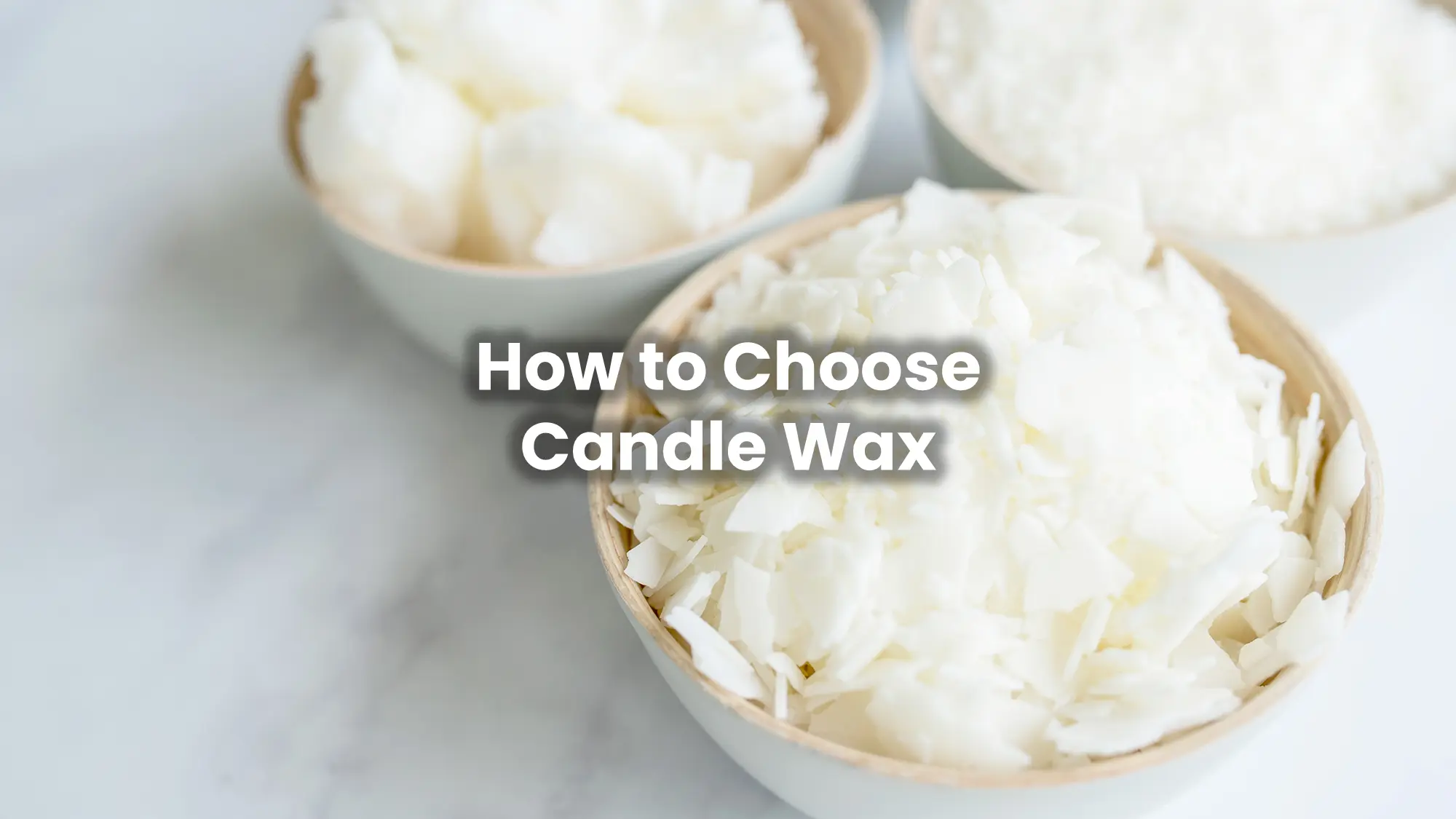
Wax is the main fuel of a candle. When the wick is lit, the heat melts the surrounding wax, which then travels up the wick and vaporizes to sustain the flame.
Different waxes have different melting points, burn times and scent retention abilities. These variations determine:
- How long the candle burns
- How strong the fragrance smells
- How smooth or shiny the candle surface appears
- How eco-friendly or cost-effective the product is
Choosing the right wax is therefore not only about appearance but also about performance and market positioning.
Overview of Common Candle Waxes
In the candle industry, three major waxes dominate the market: beeswax, soy wax and paraffin wax. Each has unique chemical and physical properties and the right choice depends on your goals in terms of sustainability, cost, appearance and customer preference.
Beeswax – The Natural Luxury Wax
What Is Beeswax?
Beeswax is a natural wax produced by honeybees. It is secreted from glands on the bee’s abdomen and used to build honeycomb structures. After honey is extracted, the remaining wax is purified and used in various industries including cosmetics, pharmaceuticals and candles.
Characteristics:
- Color: Golden yellow to light brown
- Scent: Naturally sweet and honey-like, even without fragrance oil
- Melting Point: 61-65°C
- Burn Time: Long and steady
- Appearance: Smooth and glossy finish
Advantages:
- 100% natural and renewable source
- Clean burning with very low smoke
- Natural scent even without added fragrance
- Produces bright, warm flame
- Hypoallergenic and safe for sensitive users
Disadvantages:
- Higher cost compared to other waxes
- May be too hard for container candles unless blended
- Limited compatibility with synthetic fragrance oils
Ideal For:
High-end or natural product lines, aromatherapy candles, or eco-conscious brands that highlight sustainability and purity.
Soy Wax – The Popular Eco-Friendly Choice
What Is Soy Wax?
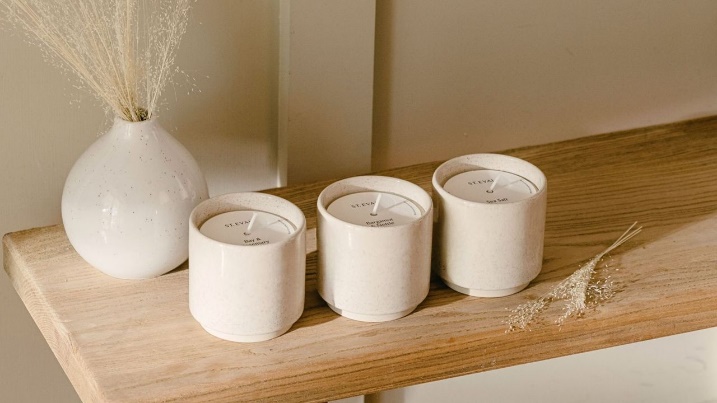
Soy wax is a vegetable wax derived from hydrogenated soybean oil. It became popular as an alternative to paraffin due to its renewable origin and clean-burning properties.
Characteristics:
- Color: Creamy white
- Scent: Neutral, excellent for fragrance retention
- Melting Point: 49-52°C
- Burn Time: Medium to long
- Appearance: Smooth, sometimes prone to frosting
Advantages:
- Made from renewable plants (soybeans)
- Longer burn time compared to paraffin
- Excellent scent throw for both essential and fragrance oils
- Easy to clean with soap and water
- Often marketed as eco-friendly and vegan
Disadvantages:
- Softer texture makes it less suitable for pillar candles without blending
- Prone to frosting (white crystalline effect on the surface)
- Slightly more expensive than paraffin
Ideal For:
Container candles, scented candles, or brands promoting sustainable and natural ingredients.
Paraffin Wax – The Industrial Standard
What Is Paraffin Wax?
Paraffin wax is a petroleum-derived wax obtained during the refining of crude oil. It has been used for over a century and remains the most widely used candle wax due to its affordability and versatility.
Characteristics:
- Color: White or transparent
- Scent: Odorless, allowing strong fragrance throw
- Melting Point: 46-68°C (depending on grade)
- Burn Time: Shorter than soy or beeswax
- Appearance: Glossy and smooth
Advantages:
- Cost-effective and easy to source
- Excellent color and fragrance retention
- Produces strong scent throw
- Suitable for all candle types, pillar, container or votive
Disadvantages:
- Derived from non-renewable petroleum
- Produces more soot and smoke if not properly formulated
- Perceived as less eco-friendly
Ideal For:
Mass-market candles, decorative or colored candles and applications where cost and strong fragrance are important.
Comparing Beeswax, Soy Wax, and Paraffin Wax
Property | Beeswax | Soy Wax | Paraffin Wax |
Source | Natural (bees) | Natural (soybeans) | Synthetic (petroleum) |
Eco-Friendliness | Very high | High | Low |
Cost | High | Moderate | Low |
Burn Time | Long | Medium to long | Short |
Fragrance Retention | Moderate | Excellent | Excellent |
Appearance | Natural shine | Matte/creamy | Glossy |
Suitability | Premium/natural | Everyday eco | Industrial/mass market |
How to Choose the Right Wax for Your Candle Business

When deciding which wax to use, consider the following questions:
- Who is your target market?
- Luxury buyers prefer beeswax for its natural origin.
- Eco-conscious customers choose soy wax.
- Cost-sensitive consumers prefer paraffin.
- What type of candle are you producing?
- Container candles: Soy wax or beeswax blends.
- Pillar candles: Paraffin or blended waxes.
- Scented candles: Soy or paraffin for better fragrance throw.
- What kind of brand image do you want?
- Natural and artisanal: Beeswax
- Eco-friendly and modern: Soy wax
- Affordable and decorative: Paraffin wax
- Do you want to blend waxes?
Many manufacturers blend waxes to combine the benefits of each type.
For example:
- Soy + Paraffin Blend: Improves scent throw and hardness.
- Beeswax + Soy Blend: Combines natural appeal with smooth finish.
Performance Factors to Consider
a. Melting Point
The melting point affects how the candle behaves in different climates.
- Low melting point = better for containers and cooler burn.
- High melting point = better for pillars and warmer climates.
b. Scent Throw
The ability of wax to hold and release fragrance oils is key in scented candles. Paraffin and soy excel in this area. Beeswax, while naturally scented, does not hold added fragrance as effectively.
c. Burn Quality
Clean burning and low soot formation are signs of good wax quality and correct wick selection. Beeswax and soy burn cleaner than paraffin.
Sustainability and Environmental Considerations
With growing global awareness of sustainability, many candle makers are shifting toward renewable and biodegradable waxes.
- Beeswax supports small-scale beekeeping and agriculture.
- Soy wax supports farming industries and reduces carbon footprint.
- Paraffin wax, while efficient, depends on fossil fuels and may not align with eco-friendly branding.
Choosing a sustainable wax can enhance brand reputation and meet consumer expectations for environmentally responsible products.
Conclusion
Each type of candle wax has its own strengths and weaknesses. The best wax depends on your production goals, budget and customer preference. Choose beeswax for natural luxury and long burn time. Choose soy wax for eco-friendly, scented container candles. Choose paraffin wax for cost efficiency and vivid fragrance. For many candle makers, the perfect formula comes from testing and blending different waxes to achieve the right balance of performance, cost and aesthetics.