Isopropyl Alcohol also known as IPA, is one of the most commonly used chemicals in modern industries. It is widely used as a cleaning solvent, disinfectant and processing aid in many applications. Due to its strong performance, easy handling and wide compatibility, IPA is an essential raw material across different sectors.
This article explains what IPA is, how it works, why it is used and what industries should understand when handling and applying it.
Chemical Structure and Properties
IPA is a clear, colourless liquid with a strong alcohol smell. IPA belongs to the alcohol family of chemicals and is classified as a solvent.
Basic chemical information:
- Chemical name: Isopropyl Alcohol
- Common name: IPA
- Appearance: Clear, colourless liquid
- Odour: Strong alcohol smell
- Solubility: Fully soluble in water
IPA mixes easily with water and many organic substances, which makes it very flexible for industrial use.
How IPA Is Made
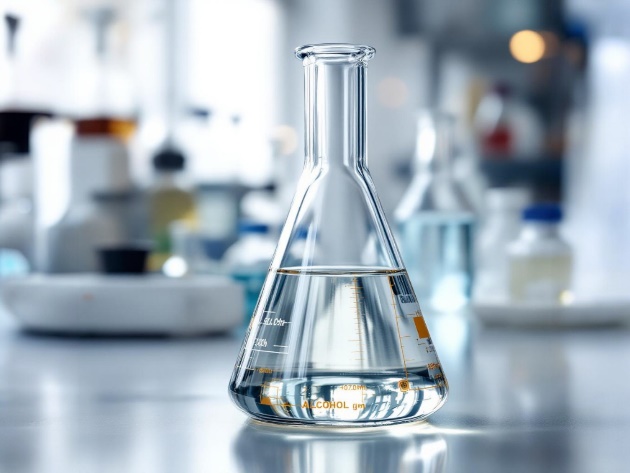
IPA is mainly produced by reacting propylene with water under controlled conditions. This process is done in industrial chemical plants to ensure consistent quality and purity.
The production method allows manufacturers to produce IPA in large volumes with stable specifications. This is important for industries that require reliable and repeatable performance from raw materials.
Key Chemical and Physical Properties of IPA
IPA is widely used because it has a balanced set of properties.
Important properties include:
- Fast evaporation rate
- Strong ability to dissolve oils and grease
- Low residue after drying
- Good compatibility with metals, plastics and glass
- Effective antimicrobial action
As IPA evaporates quickly, it is often used where fast drying is required.
Common IPA Concentrations and Their Uses
IPA is available in different concentration levels. Each concentration serves a different purpose.
- IPA 99%
Used for electronics cleaning, laboratory use and precision applications where water content must be very low.
- IPA 75%
Commonly used for surface cleaning and disinfection. The presence of water helps improve contact time during cleaning.
- IPA 50% and below
Used in some industrial cleaning and formulation processes where slower evaporation is needed.
Choosing the right concentration depends on the application and performance requirement.
Why IPA Is an Effective Cleaning Solvent
IPA works well as a cleaning solvent because it can dissolve many types of contamination.
During cleaning:
- IPA penetrates the dirt or grease layer
- It dissolves oils and organic residues
- Contaminants are lifted from the surface
- IPA evaporates, leaving little or no residue
This makes IPA suitable for cleaning sensitive surfaces where water alone is not effective.
Industrial Applications of IPA
IPA is used in many industries due to its versatility.
Electronics and Electrical Industry
IPA is widely used to clean:
- Printed circuit boards
- Electronic components
- Sensors and connectors
It removes flux residues and dust without damaging components.
Manufacturing and Metal Processing
In manufacturing, IPA is used for:
- Degreasing metal parts
- Cleaning tools and equipment
- Surface preparation before coating or bonding
Clean surfaces improve coating adhesion and product quality.
Chemical and Laboratory Applications
In laboratories, IPA is used as:
- A solvent
- A cleaning agent for glassware
- A processing aid in chemical reactions
Its consistency makes it reliable for controlled environments.
Use of IPA in Healthcare and Hygiene
IPA has antimicrobial properties, which makes it useful in hygiene-related applications.
Common uses include:
- Surface disinfection
- Equipment cleaning
- Sanitizing formulations
IPA helps reduce microorganisms by breaking down their protective structures.
Use of IPA in Cosmetics and Personal Care
IPA is used carefully in cosmetic and personal care products.
Typical roles include:
- Solvent for fragrance ingredients
- Carrier for active substances
- Fast-drying agent in sprays and liquids
Its quick evaporation gives a clean and light feel during use.
IPA in Printing, Ink and Coating Applications
In printing and coating industries, IPA helps control formulation behaviour.
IPA is used to:
- Adjust drying speed
- Improve ink flow
- Control surface tension
This helps achieve smooth and consistent application results.
Storage and Handling of IPA
To maintain quality and safety:
- Store in a cool, dry place
- Keep containers tightly closed
- Avoid contamination with water or dust
- Use approved storage containers
Proper storage ensures consistent performance over time.
Environmental and Disposal Considerations
IPA evaporates quickly and does not stay long in the environment. However, disposal must still follow local regulations.
Do not:
- Discharge large amounts into drains
- Dispose of IPA without proper treatment
Responsible handling supports environmental safety and regulatory compliance.
How to Choose the Right IPA for Your Application
Before selecting IPA, consider:
- Required purity level
- Drying speed needed
- Surface compatibility
- Safety and handling requirements
Asking these questions helps ensure the IPA chosen matches the application needs.
Conclusion: Why IPA Is an Essential Industrial Chemical
IPA is a versatile and reliable chemical used across many industries. Its strong cleaning power, fast evaporation and wide compatibility make it a preferred choice for professionals.
By understanding what IPA is, how it works and how to use it safely, industries can achieve cleaner processes, better product quality and more consistent results. IPA remains one of the most important alcohol solvents in industrial and commercial applications today.