
Linear Alkyl Benzene Sulphonic Acid, commonly known as LABSA, is one of the most widely used raw materials in the detergent and cleaning industry. It plays a key role in products such as laundry detergent, dishwashing liquid, industrial cleaners and many other formulations.
For many users, LABSA may sound complex, but its function is actually straightforward, it is a powerful cleaning agent that helps remove dirt, grease and oil.
This article will explain what LABSA is, how it works, how it is used and why it is so important in modern cleaning products.
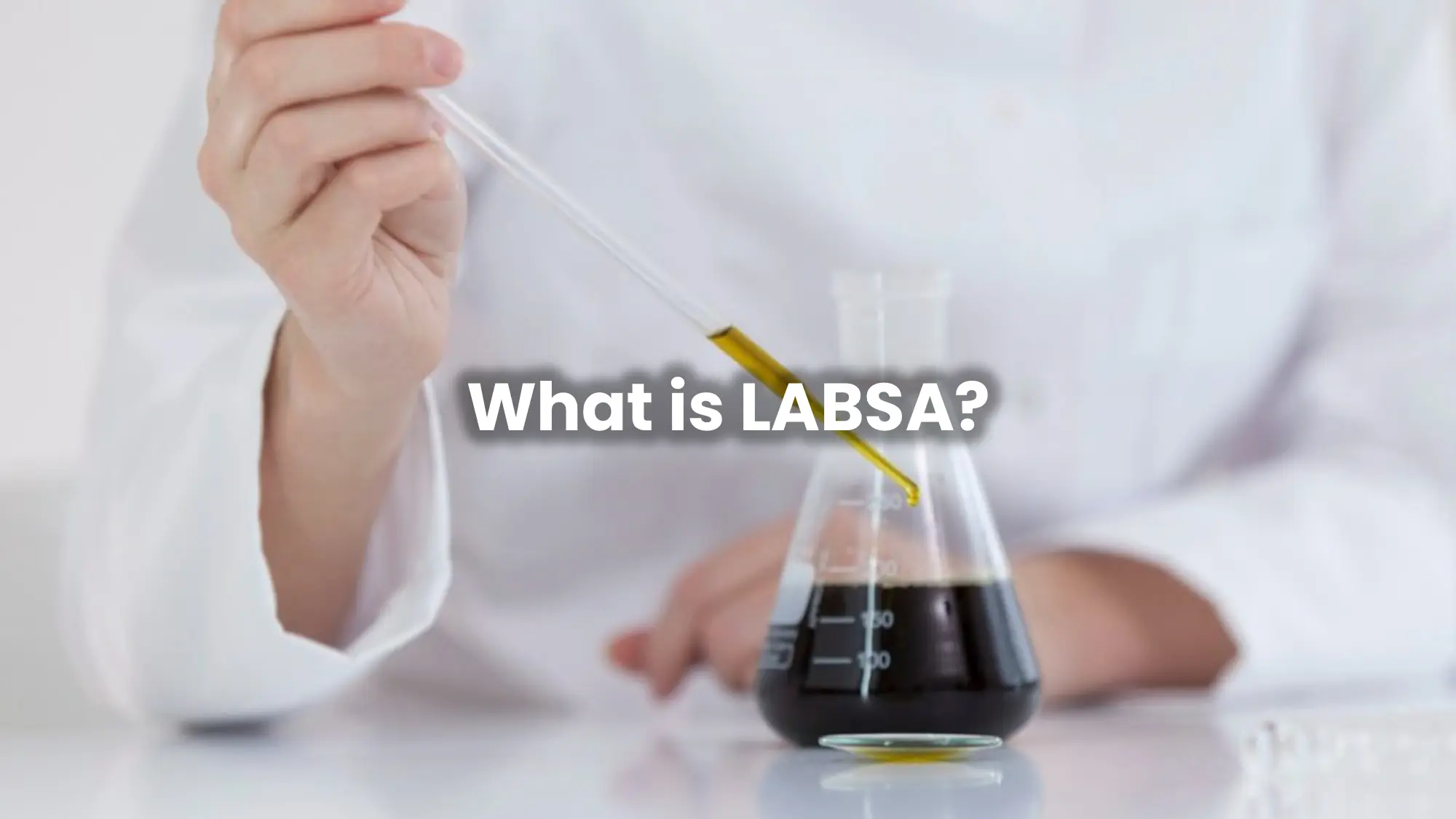
What is LABSA?
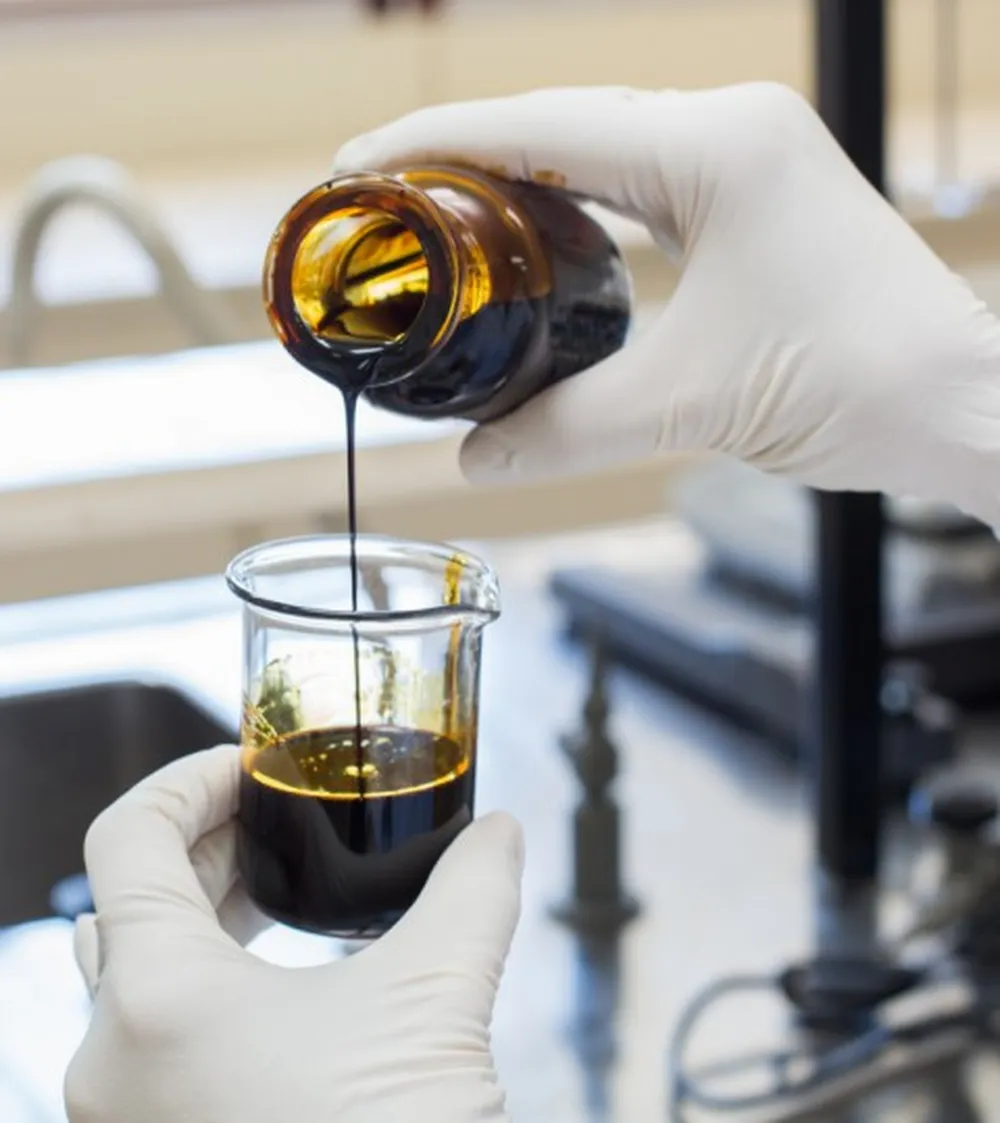
LABSA stands for Linear Alkyl Benzene Sulphonic Acid, an anionic surfactant in acid form.
In simple terms:
- It is a cleaning chemical that helps water remove dirt
- It must be neutralized before use in most formulations
- It is one of the main active ingredients in many detergents
Chemical nature:
- Organic acid with a long hydrophobic chain (oil-loving part)
- Sulphonic acid group (water-loving part)
This dual structure is what gives LABSA its cleaning power.
How Does LABSA Work? (Cleaning Mechanism)
LABSA works through a process called surface activity.
Step-by-step action:
- Reduction of surface tension
LABSA helps water spread more easily on surfaces.
- Breaking down grease and oil
The oil-loving part attaches to dirt and grease.
- Formation of micelles
Dirt is trapped inside small structures called micelles.
- Rinsing away dirt
The water-loving part allows the dirt to be washed away.
Without surfactants like LABSA, water alone cannot effectively remove oily dirt.
Why LABSA Needs Neutralization
LABSA is supplied in acid form, which is not suitable for direct use in most cleaning products.
It must be neutralized using a base such as:
- Sodium hydroxide (NaOH)
- Potassium hydroxide (KOH)
What happens during neutralization?
- LABSA reacts with alkali
- It converts into LAS (Linear Alkyl Benzene Sulphonate)
- The final product becomes mild and usable
Why is this important?
- Improves safety
- Adjusts pH to suitable level
- Enhances cleaning performance
Key Properties of LABSA
1. Strong Cleaning Power
- Excellent removal of grease and oil
- Suitable for both household and industrial cleaning
2. High Foaming Ability
- Produces rich foam, especially in handwashing products
- Foam helps user feel cleaning effectiveness
3. Good Biodegradability
- Breaks down in the environment over time
- More environmentally acceptable compared to older surfactants
4. Cost-Effective
- Widely available and economical
- Common choice for large-scale production
Applications of LABSA in Different Industries
1. Laundry Detergent
- Main active ingredient
- Removes dirt, sweat and oils from fabric
2. Dishwashing Liquid
- Cuts grease effectively
- Provides good foam for manual washing
3. Industrial Cleaners
- Used in floor cleaners, degreasers
- Effective for heavy-duty cleaning
4. Car Wash Shampoo
- Helps remove road dirt and oil
- Provides foaming action
Step-by-Step Formulation Process (Detergent)
Step 1: Dilution
- Add water into mixing tank
- Slowly add LABSA while stirring
Objective:
Prevents high local concentration and ensures safety.
Step 2: Neutralization
- Add sodium hydroxide slowly
- Monitor pH (target around 6-8 depending on product)
What happens?
LABSA converts into its salt form, making it active and usable.
Step 3: Add Other Surfactants
- Add secondary surfactants (if any)
- Improve foam and mildness
Step 4: Adjust Viscosity
- Add salt gradually
- Control thickness of product
Step 5: Final Adjustment
- Add preservative, fragrance, colour
- Mix until uniform
Important Points During Formulation
1. pH Control
- Too acidic: harsh to skin
- Too alkaline: may damage surfaces
2. Order of Mixing
- Incorrect sequence can cause instability
- Always neutralize before adding sensitive ingredients
3. Temperature Control
- Excess heat may affect stability
- Mix under controlled conditions
Common Problems and Solutions
1. Product Too Thin
- Not enough salt
- Low surfactant content
Solution: Adjust salt level carefully
2. Cloudy Product
- Poor mixing
- Incompatible ingredients
Solution: Improve mixing process
3. Skin Irritation
- High LABSA concentration
- Improper neutralization
Solution: Adjust formulation and pH
Storage and Handling of LABSA
- Store in cool, dry place
- Avoid direct contact (it is acidic)
- Use proper protective equipment during handling
How to Choose the Right LABSA Quality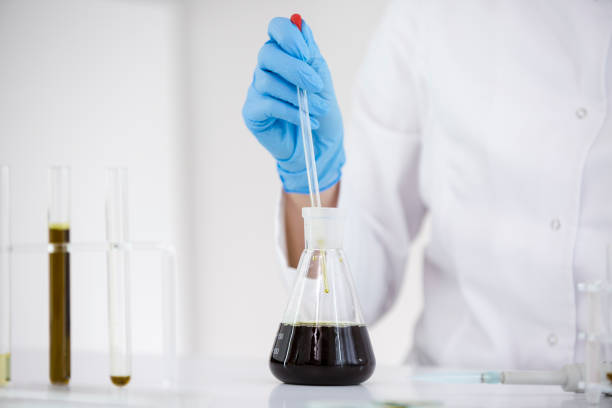
When selecting LABSA, consider:
- Active matter content
- Colour (lighter is usually better)
- Purity and consistency
Considerations:
- Is the product for premium or economy market?
- What level of cleaning performance is needed?
Final Thoughts: Why LABSA Is Still Widely Used
LABSA remains one of the most important raw materials in the cleaning industry because it offers a strong balance between performance, cost and availability.
From a formulation point of view, it is flexible and can be used in many types of products with proper handling and neutralization.
Understanding how LABSA works and how to use it correctly allows manufacturers and users to produce effective and reliable cleaning products.