
In many industries including food processing, water treatment, detergents and ceramics, phosphate-based chemicals play an important role. Two commonly used compounds are Tetrasodium Pyrophosphate (TSPP) and Sodium Tripolyphosphate (STPP).
Apparently, they may seem similar because both are sodium phosphates and both help in cleaning, dispersing and softening water. However, their chemical structure, performance and application are quite different.
Understanding these differences is important. Choosing the wrong one may affect product performance, stability or cost.
So, what exactly makes TSPP different from STPP?
What is TSPP?
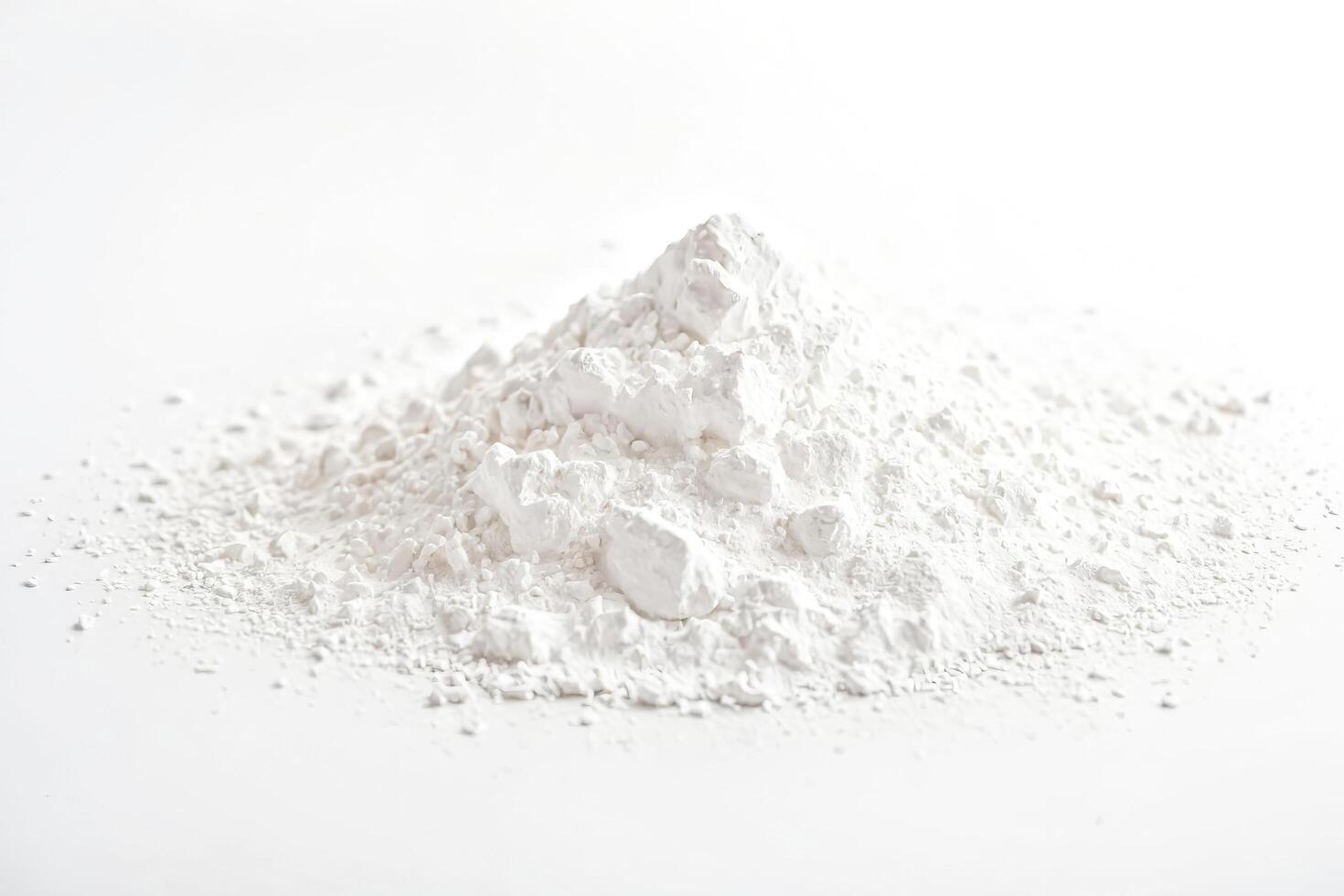
Tetrasodium Pyrophosphate (TSPP) is an inorganic compound with the chemical formula Na₄P₂O₇. It is formed by heating sodium phosphate, which creates a condensed phosphate structure known as a pyrophosphate.
Key Characteristics of TSPP
- White crystalline powder
- Highly soluble in water
- Strong alkaline nature (high pH)
- Good chelating and dispersing ability
Main Functions of TSPP
TSPP is known for its ability to:
- Bind metal ions (calcium and magnesium)
- Break down dirt and grease
- Improve dispersion of particles
- Stabilize emulsions
Common Applications of TSPP
- Food industry: Improves texture in seafood and meat processing
- Detergents: Helps remove stains and soften water
- Ceramics: Acts as a dispersant for clay
- Oil drilling: Used as a deflocculant
What is STPP?
Sodium Tripolyphosphate (STPP) has the chemical formula Na₅P₃O₁₀. It belongs to the polyphosphate group and has a longer phosphate chain compared to TSPP.
Key Characteristics of STPP
- White powder or granules
- Highly water soluble
- Moderate to strong alkalinity
- Excellent builder in detergents
Main Functions of STPP
STPP is widely used because it can:
- Strongly soften water by binding calcium and magnesium
- Improve cleaning efficiency of surfactants
- Prevent dirt from re-depositing
- Buffer pH and stabilize formulations
Common Applications of STPP
- Laundry detergents (major application)
- Dishwashing products
- Industrial cleaning
- Food processing (as moisture retention agent)
Key Chemical Differences between TSPP and STPP
1. Chemical Structure
- TSPP: Contains 2 phosphate units (pyrophosphate)
- STPP: Contains 3 phosphate units (tripolyphosphate)
This difference affects how they interact with metal ions and surfaces.
2. Molecular Weight and Complexity
- TSPP is simpler and smaller
- STPP has a longer chain, making it more effective in complex interactions
3. Alkalinity
- TSPP generally has higher alkalinity
- STPP provides better buffering capacity
Performance Comparison in Applications
1. Water Softening Ability
- STPP is stronger in binding calcium and magnesium
- TSPP is less efficient in hard water conditions
If your formulation depends heavily on water hardness control, STPP is usually the better choice.
2. Detergency and Cleaning Efficiency
- STPP enhances surfactant performance more effectively
- TSPP helps, but is more suitable for lighter cleaning or specialty use
This is why STPP is widely used in laundry powder formulations.
3. Dispersion and Deflocculation
- TSPP performs better in dispersing fine particles
- Common in ceramics and clay processing
If your goal is to keep particles separated and stable, TSPP is often preferred.
4. Food Industry Functionality
- TSPP: Stronger effect on protein modification (firmness and texture)
- STPP: Better for moisture retention and water binding
Advantages and Limitations
TSPP
Advantages:
- Strong dispersing ability
- Effective in ceramics and industrial processes
- Good for protein modification in food
Limitations:
- Weaker water softening compared to STPP
- Less commonly used as main detergent builder
STPP
Advantages:
- Excellent water softener
- Improves detergent efficiency significantly
- Widely accepted and proven performance
Limitations:
- Environmental concerns in some regions (phosphate control)
- May require formulation adjustment in low-phosphate systems
How to Choose Between TSPP and STPP?
When making decision, it is important to consider the following factors:
- Do you need strong water softening? STPP is more suitable
- Do you need particle dispersion or deflocculation? Choose TSPP
- Are you formulating a heavy-duty detergent? STPP is more suitable
- Are you working with ceramics or slurry systems? TSPP performs better
There is no “one is better than the other” answer. It depends on your application.
Can TSPP and STPP Be Used Together?
Yes, in some formulations, both are used together to balance performance:
- STPP provides strong cleaning and water softening
- TSPP improves dispersion and stability
This combination can create a more balanced and efficient system.
Conclusion: Understanding the Right Use Leads to Better Results
TSPP and STPP are both important phosphate chemicals, but they serve different roles.
- STPP is mainly a powerful detergent builder and water softener
- TSPP is more specialized in dispersion, emulsification and certain industrial or food applications
Choosing the right material is not only about cost, but also about performance, compatibility and final product quality.
If you understand their differences clearly, you can design better formulations and avoid common mistakes.