
Fragrance products such as perfumes and colognes are commonly labelled as EDP, EDT or EDC. Many users see these terms but do not fully understand what they mean. Are they just marketing terms or do they reflect real differences in formulation and performance?
In this article, we will explain clearly what each term means, how they are formulated and how they affect scent strength, longevity and usage. This guide is designed to help both beginners and industry users understand the technical side of fragrance concentration.
What Do EDP, EDT, and EDC Stand For?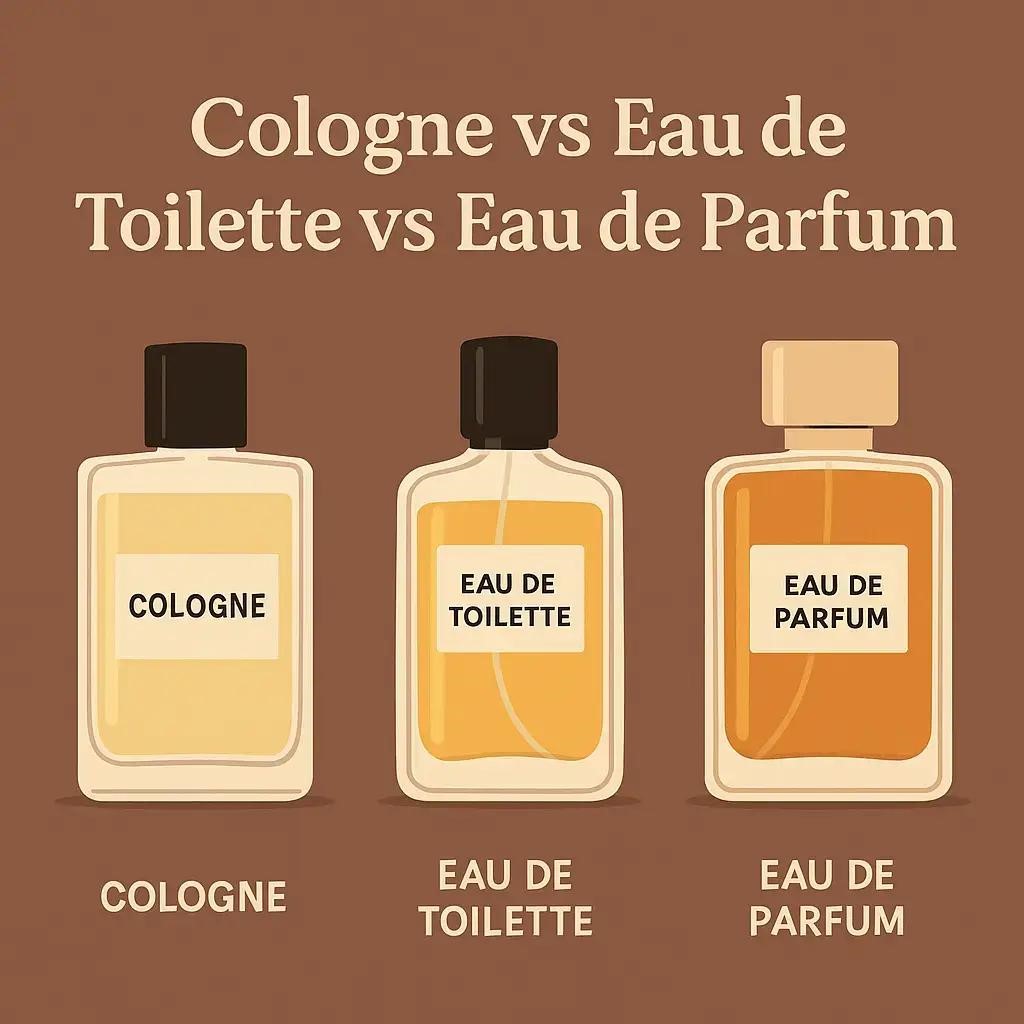 These terms refer to the concentration of fragrance oil in a solution, usually mixed with alcohol and sometimes water.
- EDP (Eau de Parfum) – Higher concentration of fragrance oil
- EDT (Eau de Toilette) – Medium concentration
- EDC (Eau de Cologne) – Lower concentration
The concentration level directly affects:
- How strong the scent smells
- How long it lasts on skin or surface
- How far the scent spreads (projection)
Understanding Fragrance Composition
Before comparing them, it is important to understand what a fragrance is made of.
A typical fragrance formula contains:
- Fragrance Oil (aroma compounds)
- Alcohol (usually ethanol)
- Water (optional, for dilution and balance)
The ratio between these components is what defines EDP, EDT or EDC.
Typical Concentration Ranges
Below is the general industry guideline:
Type | Fragrance Oil (%) | Alcohol & Water (%) |
EDP | 15 – 25% | 75 – 85% |
EDT | 5 – 15% | 85 – 95% |
EDC | 2 – 5% | 95 – 98% |
Important note:
These ranges may vary depending on formulation design and target performance.
Eau de Parfum (EDP): High Strength and Long Lasting
Key characteristics:
- Strong scent intensity
- Long lasting (typically 6-8 hours or more)
- Slower evaporation rate
Why it lasts longer:
Higher oil concentration means more fragrance molecules remain on the skin over time.
Formulation insight:
- Requires good solubility between oil and alcohol
- May need stabilizers to prevent cloudiness
- Higher cost due to more fragrance oil usage
Best use:
- Evening wear
- Premium products
- Situations where long-lasting scent is needed
Eau de Toilette (EDT): Balanced and Versatile
Key characteristics:
- Moderate scent strength
- Lasts around 3-5 hours
- Faster evaporation than EDP
Why it is popular:
EDT offers a balance between performance and cost, making it suitable for daily use.
Formulation insight:
- Easier to formulate compared to EDP
- Less risk of solubility issues
- Allows fresher and lighter fragrance profiles
Best use:
- Daily wear
- Office environments
- Warm climates
Eau de Cologne (EDC): Light and Refreshing
Key characteristics:
- Light scent intensity
- Short lasting (1-2 hours)
- High evaporation rate
Why it fades faster:
Lower oil content means fewer fragrance molecules stay on the skin.
Formulation insight:
- High alcohol content improves quick diffusion
- Often used with fresh, citrus-based scents
- Lower production cost
Best use:
- Quick refresh
- Hot weather
- After shower or casual use
How Concentration Affects Performance
Understanding the science behind concentration helps in formulation and product selection.
- Longevity
- Higher oil content = slower evaporation = longer lasting
- Projection (Scent Throw)
- EDC: strong initial burst but fades quickly
- EDP: more controlled and lasting projection
- Skin Interaction
- Oils interact with skin chemistry
- Higher concentration may feel heavier
Key Challenges in Formulation
- Solubility Issues
Higher oil content (EDP) may cause:
- Cloudiness
- Separation
Solution:
- Use proper solvent system
- Pre-test compatibility
- Stability Over Time
Fragrance may change due to:
- Oxidation
- Temperature exposure
Solution:
- Use antioxidants if needed
- Store properly
3. Performance Balance
Too much oil:
- May clog spray
- Can feel too strong
Too little oil:
- Weak scent
How to Choose the Right Type
Considerations:
- Do you want long lasting or light refreshing?
- Will the product be used in hot or cold climate?
- Is the target market premium or mass market?
Simple guide:
- Choose EDP for performance and premium feel
- Choose EDT for daily balance
- Choose EDC for freshness and affordability
Common Misconceptions
“Higher concentration always means better”
Not always. A well-balanced EDT can perform better than a poorly formulated EDP.
“EDC is low quality”
EDC is designed for a different purpose - light and refreshing, not long-lasting.
Summary: Understanding the Real Difference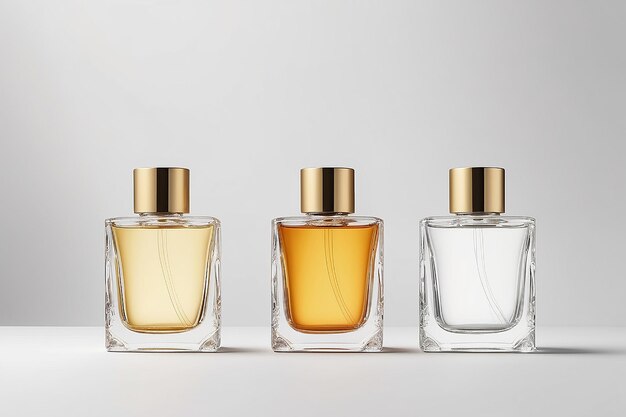
EDP, EDT and EDC are not just labels, they represent different formulation strategies. The right choice depends on the desired scent strength, target usage and environmental conditions.
From a chemical perspective, the key is finding the right balance between fragrance oil, solvent and stability to achieve the intended performance.
When properly formulated, each type, EDP, EDT and EDC can deliver excellent results for its intended use.