
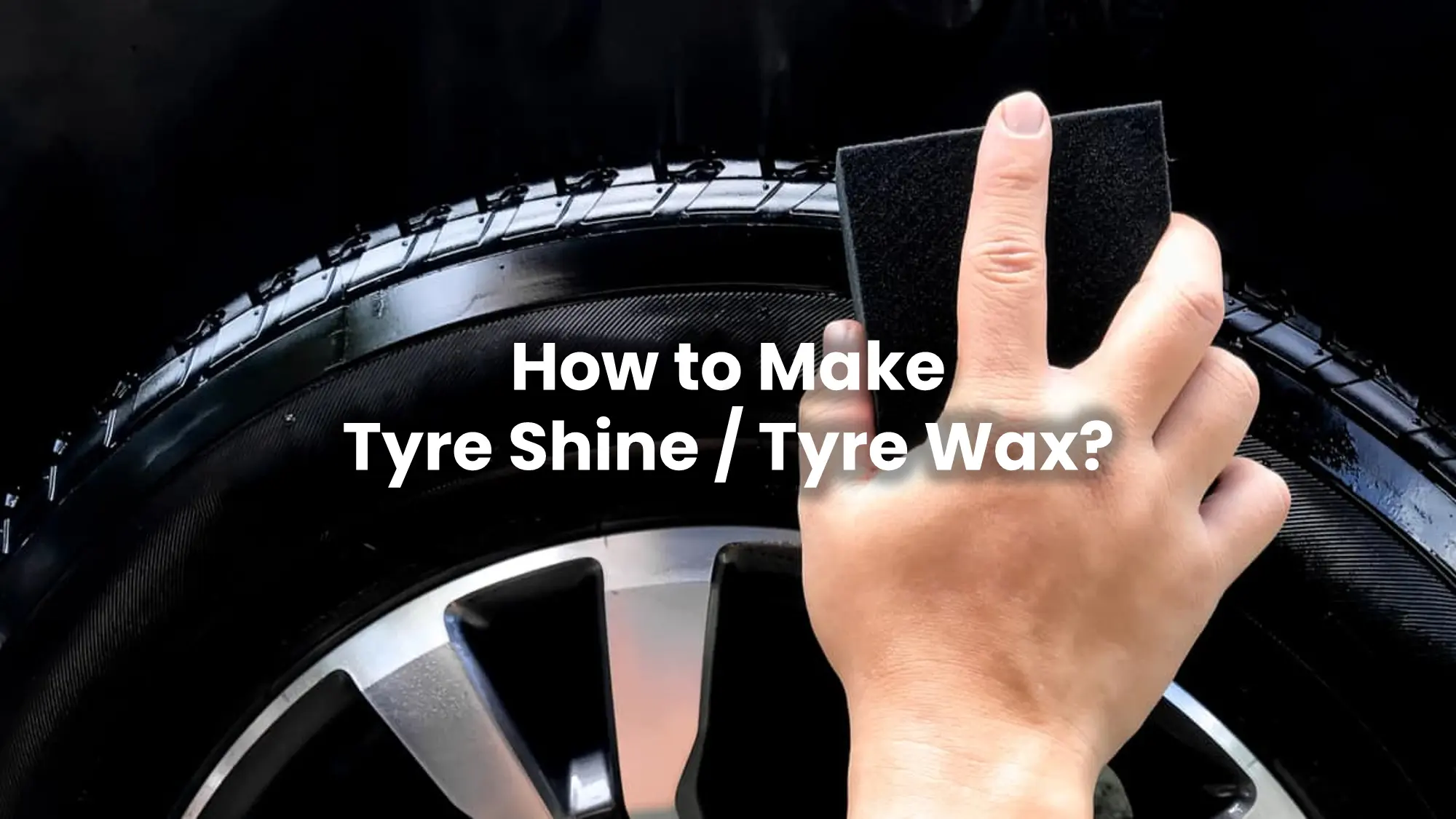
Tyre shine, also known as tyre wax, is a common automotive care product used to restore black colour of tyres and improve appearance. A good tyre shine product not only makes tyres look glossy and new, but also helps protect the rubber surface from drying, fading and cracking caused by sunlight and environmental exposure.
Many car owners want tyres to look deep black and glossy after washing. For manufacturers and traders in automotive chemicals, tyre shine is a high-demand product with repeat purchase potential.
This article explains the formulation, raw materials and step-by-step manufacturing process in clear and simple language.
Understanding What Tyre Shine Does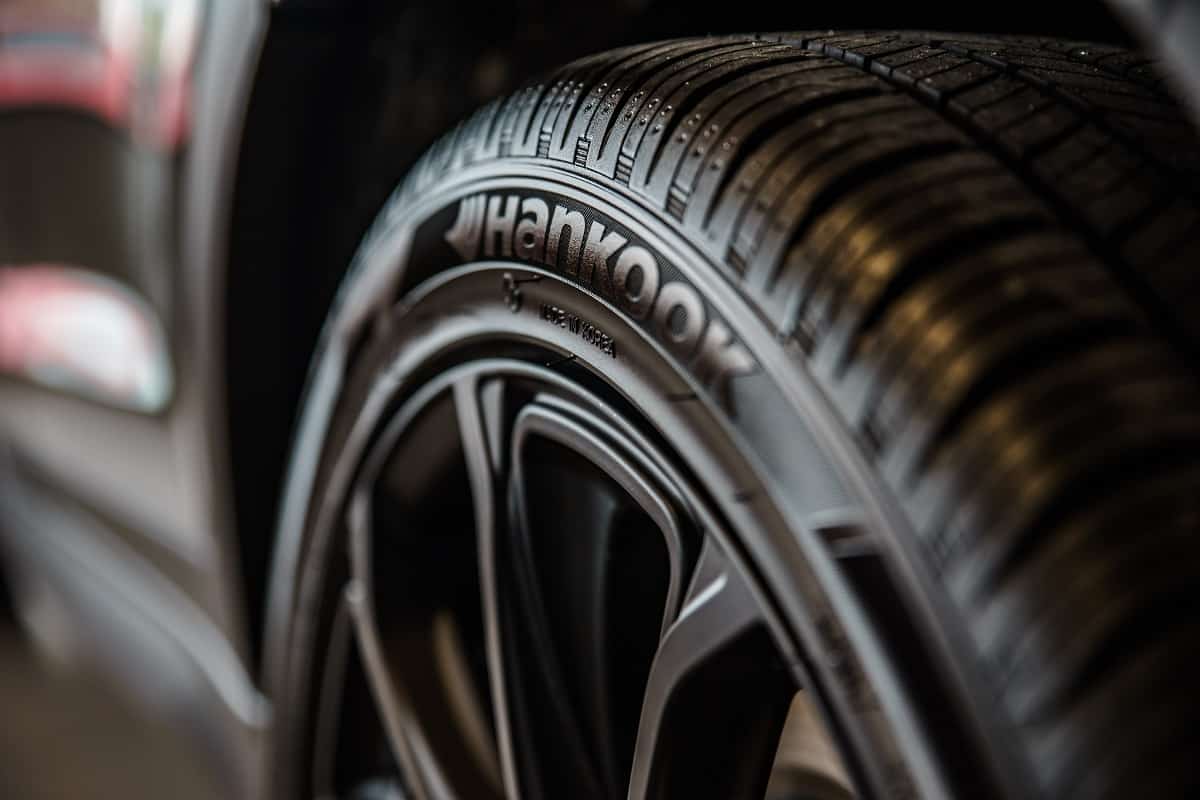
Before formulating, it is important to understand the function of tyre shine.
Tyres are constantly exposed to:
- UV radiation from sunlight
- Dirt and road contamination
- Heat from friction while driving
- Rain and washing chemicals
Over time, these factors cause tyres to look dull, grey and dry. Tyre shine products are designed to restore appearance and provide a protective film.
A good tyre shine product should:
- Restore deep black colour
- Provide gloss (matte to high shine)
- Protect rubber from drying and cracking
- Resist water wash-off
- Dry without sticky feeling
- Be safe on rubber surface
Why Silicone Oil Is Used in Tyre Shine
Silicone oil is the key active ingredient responsible for the shine effect.
Silicone oil provides several benefits:
- High gloss appearance
- Excellent water repellence
- Smooth spreading on rubber surfaces
- Resistance to heat and UV exposure
- Long-lasting protective film
When applied to tyres, silicone oil forms a thin layer that enhances the natural black colour of rubber and creates a glossy finish.
However, silicone oil does not mix with water naturally, which is why an emulsifier is needed.
The Role of Silicone Emulsifier
Silicone oil is hydrophobic, meaning it does not dissolve in water. If silicone oil is added directly into water, it will separate quickly.
A silicone emulsifier is used to solve this problem.
The emulsifier helps:
- Break silicone oil into very small droplets
- Disperse the droplets evenly in water
- Maintain stable suspension over time
- Improve spreading on tyre surfaces
This process forms an oil-in-water emulsion, where silicone oil droplets are evenly distributed inside the water phase.
Basic Tyre Shine Formulation
Below is a simple and effective formulation using silicone oil, distilled water and silicone emulsifier.
Ingredient | Function | Percentage (%) |
Distilled Water | Base solvent | 60 - 75% |
Silicone Oil | Gloss and protection | 25 - 40% |
Silicone Emulsifier | Gloss & protection | 1 - 3% |
Preservative (Optional) | Anti Bacteria | 0.1 - 0.5% |
Total = 100%
This formulation produces a tyre shine that gives a glossy finish and good spreading on rubber surfaces.
The exact ratio may be adjusted depending on the desired shine level.
Step-by-Step Process To Make Tyre Shine
Step 1: Prepare Water Phase
Add distilled water into mixing tank or container.
Start slow stirring using a mechanical stirrer or mixing blade.
Note: Distilled water is recommended because minerals in tap water may reduce emulsion stability.
Step 2: Add Silicone Emulsifier
Slowly add the silicone emulsifier into the water while stirring.
Continue mixing until the emulsifier is fully dissolved.
This step is important because the emulsifier must be evenly distributed before silicone oil is introduced. Proper dispersion helps the emulsifier capture silicone droplets during emulsification.
Step 3: Add Silicone Oil
Add silicone oil gradually into the mixture while maintaining continuous stirring.
The silicone emulsifier will start to break the oil into very fine droplets and disperse them in the water phase.
Mix for approximately 20 to 30 minutes until the mixture becomes uniform and milky in appearance.
This milky appearance indicates that silicone oil has formed a stable emulsion.
Step 4: Continue Mixing Until Stable
After all silicone oil is added, continue mixing to ensure the droplet size becomes uniform.
Stable emulsions usually appear:
- Smooth and milky
- Without visible oil layer
- Without floating droplets
Proper mixing improves stability and ensures even performance during application.
Adjusting Shine Level in the Formula
The gloss level of tyre shine depends mainly on the silicone oil concentration.
General guideline:
- 15% silicone oil – Satin or natural look
- 20% silicone oil – Medium shine
- 25% silicone oil or higher – High gloss finish
Higher silicone levels increase shine and water resistance but may also make the surface slightly more slippery if applied excessively.
Manufacturers usually adjust silicone percentage based on market preference.
Common Problems During Tyre Shine Production
Even simple formulations may face stability issues if mixing conditions are not correct.
1. Oil Separation
If silicone oil separates from the mixture, possible reasons include:
- Insufficient emulsifier
- Poor mixing
- Incorrect mixing order
Ensure emulsifier is properly dissolved before adding silicone oil.
2. Product Too Thin
Tyre shine made with water-based systems is usually low viscosity. If thicker consistency is desired, thickening agents may be added in advanced formulations.
However, for simple systems, low viscosity is normal.
3. Uneven Shine on Tyre
This may occur when:
- Silicone droplets are too large
- Emulsion is not stable
- Mixing time is insufficient
Improving mixing speed and duration can help produce smaller droplets and better spreading.
How Tyre Shine Is Applied
Most tyre shine products are applied using:
- Spray bottle
- Sponge applicator
- Microfiber cloth
After applying to the tyre surface, the product should be spread evenly and allowed to dry.
Once the water evaporates, silicone oil remains on the surface and forms a glossy protective layer.
Conclusion
Making your own tyre shine is actually much simpler than many people expect. With the right combination of silicone oil, distilled water and a suitable silicone emulsifier, it is possible to create an effective tyre shine that restores the deep black colour of tyres and provides a glossy protective finish. By understanding the role of each ingredient and following the correct mixing process, manufacturers and small formulators can develop a stable and reliable product.