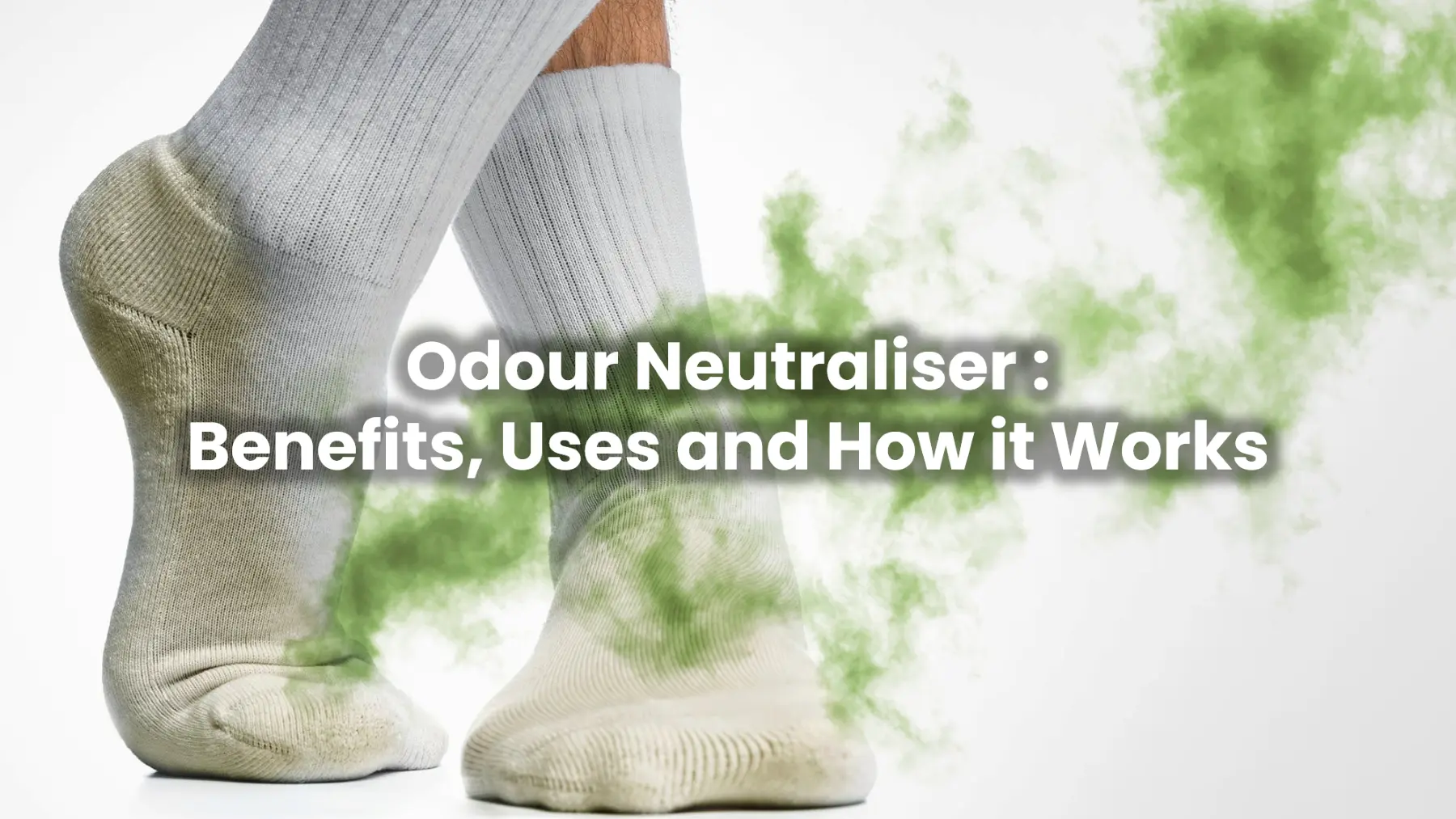
Unpleasant odours are common in many areas, from laundry and household cleaning to pet care, waste treatment and industrial processes. These odours can come from sweat, food waste, animals, bacteria, wastewater, organic materials and other sources.
A odour neutraliser is a chemical ingredient or formulation designed to help reduce or control unwanted odours. Unlike a fragrance, which mainly adds a pleasant smell, an odour neutraliser is intended to address the unwanted odour itself.
This makes odour neutralisers useful in many products, including fabric refreshers, air fresheners, surface cleaners, laundry products and industrial odour-control solutions.
What Is an Odour Neutraliser?
An odour neutraliser is a substance used to reduce the intensity or perception of unpleasant smells.
Odours are produced when volatile compounds are released into the air and reach our nose. Different sources can produce different odour compounds. For example, body odour may contain fatty acids and other compounds, while waste and animal waste can produce ammonia, sulfur-containing compounds and other strong-smelling substances.
Depending on its chemistry, an odour neutraliser may work by:
- Reacting with odour-causing compounds
- Binding or trapping odour molecules
- Absorbing certain compounds
- Reducing the availability of odour compounds in the air
- Working together with fragrance to improve the final odour profile
The exact mechanism depends on the type of odour neutraliser being used.
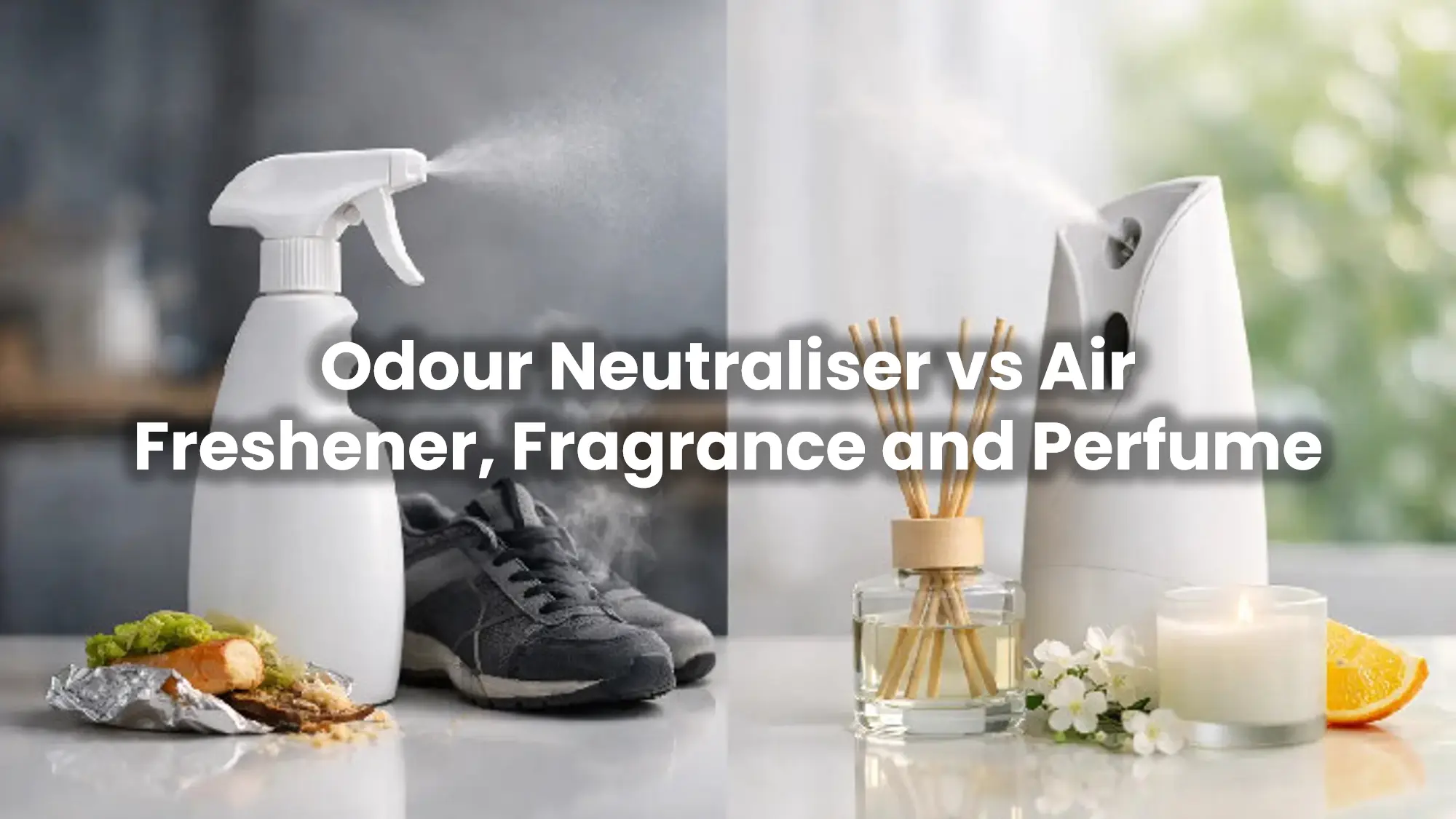
Odour Neutraliser vs Fragrance
An odour neutraliser and a fragrance serve different purposes.
A fragrance is mainly used to provide a pleasant scent, while an odour neutraliser is designed to help control an unpleasant smell.
For example, spraying a strong floral fragrance onto a fabric with sweat odour may simply produce:
Sweat odour + floral fragrance = mixed odour
The original odour may still be present.
An odour neutraliser can be used to help control the unwanted smell. In many formulations, both ingredients are used together:
Odour neutraliser + fragrance = odour control + pleasant scent
This combination is especially useful for fabric refreshers, laundry products, room sprays and pet odour products.
Key Benefits of Odour Neutralisers

1. Helps Control Different Types of Malodour
A suitable odour neutraliser can be designed to work against a range of unpleasant smells.
Potential target odours include:
- Body and sweat odour
- Pet odour
- Food odour
- Waste odour
- Ammonia-related odour
- Sulfur-related odour
- Organic decomposition odour
The actual performance depends on the chemistry of the neutraliser and the type of odour being treated.
2. Suitable for Water-Based Formulations
Many odour-control products are water-based. Water-based formulations are convenient for spray, wipe and cleaning applications.
A water-compatible odour neutraliser can be used in products such as:
- Fabric refreshers
- Upholstery cleaners
- Surface cleaners
- Bathroom cleaners
- Air-care products
- Pet odour sprays
- Industrial cleaning products
The compatibility of the neutraliser with other ingredients should always be checked during formulation.
3. Can Be Combined with Fragrance
Odour neutralisers can be formulated together with fragrances to provide both odour control and a pleasant final scent.
This is useful when developing products where simply masking the odour is not enough.
4. Low Residue
For products applied to fabric, upholstery and other surfaces, leaving little or no visible residue is an important advantage.
A properly formulated odour-control spray can be designed for applications such as:
- Clothing
- Curtains
- Sofas
- Carpets
- Car interiors
- Mattresses
The final formulation should still be tested on the intended material to check for staining, colour changes or other compatibility issues.
5. Broad pH Stability
Some odour neutralisers have good stability over a wide pH range. For example, certain products can remain stable from approximately pH 2 to pH 11.
This gives formulators greater flexibility when developing acidic, neutral or alkaline products.
The actual recommended pH range should always be confirmed from the technical information of the selected product.
6. Hard-Water Stability
Hard water contains calcium and magnesium minerals that can affect some formulation ingredients.
An odour neutraliser with good hard-water stability can provide more consistent performance when used with water containing different mineral levels.
7. Low Foaming
Low foaming can be useful for applications where excessive foam is not desirable, such as:
- Industrial cleaners
- Spray cleaners
- Surface treatment products
- Equipment cleaning
- Certain waste-treatment applications
8. Bio-Based Options
Some odour neutralisers are available using bio-based raw materials or technologies.
However, bio-based does not automatically mean biodegradable or suitable for every application. These properties should be evaluated separately when selecting a raw material.
How Does an Odour Neutraliser Work?
The exact mechanism depends on the chemical technology used.
Chemical Interaction
Some neutralisers react with odour-causing compounds and convert them into compounds with lower odour intensity.
Binding
Some technologies bind or associate with odour molecules, reducing the amount available to enter the air.
Absorption
Certain systems can help absorb odour compounds into a liquid or other medium.
Odour Modification
Some formulations can change the overall odour profile by reducing the impact of unwanted smells and combining this effect with a suitable fragrance.
The important point is that odour neutralisation is different from simply adding a stronger fragrance.
Where Are Odour Neutralisers Used?
Fabric and Upholstery
Fabric can trap odours inside its fibres. This is why clothing, carpets, curtains and upholstery may continue to smell even after the surface looks clean.
Odour neutralisers can be included in fabric refreshers and upholstery products to help control unwanted smells.
Laundry Products
Laundry is an important application for odour control.
Some fabrics, particularly sportswear and synthetic materials, can retain body odour even after washing.
Odour neutralisers may therefore be used in:
- Laundry detergents
- Fabric softeners
- Laundry additives
- Fabric refreshers
- Sportswear cleaners
For example, a sports shirt may appear clean but develop a strong smell again when it becomes warm or wet. Odour-control technology can help address this type of problem.
Air Fresheners
Traditional air fresheners mainly provide fragrance. Odour-neutralising air-care products can combine fragrance with an odour-control ingredient.
This can be useful in:
- Homes
- Offices
- Cars
- Restaurants
- Hotels
- Public areas
The aim is to reduce unwanted odours rather than simply cover them with a stronger scent.
Bathroom and Surface Cleaners
Bathrooms can contain odours from wastewater, organic residues and other sources.
Odour neutralisers can be incorporated into bathroom and surface cleaning products to provide additional odour control during or after cleaning.
Pet and Animal Care
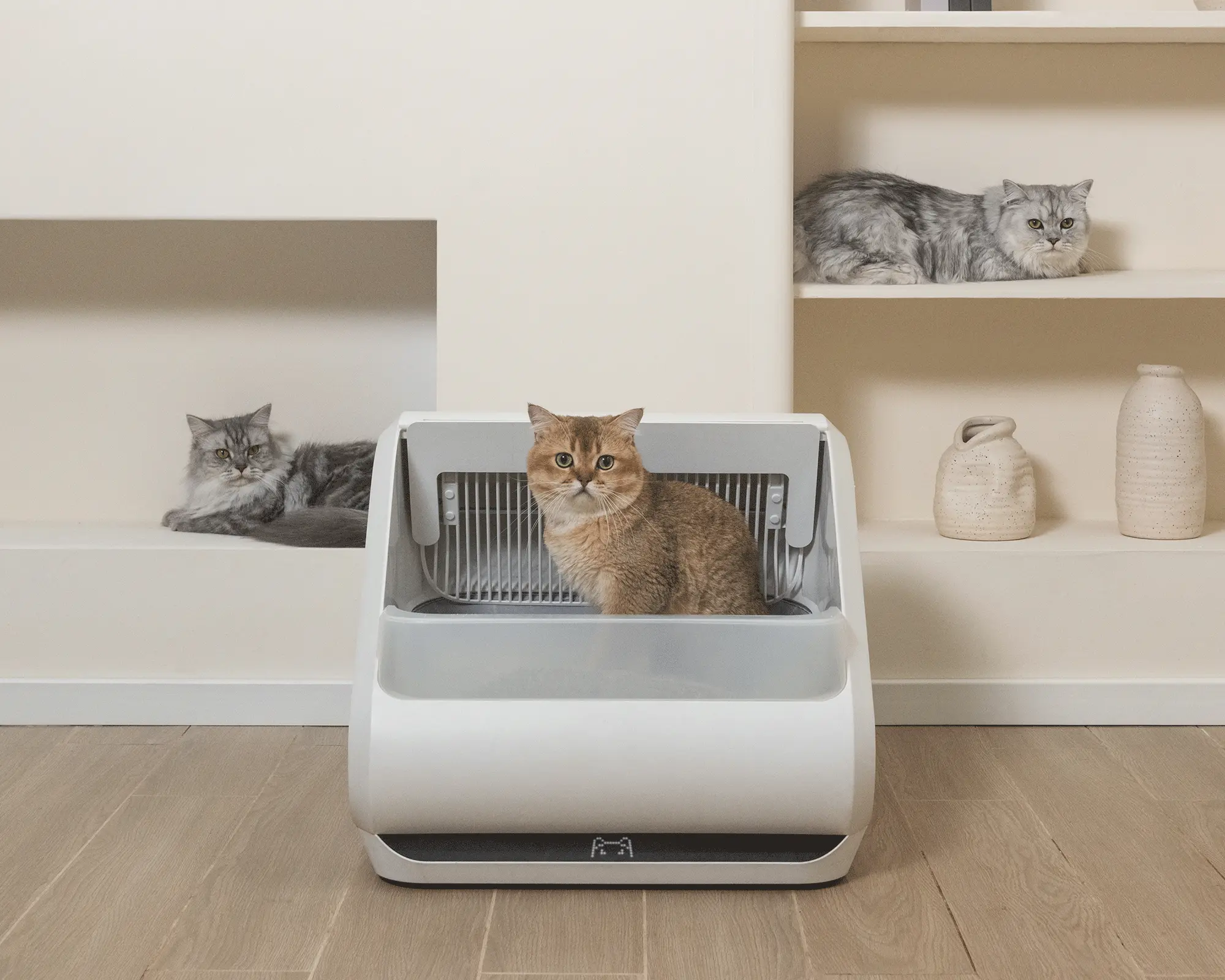
Animals and animal waste can produce strong odours from urine, faeces, saliva and other sources.
Odour-control products can be developed for:
- Pet bedding
- Kennels
- Cages
- Floors
- Animal housing areas
- Pet-care surfaces
The formulation must be suitable for the intended surface and application.
Waste Treatment and Landfill
Waste facilities can produce strong odours as organic materials break down.
Odour-control solutions can be used around:
- Waste containers
- Waste collection areas
- Transfer stations
- Composting areas
- Landfill facilities
- Organic waste treatment
Odour neutralisation is usually most effective when combined with proper waste handling, cleaning, ventilation and containment.
Agriculture
Agricultural operations can produce odours from livestock, manure and organic waste.
Odour neutralisers may be used in areas such as:
- Livestock facilities
- Poultry areas
- Animal waste storage
- Agricultural waste
- Composting areas
The correct product and application method depend on the source and concentration of the odour.
Odour Neutralisation vs Odour Masking
These two concepts should not be confused.
Odour masking mainly involves adding another smell to reduce the perception of an unwanted odour.
Odour neutralisation aims to reduce or control the unwanted odour through a specific chemical or physical mechanism.
A product can also use both approaches:
Neutralisation + fragrance = odour control + pleasant scent
This is often a practical approach for consumer products.
Does an Odour Neutraliser Replace Cleaning?
No. An odour neutraliser should not normally be considered a replacement for cleaning.
If the source of the odour remains, the smell can return.
For example, if food waste is trapped inside a carpet, spraying an odour neutraliser may reduce the smell, but the food residue is still present.
A better approach is:
Remove the source → Clean the surface → Apply odour-control treatment if required
This is particularly important for industrial, commercial and hygiene-related applications.
What Should You Consider When Choosing an Odour Neutraliser?

Before selecting an odour neutraliser, consider:
1. Type of Odour
Identify whether the target is body odour, pet odour, food odour, waste odour, ammonia, sulfur compounds or another type of malodour.
2. Application
Determine whether it will be used in a fabric spray, cleaner, air freshener, laundry product or industrial treatment.
3. Surface
Consider whether the product will contact fabric, plastic, metal, concrete, carpet or another material.
4. pH
Check whether the neutraliser is stable within the required pH range.
5. Fragrance Compatibility
If fragrance is included, test whether the odour neutraliser affects the fragrance, clarity or stability of the formulation.
6. Residue
For fabric and surface applications, check whether the finished product leaves marks, stickiness or other unwanted residue.
7. Foaming
Low foaming may be preferred for spray and industrial applications.
8. Storage Stability
Test the finished formulation after storage to ensure that there is no separation, precipitation, colour change or loss of odour-control performance.
Conclusion
Odour neutralisers are useful chemical ingredients for controlling unwanted smells across many industries. They are different from fragrances because their main purpose is to reduce or control malodour rather than simply add a pleasant scent.
They can be used in fabric refreshers, laundry products, air fresheners, bathroom cleaners, pet-care products, waste treatment and agricultural applications.
For formulators, important properties may include water compatibility, low foaming, hard-water stability, broad pH tolerance, low residue and compatibility with fragrance.
Most importantly, successful odour control starts with understanding the source and type of odour. The right odour neutraliser, combined with proper cleaning and a suitable formulation, can provide a more effective solution than simply covering an unpleasant smell with fragrance.