Activated carbon is one of the most widely used purification materials in the chemical industry. It plays an important role in removing impurities, odours, colour and unwanted substances from liquids and gases. Due to its high efficiency and flexibility, activated carbon is used across many industries, from water treatment and chemical processing to detergent, food, pharmaceutical and air purification applications.
This article explains activated carbon in a clear and structured way, suitable for readers with different backgrounds, including those who are new to chemical raw materials.
What Is Activated Carbon?
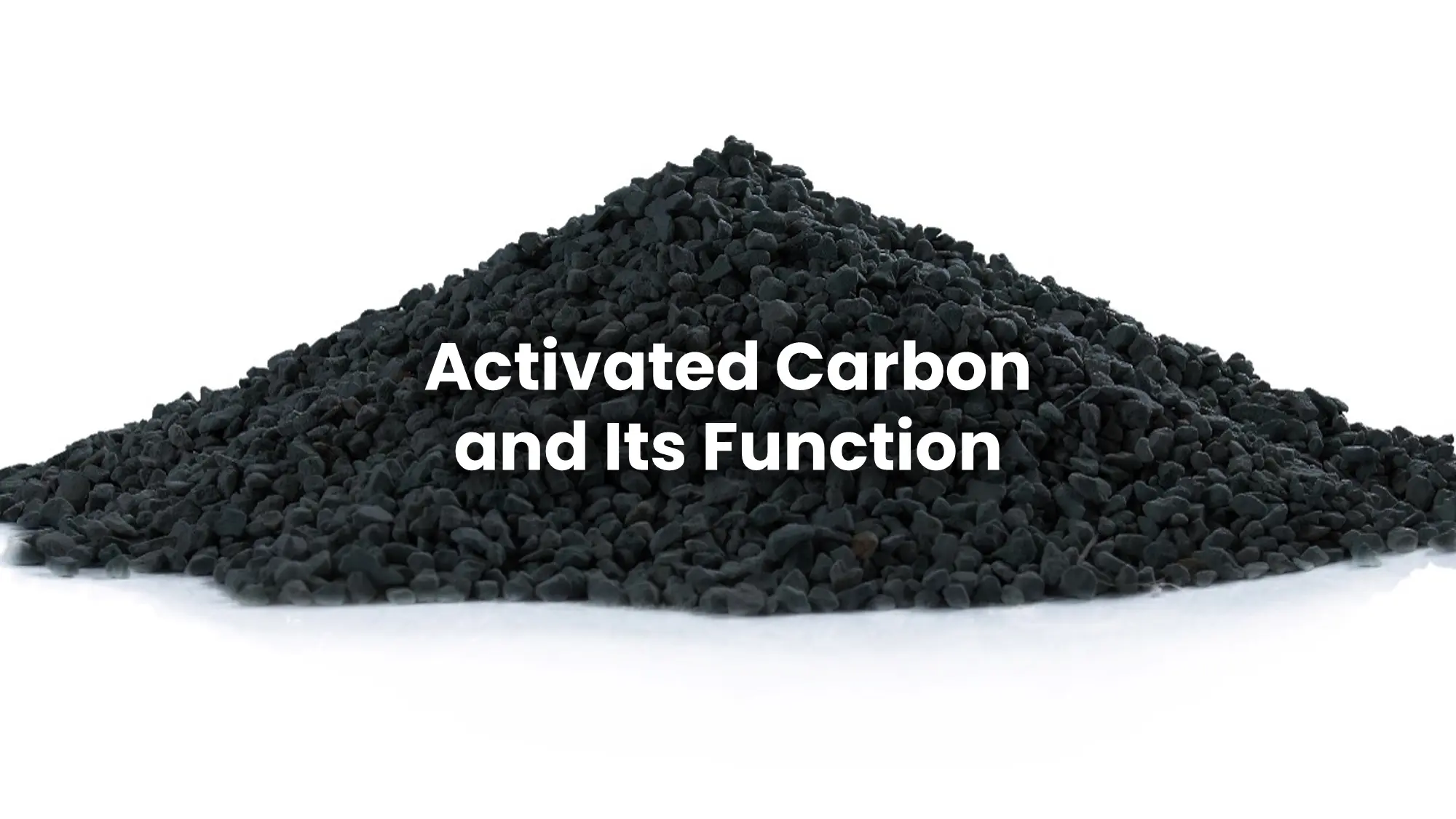
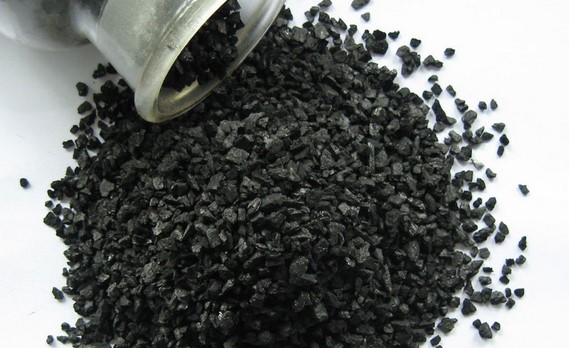
Activated carbon is a carbon-based material that has been specially processed to create a very large number of tiny pores. These pores give activated carbon a huge internal surface area, allowing it to trap impurities effectively.
Unlike ordinary charcoal, activated carbon is treated through activation processes that greatly improve its adsorption capacity. This makes it suitable for industrial and commercial purification purposes.
In simple terms, activated carbon works like a molecular trap that captures unwanted substances without dissolving into the product.
How Activated Carbon Works
The main working mechanism of activated carbon is called adsorption.
Adsorption vs Absorption
- Adsorption: Impurities stick to the surface of activated carbon
- Absorption: Impurities dissolve into a liquid or solid
Activated carbon does not absorb impurities. Instead, contaminants are held on the surface and inside the pores of the carbon through physical and chemical attraction.
The effectiveness depends on:
- Surface area
- Pore size distribution
- Contact time
- Type of impurity
This is why different applications may require different grades of activated carbon.
Main Functions of Activated Carbon
Removal of Odour
Activated carbon is highly effective at removing unpleasant smells by adsorbing odour-causing molecules.
Common examples:
- Wastewater treatment
- Detergent and cleaning production
- Air purification systems
This function is especially important in industries where odour control affects product quality and user acceptance.
Decolorization of Liquids
Activated carbon removes unwanted colour from liquids by trapping pigments and organic compounds.
Used in:
- Chemical processing
- Food and beverage production
- Detergent raw material purification
Decolorization helps improve product appearance and consistency.
Removal of Organic Impurities
Activated carbon is effective in removing:
- Chlorine
- Solvents
- Volatile organic compounds (VOCs)
- Organic residues
This makes it a key material in water treatment and chemical purification processes.
Improvement of Water Quality
In water treatment, activated carbon improves:
- Taste
- Odour
- Clarity
It is commonly used in:
- Drinking water treatment
- Industrial process water
- Pre-treatment and polishing steps
Purification and Final Polishing
Activated carbon is often used as a final purification step to improve product quality before packaging or further processing.
This helps ensure:
- Better stability
- Improved appearance
- Reduced unwanted residues
Industries That Commonly Use Activated Carbon
Activated carbon is used in many industries, including:
- Water and wastewater treatment
- Chemical manufacturing
- Detergent and cleaning products
- Food and beverage processing
- Pharmaceutical production
- Air and gas purification
Its wide usage shows its reliability and versatility.
Activated Carbon for Normal Users
Activated carbon is not only for factories. It is also used in daily life.
Examples:
- Home water filter
- Refrigerator odour absorber
- Air purifier
- Fish tank filtration
- Shoe deodorizer
- Facial mask (cosmetic use)
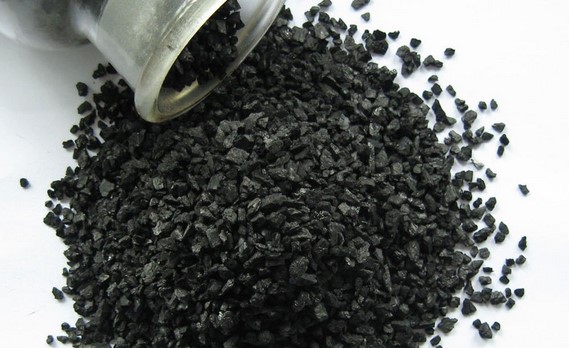
Note: When you see black powder in water filter cartridge, that is activated carbon. It works quietly in the background to improve water quality and remove smell.
Can Activated Carbon Be Used to Remove Formaldehyde?
Formaldehyde is a colourless gas with a strong smell. It is commonly found in:
- Plywood and particle board
- Furniture adhesives
- Resin production
- Textile finishing
- Paint and coating materials
Formaldehyde can cause eye, nose and throat irritation, it may pose health risks under long-term exposure, many industries and building owners are looking for solutions to reduce its concentration.
So, can activated carbon remove formaldehyde?
Yes, activated carbon can reduce formaldehyde concentration, but the effectiveness depends on several factors.
Activated carbon removes formaldehyde through adsorption. The gas molecules attach to the large internal surface area of the carbon. However, formaldehyde is a small, highly volatile and polar molecule. This makes it more difficult to capture compared to heavier organic vapours.
As a result:
- Activated carbon can lower formaldehyde levels.
- It may not completely eliminate it.
- Its capacity may be limited if concentration is high.
Performance depends on:
- Contact time: Slower airflow improves adsorption efficiency.
- Humidity: Very high humidity can reduce performance because water competes for adsorption sites.
- Temperature: Higher temperatures reduce adsorption strength.
- Formaldehyde concentration: High concentration requires larger carbon bed and more frequent replacement.
It is important to understand that activated carbon is mainly a concentration reduction solution, not always a complete removal solution, especially under high emission conditions. For higher efficiency systems, it may be combined with ventilation or catalytic treatment.
Handling and Storage Considerations
Activated carbon is generally safe to handle, but basic precautions are required.
Handling
- Avoid inhaling fine dust
- Use gloves and basic protective equipment
- Keep away from strong oxidizing chemicals
Storage
- Store in a cool, dry place
- Keep container tightly closed
- Protect from moisture and strong odours
Improper storage can reduce performance over time.
Conclusion
Activated carbon is a powerful and flexible purification material with one main function, adsorption of unwanted substances. Through odour removal, decolorization, impurity control and water quality improvement, it plays a critical role in many industrial processes.
By understanding how activated carbon works, its functions and how to use it correctly, users from different industries can achieve better product quality, improved efficiency and more consistent results.