
EDTA is one of the most widely used chelating agents in the chemical industry. It is found in water treatment plants, detergent factories, cosmetic production, agriculture, textile processing and even food applications.
What exactly is EDTA? Why is it used in so many industries? When should you use it and when is it not necessary?
This article explains EDTA in simple and clear language, so readers from different industries can understand how EDTA works and how to apply it correctly.
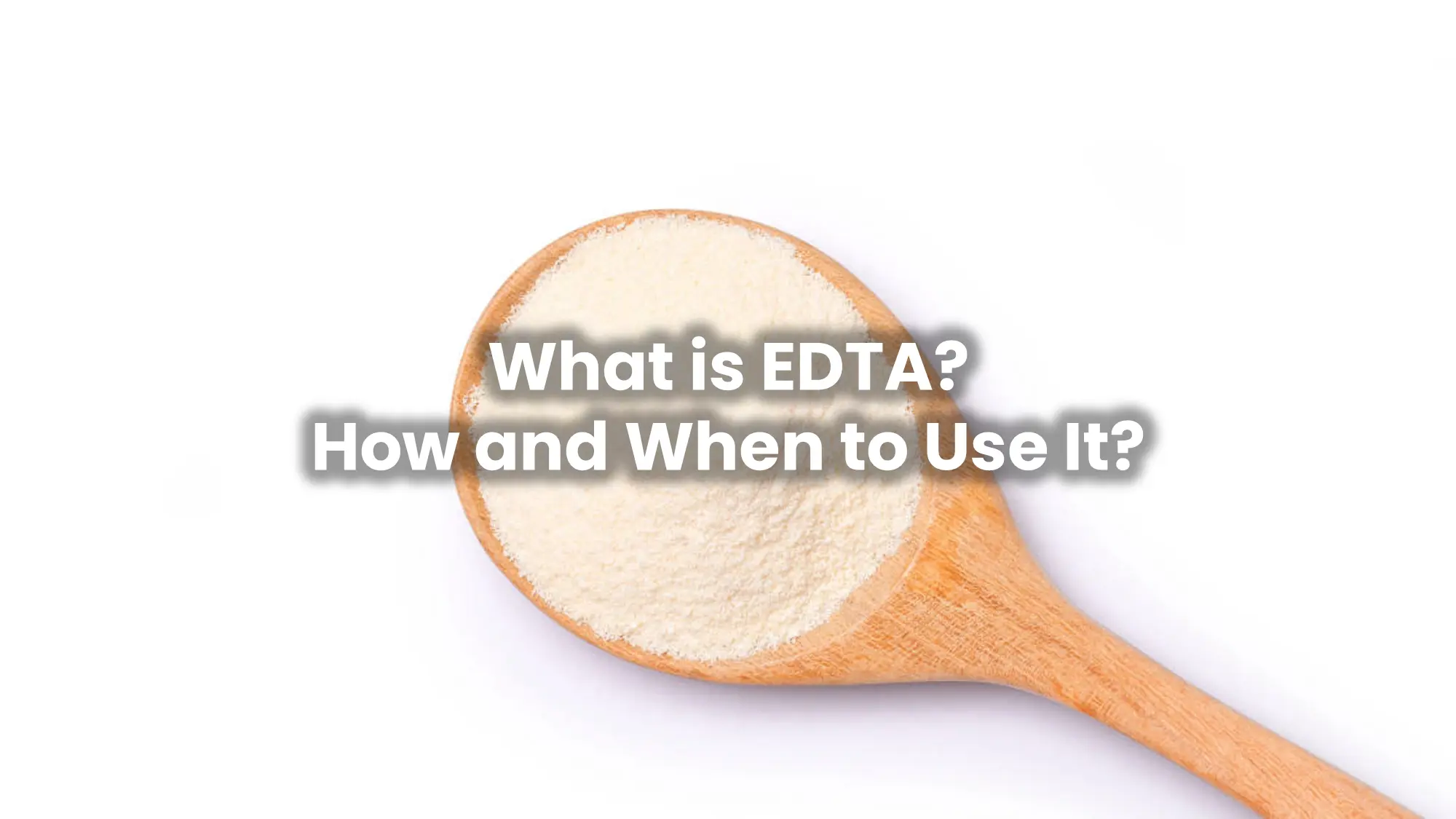
What Is EDTA?
EDTA stands for Ethylenediaminetetraacetic Acid. It is a chemical ingredient that helps control metal ions.
Metal ions such as:
- Calcium
- Magnesium
- Iron
- Copper
are naturally present in water and raw materials. These metals may not look harmful, but they can cause problems in many products.
EDTA works by binding to these metal ions and making them inactive. This process is called chelation.
Why Should We Use EDTA?
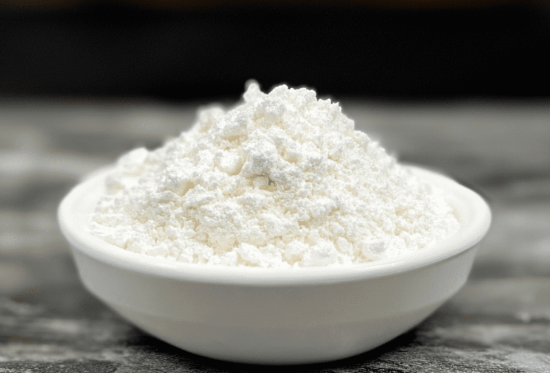
You may not see metal contamination, but it affects product performance.
For example:
- Shampoo may not foam well.
- Detergent may not clean properly.
- Cream may change colour over time.
- Liquid soap may become cloudy.
- Product shelf life may shorten.
In many cases, the problem is caused by metal ions reacting with other ingredients. EDTA helps prevent these problems.
How EDTA Benefits Household and Consumer Products
1. In Shampoo and Body Wash
Hard water contains calcium and magnesium. These minerals can:
- Reduce foam
- Leave residue on hair
- Make hair feel rough
EDTA binds these minerals so the shampoo can:
- Foam better
- Rinse more easily
- Feel smoother on hair
Typical usage: 0.05% – 0.1%
Without EDTA, product performance in hard water areas may drop significantly.
2. In Liquid Detergent and Dishwashing Liquid
In laundry and dishwashing products, EDTA:
- Improves cleaning efficiency
- Prevents white marks on clothes
- Reduces soap scum
- Enhances surfactant performance
If you live in an area with hard water and notice poor cleaning results, the presence of EDTA in detergent helps solve this issue.
3. In Skin Care and Cream Products
In cosmetic products, EDTA:
- Prevents colour change
- Improves stability
- Extends shelf life
- Supports preservative effectiveness
Metal ions can reduce preservative efficiency. EDTA helps preservatives work better by removing metal interference.
It is not a preservative itself, but it supports the system.
4. In Household Cleaning Products
In multipurpose cleaners and bathroom cleaners, EDTA:
- Prevents scale formation
- Improves stain removal
- Enhances clarity of liquid product
For example, if the multipurpose cleaner becomes cloudy after some time, metal contamination may be one reason.
Is EDTA Safe?
At normal usage levels in consumer products, EDTA is considered safe.
It is:
- Used at very low concentration
- Non-volatile
- Stable
- Widely approved in many industries
However, similar with all chemicals:
- Do not consume directly.
- Follow product usage instructions.
- Avoid unnecessary overexposure.
In cosmetic and detergent formulations, the amount used is small and controlled.
When Should Manufacturers Include EDTA?
If you are a product manufacturer, consider adding EDTA when:
- Water hardness is high.
- Product must remain stable for long shelf life.
- Formula contains surfactants.
- Metal contamination is possible.
- You want consistent performance in different regions.
EDTA can helps improve reliability.
Limitations and Considerations
Although EDTA is widely used, there are some considerations:
- It does not remove bacteria.
- It is not a preservative.
- Overdosing is unnecessary and increases cost.
- Environmental regulations may limit discharge in some regions.
Although EDTA is widely used in detergents, cosmetics and cleaning products, it should not be added into any formula without proper evaluation and testing. Different products have different pH levels, ingredients and stability requirements. Simply adding EDTA does not always improve performance and may increase cost unnecessarily.
How Much EDTA Is Usually Used?
For most consumer products:
- 0.05% - 0.2% is sufficient.
Higher dosage does not always mean better performance. It only increases cost.
The goal is to use the minimum effective amount.
Common Forms Used in Consumer Products
The most common types are:
- Disodium EDTA (for cosmetics and personal care)
- Tetrasodium EDTA (for detergents and cleaners)
Selection depends on product pH and application.
Why EDTA Is Still Widely Used Today
Even though new chelating agents are available, EDTA remains popular because:
- It is effective.
- It is stable.
- It is easy to formulate.
- It works across different pH levels.
- It improves product consistency.
Conclusion
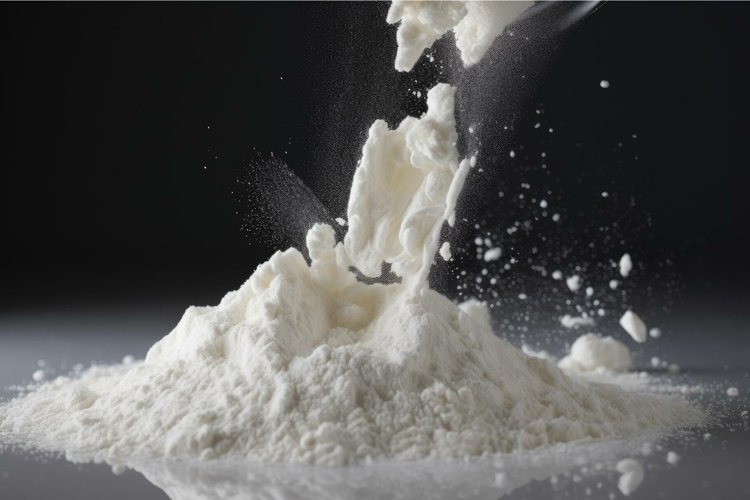
EDTA is a chelating agent that binds unwanted metal ions and prevents them from affecting product performance.
It is widely used in detergent, cosmetics, water treatment, textile, agriculture and food processing. Its main purpose is to control metal ions to improve product performance and stability.
It works behind the scenes and is used in very small amounts, but it plays a very important role in maintaining product quality.