


Sodium sulphate is an important inorganic chemical used in many industries around the world. It is widely known for its role in detergents, textiles, glass manufacturing and chemical processing. As it is stable, easy to handle and cost-effective, sodium sulphate is often used as a functional raw material rather than an active ingredient.
This article explains what sodium sulphate is, how it is produced, why it is used and how it functions in different industrial applications.
What Is Sodium Sulphate
Sodium sulphate is an inorganic salt made of sodium, sulphur and oxygen. It appears as a white, odourless crystalline powder or granule. It does not burn and does not react easily with other substances under normal conditions.
Basic chemical information:
- Chemical name: Sodium sulphate
- Appearance: White powder or crystal
- Odour: Odourless
- Solubility: Soluble in water
Sodium sulphate exists in two main forms: anhydrous sodium sulphate (without water) and hydrated sodium sulphate (with water molecules).
Types of Sodium Sulphate
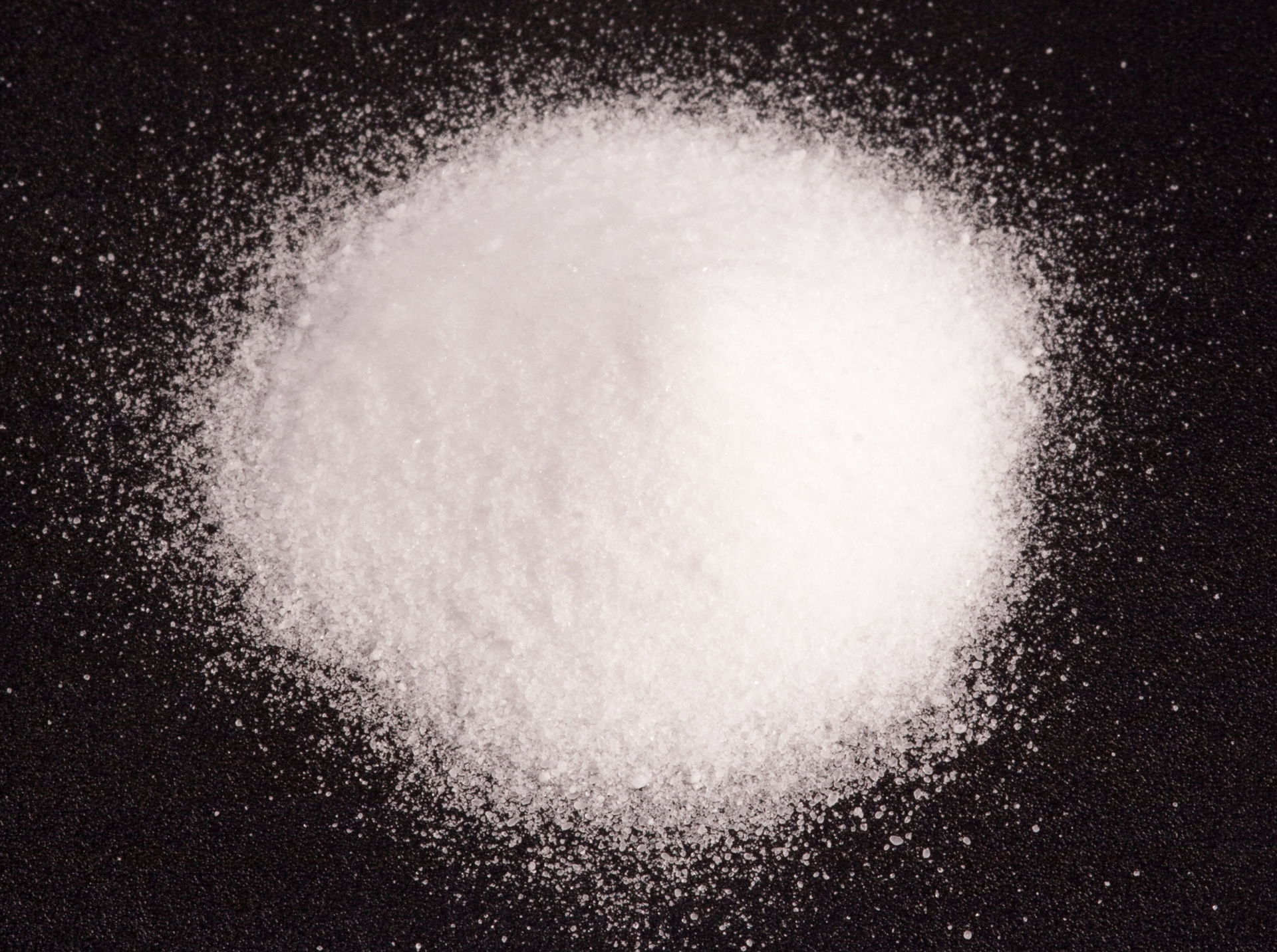
Sodium sulphate is commonly supplied in different forms depending on the application.
Anhydrous Sodium Sulphate
This form contains no water. It is commonly used where moisture control is important, such as in detergents and chemical processing.
Sodium Sulphate Decahydrate
This form contains water molecules and is often used in thermal storage or specific industrial processes.
Each type is selected based on process needs and performance requirements.
How Sodium Sulphate Is Produced
Sodium sulphate can be produced through natural and chemical processes.
Common production methods include:
- Recovery from natural mineral deposits
- By-product from chemical manufacturing processes
- Controlled chemical reaction between sodium-based compounds and sulphur-based compounds
These methods allow sodium sulphate to be produced consistently in large volumes for industrial use.
Key Properties of Sodium Sulphate
Sodium sulphate is valued for its stable and predictable properties.
Important characteristics include:
- High chemical stability
- Non-flammable
- Neutral behavior in many formulations
- Good water solubility
- Low reactivity
These properties make it suitable for many industrial systems where consistency is important.
Why Sodium Sulphate Is Widely Used in Industry
Sodium sulphate is not usually added for chemical reaction. Instead, it is used to improve process efficiency, formulation stability, or physical properties of a product.
It is often chosen because:
- It is cost-effective
- It is easy to store and transport
- It is compatible with many formulations
- It improves processing consistency
In many cases, sodium sulphate helps make production smoother and more predictable.
Use of Sodium Sulphate in Detergent and Cleaning Products
One of the largest uses of sodium sulphate is in detergent manufacturing.
In detergent formulations, sodium sulphate:
- Acts as a filler to control product concentration
- Helps improve powder flow
- Supports even distribution of active ingredients
- Enhances product appearance and consistency
How can a detergent powder remain free-flowing and uniform? Sodium sulphate plays an important role in achieving this.
Use of Sodium Sulphate in Textile Industry
In textile dyeing and processing, sodium sulphate is commonly used as a dyeing assistant.
Its functions include:
- Helping dyes penetrate fabric evenly
- Improving colour consistency
- Supporting controlled dye absorption
This results in more uniform colour and better fabric quality.
Use of Sodium Sulphate in Glass Manufacturing
Sodium sulphate is used in glass production to support the melting process.
In glass furnaces, it helps:
- Remove air bubbles
- Improve clarity of glass
- Stabilize the melting process
This leads to smoother and higher-quality glass products.
Use of Sodium Sulphate in Chemical Processing
In chemical manufacturing, sodium sulphate is used as:
- A processing aid
- A drying agent in some systems
- A separation medium in certain reactions
Its stable nature makes it suitable for controlled industrial environments.
Use of Sodium Sulphate in Pulp and Paper Industry
Sodium sulphate plays a role in pulp and paper processing, especially in chemical recovery systems.
It supports:
- Chemical balance in processing cycles
- Consistent pulp quality
- Efficient recovery operations
Typical Dosage and Usage Levels
The amount of sodium sulphate used depends on the application.
General usage ranges:
- Detergent formulations: 5% – 40%
- Textile dyeing: 10 – 100 g/L, depending on fabric and dye
- Glass manufacturing: Controlled batch addition based on furnace design
Correct dosage is important to achieve the desired performance without waste.
Handling and Storage of Sodium Sulphate
Sodium sulphate is easy to handle but should still be stored properly.
Good practices include:
- Store in a dry area
- Keep packaging tightly closed
- Avoid moisture exposure
- Use clean tools for handling
Proper storage helps maintain product quality and flowability.
Safety Considerations
Sodium sulphate is generally considered low hazard when handled correctly.
Basic safety practices:
- Avoid inhaling dust
- Use gloves when handling large quantities
- Follow standard industrial hygiene practices
These steps help maintain a safe working environment.
How to Choose the Right Sodium Sulphate for Your Application
When selecting sodium sulphate, consider:
- Required purity level
- Particle size
- Moisture content
- Application process
Choosing the right grade ensures stable performance and process efficiency.
Conclusion: Why Sodium Sulphate Is an Important Industrial Chemical

Sodium sulphate is a reliable and versatile chemical used across many industries. Its stability, compatibility and cost-effectiveness make it a valuable raw material in detergents, textiles, glass and chemical processing.
By understanding what sodium sulphate is, how it works and where it is used, businesses and professionals can make better decisions and achieve more consistent results in their operations. Sodium sulphate remains an essential supporting material in modern industrial production.