
Many cleaning products promise to remove stains, brighten fabrics and eliminate unpleasant odours. One of the ingredients that makes these claims possible is sodium percarbonate. It is commonly found in oxygen bleach powders, laundry boosters, household cleaners and industrial cleaning products.
Unlike chlorine bleach, sodium percarbonate releases oxygen when mixed with water. This oxygen helps break down stains, remove dirt and improve cleaning performance without using chlorine. For this reason, sodium percarbonate has become a popular choice in both household and industrial cleaning applications.
Understanding how sodium percarbonate works can help users choose the right cleaning ingredient for different applications. Whether you are a manufacturer developing cleaning products or a consumer interested in the science behind cleaning, learning about sodium percarbonate provides valuable knowledge about one of the most effective oxygen-based cleaning agents available today.
What Is Sodium Percarbonate?
Sodium percarbonate is a solid oxygen-releasing compound that is widely used as a cleaning and bleaching agent. It is sometimes called solid hydrogen peroxide because it releases hydrogen peroxide when dissolved in water.
Chemically, sodium percarbonate is an addition compound made from:
- Sodium carbonate (washing soda)
- Hydrogen peroxide
In dry powder form, sodium percarbonate is stable and easy to store. Once it comes into contact with water, it breaks down into three main components:
- Sodium carbonate
- Hydrogen peroxide
- Oxygen (released through the decomposition of hydrogen peroxide)
This reaction creates a cleaning solution that can remove many types of stains and organic dirt.
Basic Properties of Sodium Percarbonate
Some important characteristics include:
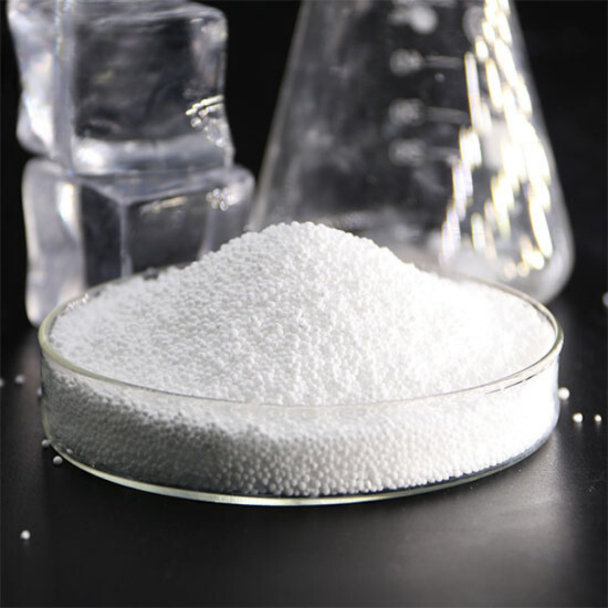
- White crystalline powder or granules
- Mild alkaline material
- Highly soluble in water
- Releases active oxygen when dissolved
- Good storage stability when kept dry
- Non-chlorine bleaching agent
- Suitable for many cleaning formulations
Its ability to remain stable during storage while releasing oxygen only when mixed with water makes it an excellent ingredient for powdered cleaning products.
How Does Sodium Percarbonate Work?
The cleaning action begins immediately after sodium percarbonate is dissolved in water.
The reaction can be simplified as follows:
Sodium Percarbonate + Water → Sodium Carbonate + Hydrogen Peroxide
The hydrogen peroxide then gradually decomposes into:
Hydrogen Peroxide → Water + Active Oxygen
It is this active oxygen that performs most of the cleaning work.
At the same time, the sodium carbonate increases the alkalinity of the cleaning solution, helping loosen grease and oily dirt.
These two actions work together, making sodium percarbonate an effective multifunctional cleaning ingredient.
How Does Active Oxygen Remove Dirt and Stains?
Active oxygen is a strong oxidising agent. Instead of simply washing dirt away, it chemically changes many stain molecules.
When oxygen reacts with coloured stains, it breaks large coloured molecules into much smaller and colourless compounds. As a result, stains become easier to remove during washing.
Examples of stains that respond well include:
- Coffee
- Tea
- Fruit juice
- Wine
- Grass stains
- Food stains
- Blood stains
- Sweat stains
- Organic residues
This oxidation process also helps reduce unpleasant odours because many odour-causing compounds are organic molecules that can be broken down by oxygen.
Why Is Sodium Carbonate Also Important?
Many people focus only on the oxygen released by sodium percarbonate, but sodium carbonate also plays an important role.
When dissolved, sodium carbonate increases the pH of the cleaning solution.
A higher pH helps:
- Break down grease
- Loosen oily deposits
- Improve detergent performance
- Soften water by reducing interference from calcium and magnesium ions
- Allow surfactants to clean more efficiently
This is one reason sodium percarbonate often performs better than hydrogen peroxide alone.
What Types of Dirt Can Sodium Percarbonate Remove?
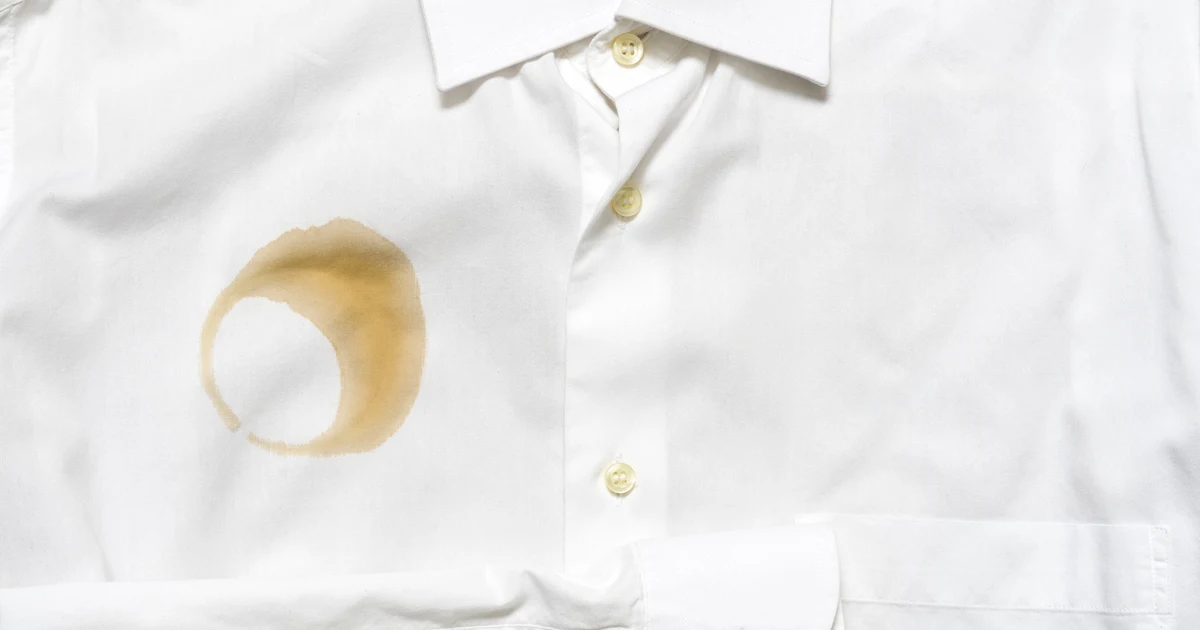
Different cleaning chemicals work best on different types of dirt.
Sodium percarbonate is particularly effective on:
Organic Stains
Examples include:
- Food residues
- Sweat
- Blood
- Coffee
- Tea
- Wine
- Fruit stains
These stains contain organic molecules that can be oxidised.
Yellowing and Dullness
White fabrics often become yellow over time due to body oils, detergent residue and oxidation. Sodium percarbonate helps restore brightness by breaking down these deposits.
Bad Odours
Many unpleasant smells come from bacteria or organic residues. Active oxygen helps oxidise these compounds, reducing odours without simply masking them with fragrance.
Mould and Mildew Stains
In suitable cleaning conditions, sodium percarbonate can help remove mould stains and organic deposits from hard surfaces. Heavy mould infestations may still require dedicated treatment and proper safety precautions.
Why Is Warm Water Often Recommended?
Have you noticed that many oxygen bleach products recommend warm water?
This is because temperature affects the decomposition of hydrogen peroxide.
Generally:
- Cold water still works but the reaction is slower.
- Warm water speeds up oxygen release and improves stain removal.
- Excessively hot water may cause oxygen to be released too quickly, reducing the cleaning time available.
For many cleaning applications, warm water provides a good balance between reaction speed and cleaning efficiency.
Applications of Sodium Percarbonate
Many industries use sodium percarbonate as a cleaning ingredient because it provides effective stain removal, bleaching and deodorising performance.
Laundry Products
One of the largest applications is in laundry powders and oxygen bleach products.
It helps:
- Brighten white fabrics
- Remove stains
- Improve detergent performance
- Reduce odours
Household Cleaning Products
It is commonly included in products designed to clean:
- Kitchen surfaces
- Bathroom surfaces
- Tiles
- Grout
- Outdoor furniture
- Garbage bins
Industrial Cleaning
Industrial cleaners may contain sodium percarbonate for cleaning:
- Processing equipment
- Food-contact equipment (followed by proper rinsing)
- Storage tanks
- Production areas
- General maintenance surfaces
The exact formulation depends on the cleaning requirements and industry regulations.
Textile Industry
Textile processing sometimes uses oxygen bleaching systems to prepare fabrics before dyeing or finishing.
Food Processing Industry
Certain cleaning formulations use sodium percarbonate to remove organic residues from equipment and production areas. Products must be used according to cleaning procedures, followed by thorough rinsing where required.
Advantages of Sodium Percarbonate
Many formulators choose sodium percarbonate because it offers several benefits:
- Releases active oxygen for effective stain removal
- Chlorine-free bleaching action
- Powder form is easy to transport and store
- Suitable for many powdered cleaning products
- Improves cleaning performance when combined with surfactants
- Helps brighten fabrics
- Reduces unpleasant odours
- Leaves no chlorine smell after use
- Compatible with many detergent ingredients
Limitations to Consider
Although sodium percarbonate is a versatile cleaning ingredient, it is not suitable for every situation.
Some points to consider include:
- Cleaning performance depends on water temperature.
- Moisture exposure during storage can reduce stability.
- It is less effective on mineral deposits such as limescale or rust, which usually require acidic cleaners.
- Some delicate fabrics or coloured materials may not tolerate oxygen bleaching well. Always check the care label and test on a small, inconspicuous area first.
- It should not be mixed with incompatible chemicals unless the formulation has been properly developed.
Choosing the right cleaning chemical depends on the type of dirt being removed.
Storage and Handling
Proper storage helps maintain product quality.
Recommended practices include:
- Store in a cool and dry place.
- Keep the container tightly closed.
- Protect from moisture.
- Avoid contamination with incompatible materials.
- Use clean and dry scoops when handling the powder.
- Follow the product's Safety Data Sheet (SDS) and wear suitable personal protective equipment when handling large quantities.
Common Questions About Sodium Percarbonate
Is sodium percarbonate the same as chlorine bleach?
No. Sodium percarbonate is an oxygen-based bleaching agent. Chlorine bleach works through a different chemical mechanism and has different compatibility with materials.
Can sodium percarbonate disinfect surfaces?
Sodium percarbonate can reduce some microorganisms because it releases hydrogen peroxide. However, cleaning performance and disinfection are not the same. If a product is intended to disinfect, it should be formulated, tested and used according to applicable regulations and label instructions.
Can it remove all stains?
No. It is highly effective on many organic stains but may not remove every type of stain. Rust, mineral deposits, some dyes and certain chemical stains often require different cleaning agents.
Can it be mixed with detergent?
Yes. Sodium percarbonate is commonly incorporated into powdered laundry detergents and oxygen bleach products to improve stain removal and whitening performance. Compatibility with other ingredients should always be evaluated during formulation.
Conclusion
Sodium percarbonate is an important oxygen-based cleaning ingredient used in many household and industrial cleaning products. When dissolved in water, it releases hydrogen peroxide and active oxygen, which help break down stains, reduce odours and improve cleaning performance. At the same time, the sodium carbonate produced during the reaction increases alkalinity, helping loosen grease and support the action of surfactants.
Its combination of bleaching, stain removal, and cleaning properties makes sodium percarbonate a valuable ingredient in laundry products, surface cleaners and industrial formulations. By understanding how it works and where it performs best, manufacturers and users can choose more effective cleaning solutions for a wide range of applications.