
If you use cosmetics, personal care products or even household items, there is a high chance you have already used phenoxyethanol without knowing it. It is one of the most widely used preservatives in modern formulations. But what exactly is it? Why do manufacturers use it? Is it safe?
This article will explain phenoxyethanol in a simple but technical way, even beginners can understand its role in different industries.
What Is Phenoxyethanol?
Phenoxyethanol is a type of preservative used to prevent the growth of bacteria, yeast and mould in products that contain water.
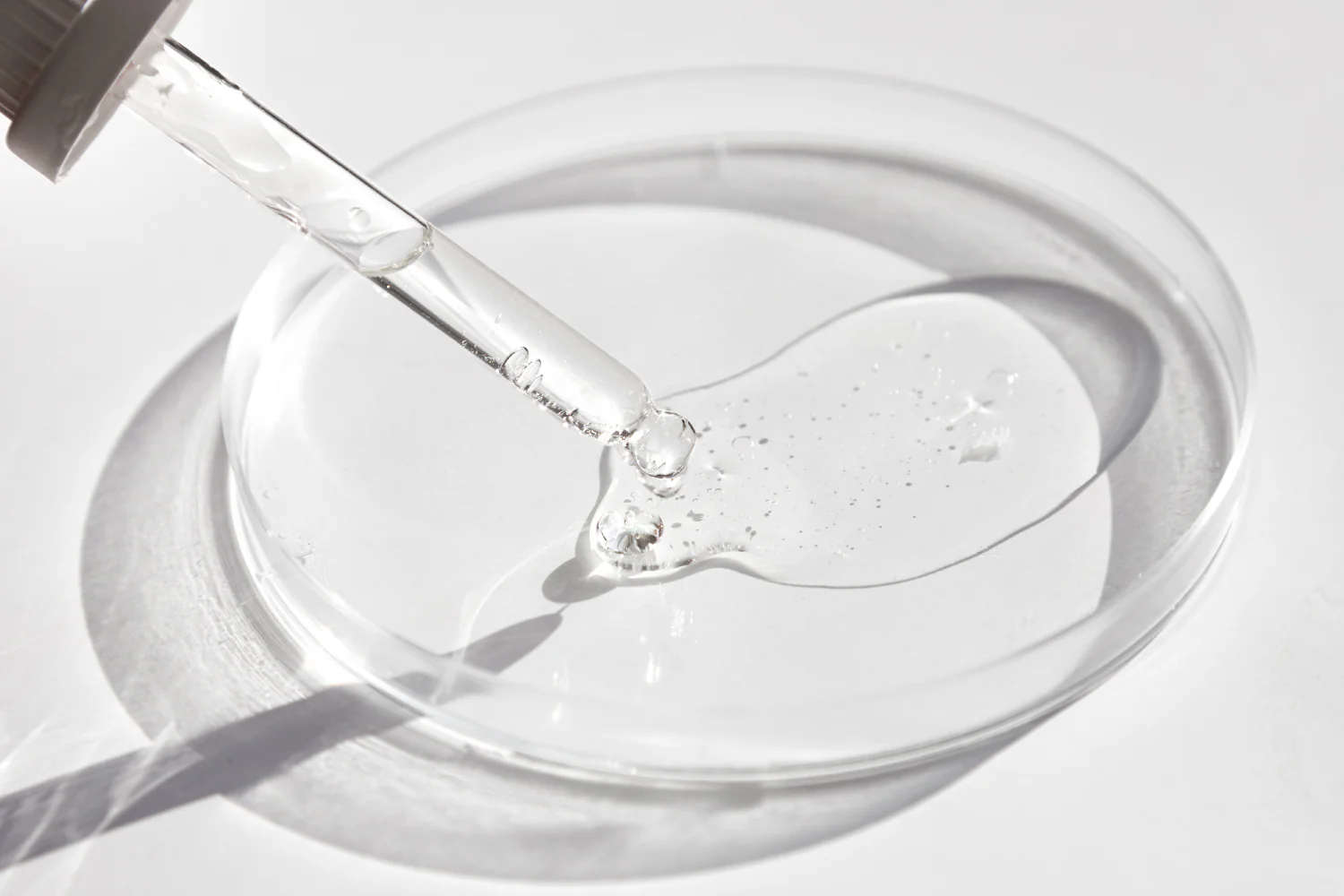
From a chemical point of view, it is an aromatic glycol ether. It is usually a clear, slightly oily liquid with a mild odour.
In simple words, phenoxyethanol helps keep products safe and stable by stopping microorganisms from growing inside them.
Why Do Products Need Preservatives Like Phenoxyethanol?
Any product that contains water can easily become a breeding ground for microbes. This includes:
- Skincare products (lotions, creams, serums)
- Hair care products (shampoo, conditioner)
- Wet wipes and liquid soaps
- Some industrial water-based formulations
Without preservatives, these products can spoil quickly. Bacteria and mould can grow, which may cause:
- Bad smell
- Change in colour or texture
- Reduced product performance
- Risk of skin irritation or infection
Phenoxyethanol helps solve this problem by controlling microbial growth and extending shelf life.
How Does Phenoxyethanol Work?
Phenoxyethanol works by damaging the cell walls of microorganisms and disrupting their internal processes.
Specifically, it can:
- Break down bacterial cell membranes
- Interfere with enzyme activity inside microbes
- Stop reproduction of microorganisms
Due to this, it is effective against a wide range of bacteria, especially gram-negative bacteria. However, it is usually combined with other preservatives to improve its performance against fungi and mould.
Key Properties of Phenoxyethanol
Understanding its properties helps formulators use it in the right way:
- Appearance: Clear, colourless liquid
- Solubility: Slightly soluble in water, but more soluble in alcohol and oils
- Stability: Stable over a wide pH range (typically pH 3–10)
- Temperature resistance: Can withstand moderate heat during formulation
- Odour: Mild, not strong
These properties make phenoxyethanol flexible and easy to use in many types of formulations.
Where Is Phenoxyethanol Commonly Used?
Phenoxyethanol is used across many industries:
1. Personal Care and Cosmetics
- Facial creams and lotions
- Sunscreen
- Makeup products
- Baby products (in low, controlled levels)
2. Household Products
- Liquid detergents
- Surface cleaners
- Wet wipes
3. Industrial Applications
- Water-based coatings
- Adhesives
- Ink formulations
Its wide compatibility makes it a preferred preservative for many formulators.
Advantages of Using Phenoxyethanol
Why do many manufacturers choose phenoxyethanol?
- Broad-spectrum antibacterial activity
- Works in wide pH range
- Low odour compared to some preservatives
- Good compatibility with many ingredients
- Stable under normal processing conditions
It is often used as an alternative to older preservatives that may cause stronger irritation or have regulatory restrictions.
Is Phenoxyethanol Safe?
Phenoxyethanol is generally considered safe when used within recommended limits.
Regulatory bodies in many regions allow its use up to 1.0% in cosmetic products. It has been evaluated for safety and is widely accepted in the industry.
However, like any chemical ingredient, safety depends on:
- Proper dosage
- Correct formulation
- Intended use of the product
For example, products for infants or sensitive skin may require more careful formulation.
How to Use Phenoxyethanol in Formulation
When adding phenoxyethanol into a product, formulators should consider:
1. When to Add
Usually added during the cooling phase (below 40–50°C) to reduce evaporation and maintain stability.
2. Mixing Method
It can be added directly into the water phase or final mixture with gentle stirring.
3. Compatibility Check
Always test compatibility with other ingredients, especially natural extracts or proteins.
4. Preservation System Design
Do not rely on phenoxyethanol alone for full protection. Consider combining it with:
- Organic acids
- Chelating agents
- Humectants with antimicrobial boosting effect
Common Questions to Think About
- Does your formulation contain enough water to support microbial growth?
- Are you using phenoxyethanol alone or with a booster system?
- Is your product for sensitive users, such as babies?
- Have you performed microbial testing to confirm effectiveness?
These questions help ensure a safe and stable final product.
Conclusion: Is Phenoxyethanol a Good Choice?
Phenoxyethanol is a reliable and widely used preservative that plays an important role in keeping products safe and stable. Its flexibility, stability and effectiveness make it suitable for many applications.
However, like any ingredient, it must be used correctly. Understanding how it works, its strengths and its limitations will help you create better and safer formulations.
For beginners and experienced formulators alike, phenoxyethanol remains a key ingredient worth understanding in depth.