When formulating perfume, one of the most important decisions is choosing the right solvent system. Two of the most commonly used options are alcohol (ethanol) and Dipropylene Glycol (DPG).
Many beginners assume they are interchangeable, but in reality, they behave very differently and serve different purposes.
So, which one is better for perfume?
The answer depends on what type of product you want to create, how strong the scent should be and how the fragrance is delivered.
This article will explain clearly the differences, advantages, limitations and when to use each solvent.
What Is Alcohol in Perfume Formulation?
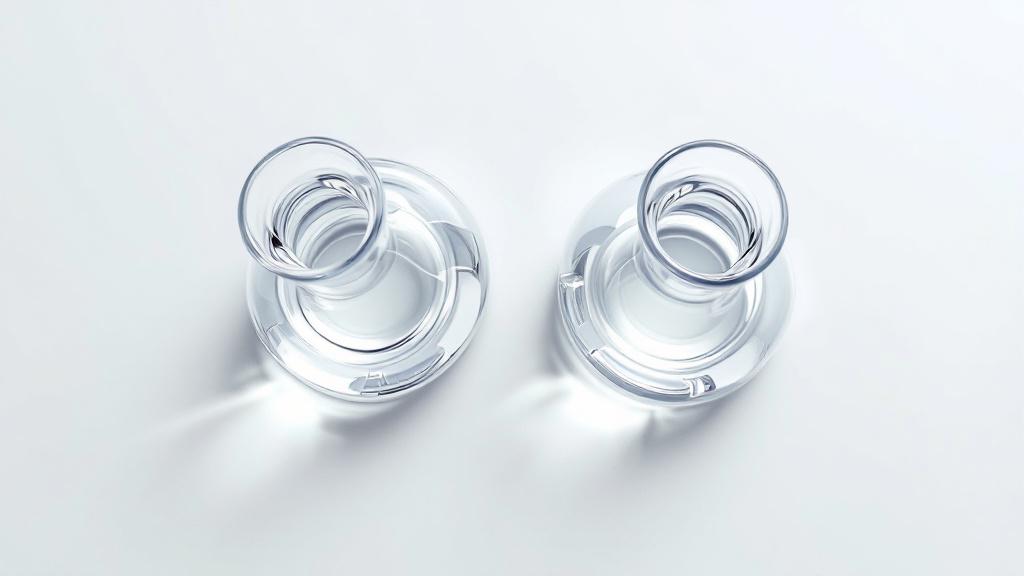
Alcohol (usually ethanol) is the most widely used solvent in perfume.
Key characteristics:
- Clear, low viscosity liquid
- Fast evaporating
- High ability to dissolve fragrance oils
Main function:
- Carries fragrance and releases it quickly into the air
What Is Dipropylene Glycol (DPG)?
DPG is a slow-evaporating solvent commonly used in fragrance applications.
Key characteristics:
- Slightly thicker than alcohol
- Low volatility (evaporates slowly)
- Good solubilizing ability for fragrance oils
Main function:
- Helps control evaporation and extend scent duration
Key Differences between Alcohol and DPG
Property | Alcohol (Ethanol) | Dipropylene Glycol (DPG) |
Evaporation Rate | Fast | Slow |
Scent Release | Strong, Immediate | Soft, Gradual |
Viscosity | Low | Medium |
Skin Feel | Light, quick dry | Slightly heavier |
Solubility Power | High | Moderate |
Common Use | Perfume spray | Diffuser, oil-based perfume |
How Solvent Affects Perfume Performance
1. Scent Projection (How Far the Smell Travels)
- Alcohol:
High evaporation pushes fragrance molecules into the air quickly – stronger projection
- DPG:
Slower evaporation – softer, closer scent
Considerations:
Do you want your perfume to be noticed from a distance or only when someone is close?
2. Longevity (How Long It Lasts)
- Alcohol:
Evaporates fast, but leaves fragrance behind
- DPG:
Slows down evaporation, longer lasting effect
3. Drying Time
- Alcohol: Dries quickly on skin
- DPG: Leaves slightly oily or moist feel
4. Fragrance Development
- Alcohol-based perfume:
Clear top, middle, and base note progression
- DPG-based perfume:
More linear scent (less evolution over time)
When to Use Alcohol in Perfume
Alcohol is best for:
- Spray perfumes (EDP, EDT, EDC)
- Products requiring strong scent throw
- Fast-drying applications
Why?
- Helps fragrance spread quickly
- Provides classic perfume experience
When to Use DPG in Perfume
DPG is suitable for:
- Oil-based perfumes
- Roll-on perfumes
- Reed diffusers
- Incense or slow-release systems
Why?
- Controls evaporation
- Improves scent longevity
Can You Use Alcohol and DPG Together?
Yes, this is often the best approach.
Benefits of blending:
- Alcohol provides projection
- DPG improves longevity
- Balanced performance
Common Problems and How Solvent Choice Affects Them
1. Perfume Does Not Last Long
- Cause: Too much alcohol, no fixative
- Solution: Add small amount of DPG
2. Weak Scent Throw
- Cause: Too much DPG
- Solution: Increase alcohol ratio
3. Cloudy Perfume
- Cause: Poor solubility or water content
- Solution: Adjust solvent balance
4. Sticky or Oily Feel
- Cause: High DPG content
- Solution: Reduce DPG
Key Factors to Consider When Choosing
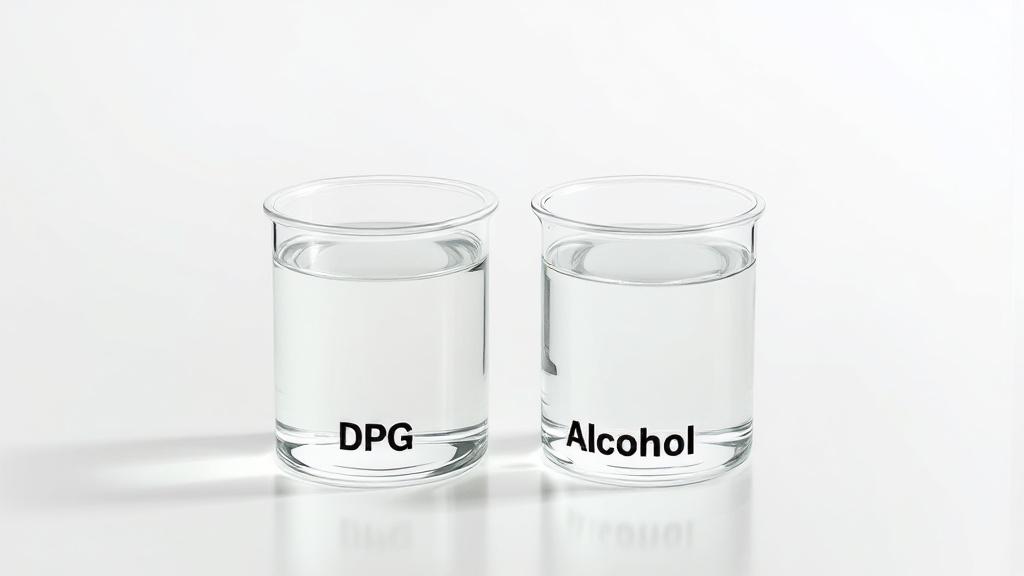
Think about this:
- Do you want strong projection or long lasting scent?
- Is the product spray or roll-on?
- Who is your target user?
- What is your cost target?
Conclusion: Which Is Better?
There is no single “better” option.
- Alcohol is best for strong, fast and classic perfume performance
- DPG is best for long-lasting, slow-release applications
In many cases, the best solution is a balanced combination of both, depending on your formulation goal.
A good perfume is not just about fragrance, it is about how the solvent system controls evaporation, diffusion and user experience.