
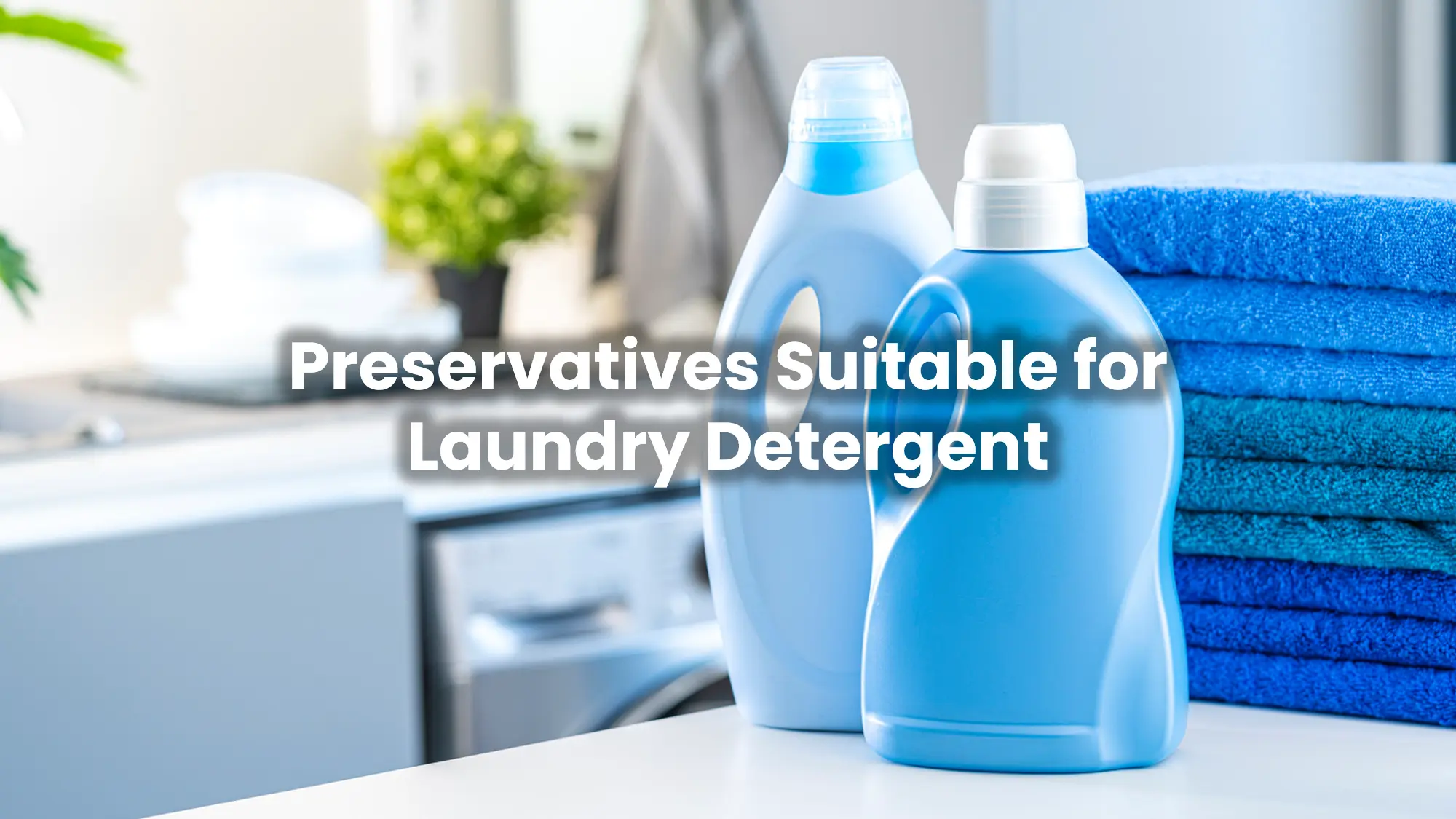
Laundry detergent is a water-based formulation that contains surfactants, builders, fragrances, dyes and other performance additives. These ingredients work together to remove dirt, oil and stains from fabrics.
However, once water is present in a formulation, there is always a risk of microbial growth. Bacteria, yeast and mould can develop over time, especially during storage and repeated consumer use. This is why a preservative is an essential part of most liquid laundry detergent systems.
A well-chosen preservative helps maintain product quality, prevents contamination and ensures the detergent remains stable throughout its shelf life.
What Is a Preservative in Laundry Detergent?
A preservative is a chemical ingredient added to prevent the growth of microorganisms such as bacteria, yeast and mould.
In laundry detergent systems, preservatives act as a protective barrier. They help ensure the product remains safe, stable and usable from production until the last drop.
Without a preservative, microorganisms may grow slowly inside the product, especially when exposed to air, moisture and repeated handling.
Why Laundry Detergent Needs a Preservative
Many people assume that cleaning agents automatically prevent microbial growth. In reality, most surfactants are designed for cleaning fabrics, not preserving the product itself.
A typical liquid laundry detergent contains:
- Water
- Surfactants
- Fragrance
- Dyes
- Chelating agents
- Builders
- Thickeners
- Performance additives
Water is the key factor that makes preservation necessary. It creates an environment where microorganisms can survive and multiply.
When preservation is insufficient, several quality issues may appear:
- Unpleasant odour development
- Colour instability
- Separation or phase change
- Viscosity changes, becoming too thick or too thin
- Mould growth on the surface or inside the product
- Reduced cleaning performance
These issues affect product appearance, stability and consumer trust.
How Preservatives Work in Detergent Systems
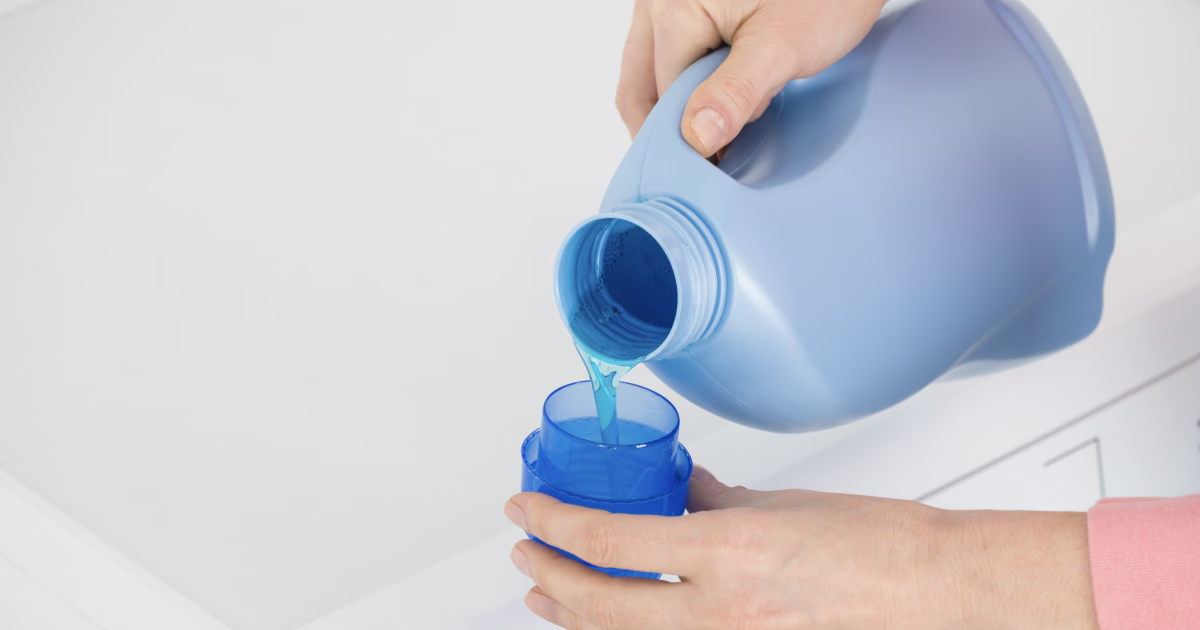
Preservatives control microbial growth through different mechanisms depending on their chemical structure.
They may:
- Disrupt microbial cell membranes
- Inhibit enzyme activity inside cells
- Prevent reproduction of bacteria and fungi
- Break down essential biological processes
Once these processes are blocked, microorganisms cannot survive or multiply inside the formulation.
Different preservatives target different microorganisms. Some are stronger against bacteria, while others are more effective against yeast and mould. This is why formulation selection is very important.
Factors That Promote Microbial Growth in Detergent
Understanding contamination risks helps in selecting the right preservative system.
High Water Content
Liquid detergents contain a large amount of water, which naturally supports microbial growth.
Organic Ingredients
Some additives, especially plant-based extracts or biodegradable materials, may serve as nutrients for microorganisms.
Repeated Opening of Packaging
Every time a user opens the bottle, air and external contaminants may enter the product.
Storage Conditions
Warm and humid environments, especially in tropical regions, can increase microbial activity significantly.
A simple question to consider is this:
How stable will the detergent remain after months of storage in different environments?
Key Properties of an Effective Preservative
A good preservative for laundry detergent should have the following characteristics:
- Broad-spectrum antimicrobial activity
- Stability under different pH conditions
- Compatibility with surfactants and additives
- No negative impact on colour or fragrance
- Effective at low dosage levels
- Long-term stability in storage
- Compliance with regulatory requirements
These properties ensure consistent product performance from manufacturing to end use.
Common Preservatives Used in Laundry Detergent
Different preservatives are used depending on formulation design, cost and performance requirements.
DMDM Hydantoin
DMDM Hydantoin is widely used in liquid cleaning systems, including laundry detergents. It provides broad-spectrum protection against bacteria, yeast and mould.
It is commonly selected due to its:
- Strong antimicrobial performance
- Good compatibility with detergent systems
- Stability in a wide pH range
- Long shelf life performance
In many formulations, it is used as a reliable preservation solution for water-based household cleaning products.
Phenoxyethanol
Phenoxyethanol is another commonly used preservative in water-based systems. It provides good antibacterial performance and is often used in formulations where clarity and stability are important.
Its key advantages include:
- Good stability in liquid systems
- Effective against a wide range of bacteria
- Minimal impact on product appearance
- Easy formulation compatibility
It is widely used in both household and personal care formulations depending on system design.
How to Select the Right Preservative
Choosing a preservative is not only about antimicrobial strength. It must match the entire formulation system.
Important considerations include:
pH Level of the Product
Different preservatives perform better in different pH conditions. Some are stable in alkaline systems while others work better in neutral environments.
Formulation Ingredients
Surfactants, fragrances, salts and solvents may affect preservative performance.
Shelf Life Requirement
A longer shelf life requires a more robust preservation system.
Climate Conditions
Hot and humid environments increase microbial risk significantly.
Usage Behavior
Products that are frequently opened require stronger protection.
Each of these factors influences the final preservative choice.
Is More Preservative Always Better?
Adding more preservative does not always improve product safety.
In many cases, excessive dosage may:
- Increase formulation cost
- Affect compatibility with other ingredients
- Create regulatory limitations
- Impact product sensory properties
The correct approach is to use an optimized dosage based on formulation testing, stability studies, and microbial challenge tests.
When Should Preservatives Be Added?
Most preservatives are added during the final production stage, usually after cooling.
This helps to:
- Maintain chemical stability
- Avoid heat degradation
- Ensure uniform mixing in the final formulation
However, the exact addition point may vary depending on the preservative type and manufacturing process.
Can Laundry Detergent Be Made Without Preservatives?
In some special formulations with very low water activity, microbial growth may be limited.
However, most liquid laundry detergents contain enough water to support microbial activity. In such cases, preservatives are strongly recommended to ensure long-term stability and product safety.
Frequently Asked Questions
Does powder detergent need preservatives?
Most powder detergents have very low moisture content, so microbial growth is less of a concern compared to liquid systems.
Will preservatives affect cleaning performance?
When used correctly, preservatives do not reduce cleaning performance.
Can preservatives affect fragrance stability?
Some preservatives may interact with fragrance systems, so compatibility testing is always recommended.
How is preservative effectiveness tested?
Microbial challenge testing and long-term stability studies are commonly used to confirm performance.
Conclusion
Preservatives play a critical role in maintaining the stability, safety and shelf life of liquid laundry detergents. Even though they are used in small amounts, their impact on product quality is significant.
A properly selected preservative system helps prevent microbial growth, protects product appearance and ensures consistent performance throughout storage and use.
DMDM Hydantoin and Phenoxyethanol are among the commonly used options, each with its own strengths depending on formulation needs.
For best results, preservative selection should always be based on formulation compatibility, product pH, storage conditions and required shelf life.