
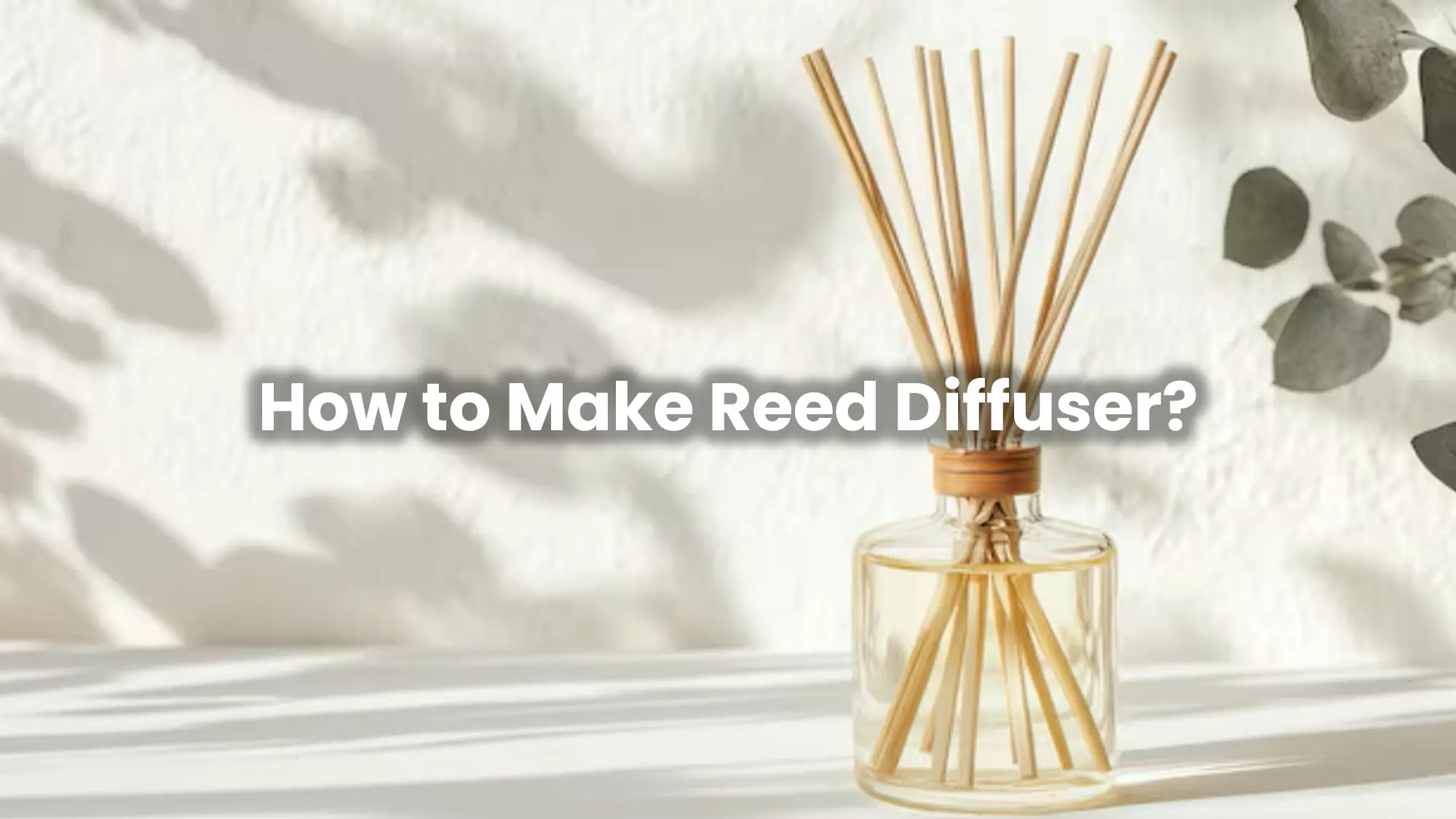
Reed diffusers are one of the most popular fragrance products used in homes, offices, hotels, retail stores and many other indoor spaces. They provide continuous fragrance release without heat, flame or electricity, making them a simple and convenient air freshening solution.
Many people think reed diffusers are very complicated to make, but the basic formulation is actually quite simple. However, achieving a good diffuser performance is not only about mixing fragrance with solvent. The choice of carrier, evaporation speed, viscosity, fragrance compatibility and reed performance all play important roles.
In this article, we will discuss how reed diffusers are formulated and why the selection of solvent and fragrance balance is important for achieving good performance. We will cover the function of each ingredient, how the formulation works, common manufacturing issues, practical production tips and ways to improve fragrance diffusion and product stability.
What Is a Reed Diffuser?
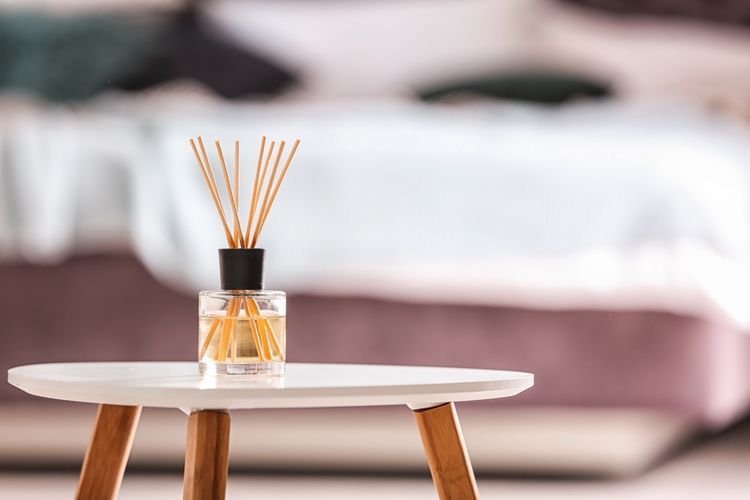
A reed diffuser is a type of air freshening system that uses reeds to absorb scented liquid from a container and slowly release the fragrance into the surrounding air. The diffusion process happens naturally through capillary action, where the liquid travels upward through the reeds before evaporating into the environment.
The liquid formulation inside a reed diffuser usually consists of fragrance oil combined with carrier solvents and evaporation enhancers. These ingredients work together to control fragrance strength, evaporation speed and overall diffuser performance. A well-balanced formulation helps the fragrance diffuse consistently while also extending the lifespan of the product.
Unlike candles or electric diffusers, reed diffusers do not require flame, heat or electricity. Once the reeds are inserted into the bottle, the diffuser can continuously release fragrance for weeks or even months depending on the formulation, room condition and reed quality.
Because of their simplicity and convenience, reed diffusers are commonly used in:
- Homes and bedrooms
- Bathrooms and living spaces
- Offices and meeting rooms
- Retail stores and hotel lobbies
- Spa and wellness environments
Reed Diffuser Formula Example
Below is a simple reed diffuser formulation commonly used for indoor fragrance products:
Ingredient | Percentage |
DPM | 65% |
Fragrance | 20% |
Ethanol | 15% |
This combination helps create a reed diffuser that has good scent strength, stable evaporation and reasonable product lifespan.
Function of Each Ingredient
1. DPM (Dipropylene Glycol Methyl Ether) - Main Base Solvent
DPM acts as the main carrier liquid in the reed diffuser. Its main job is to carry the fragrance through the reeds and help the scent release slowly into the air.
It also helps:
- Slow down evaporation
- Extend diffuser lifespan
- Improve fragrance stability
- Help the liquid move smoothly through the reeds
Without DPM, the diffuser may dry too quickly or release fragrance too aggressively.
At 65%, DPM forms the largest portion of the formulation because it controls the overall performance and stability of the diffuser.
2. Fragrance - Provides the Scent
The fragrance is the ingredient that gives the diffuser its smell.
At 20%, the fragrance level is considered relatively strong and suitable for producing noticeable scent throw in rooms and indoor spaces.
Different fragrances may perform differently in reed diffusers. Some lighter fragrances like citrus or fresh notes diffuse easily, while heavier fragrances like vanilla or woody notes may diffuse slower.
The fragrance selection will strongly affect:
- Scent strength
- Room coverage
- Diffusion speed
- Overall user experience
3. Ethanol - Helps Improve Diffusion
Ethanol helps the fragrance evaporate into the air more easily.
It works by reducing the thickness of the liquid, allowing the reeds to absorb the diffuser oil faster and more evenly. This helps improve scent throw and makes the fragrance easier to smell.
At 15%, ethanol helps:
- Improve fragrance release
- Increase reed absorption
- Reduce liquid thickness
- Support faster diffusion
However, too much ethanol may cause the diffuser to evaporate too quickly, which can shorten product lifespan.
Step-by-Step Guide to Make Reed Diffuser
Step 1: Prepare the Equipment
Prepare all necessary equipment such as:
- Mixing container
- Measuring scale
- Stirrer
- Funnel
- Diffuser bottle
- Reed sticks
Make sure the equipment is clean before use.
Step 2: Add DPM
Pour the DPM into the mixing container first.
DPM acts as the main base solvent and helps carry the fragrance through the reeds.
Step 3: Add Fragrance
Slowly add the fragrance oil into the DPM while stirring gently.
Mix until the liquid becomes clear and fully combined.
Step 4: Add Ethanol
Add ethanol slowly into the mixture and continue stirring gently.
Avoid stirring too aggressively to reduce air bubbles and evaporation loss.
After mixing, let the solution rest for a few hours before filling.
Step 5: Fill Into Bottles
Pour the finished reed diffuser liquid into the bottle using a funnel.
Do not overfill the bottle. Leave some space for the reeds.
Step 6: Insert the Reeds
Insert the reed sticks into the bottle and allow them to absorb the liquid naturally.
The fragrance usually starts becoming noticeable after several hours, while full performance may take around 24–48 hours.
Why Reed Quality Is Important
Many people focus only on the liquid formulation, but the reed quality also strongly affects diffuser performance.
Poor-quality reeds may:
- Absorb liquid slowly
- Produce weak scent throw
- Become clogged easily
- Diffuse fragrance unevenly
Fiber reeds are commonly preferred because they usually provide more consistent liquid flow and better long-term performance compared to some natural reeds.
Even with a good formulation, poor reeds can still cause unsatisfactory diffuser performance.
Common Reed Diffuser Problems
1. Weak Fragrance Smell
Sometimes the reed diffuser smells too weak or cannot fill the room properly.
This may happen because:
- The fragrance is too heavy
- The reeds are poor quality
- The room is too large
- The liquid is moving too slowly through the reeds
Using more reeds or choosing a fragrance that diffuses better may help improve the scent throw.
2. Diffuser Evaporates Too Fast
If the liquid finishes too quickly, the diffuser may contain too much fast-evaporating solvent or be placed in a hot area.
This usually happens when:
- The diffuser is exposed to sunlight
- It is placed near a fan or air-conditioner
- Too many reeds are used
Keeping the diffuser away from heat and airflow can help slow down evaporation.
3. Reeds Stop Working Properly
Sometimes the reeds absorb liquid slowly or stop diffusing fragrance after some time.
This can happen because:
- The fragrance oil is too thick
- Dust enters the bottle
- The reeds become clogged
Replacing the reeds with new ones usually helps restore performance.
4. Liquid Becomes Cloudy
Cloudy liquid usually means the ingredients are not fully compatible.
This may happen because:
- The fragrance does not mix well with the solvent
- Water contamination occurs
- Poor quality raw materials are used
Testing the formula before large production is always recommended to avoid stability problems.
How Long Can a Reed Diffuser Last?
The lifespan of a reed diffuser depends on several factors such as:
- Bottle size
- Number of reeds
- Room temperature
- Airflow
- Fragrance type
A 100ml reed diffuser may typically last around one to three months depending on usage conditions.
Higher DPM content generally helps improve longevity because it slows down evaporation.
Can the Formula Be Modified?
Yes. Reed diffuser formulations are often adjusted based on:
- Fragrance type
- Climate condition
- Desired scent strength
- Product lifespan target
- Cost optimization
For example:
- Increasing ethanol may improve scent throw
- Increasing DPM may extend lifespan
- Reducing fragrance may lower production cost
There is no single perfect formula suitable for every fragrance type.
Testing and adjustment are important parts of product development.
Safety and Handling Considerations
 When producing reed diffusers, always work in a properly ventilated area.
Since ethanol is flammable, avoid exposure to open flame or excessive heat. Wearing gloves during handling is also recommended to reduce direct skin contact with concentrated fragrance and solvents.
Proper storage is important for maintaining product quality and stability over time.
Summary
Although reed diffusers appear simple, their performance depends heavily on the balance between fragrance, solvent system, evaporation speed and reed quality.
The combination of DPM, fragrance and ethanol provides a balanced system that can produce:
- Good fragrance strength
- Stable diffusion
- Controlled evaporation
- Reasonable product lifespan
However, every fragrance behaves differently and some formulations may still require further adjustment depending on the desired performance.
Understanding how each ingredient functions allows formulators and manufacturers to create reed diffusers with better stability, stronger scent throw and improved user experience.