

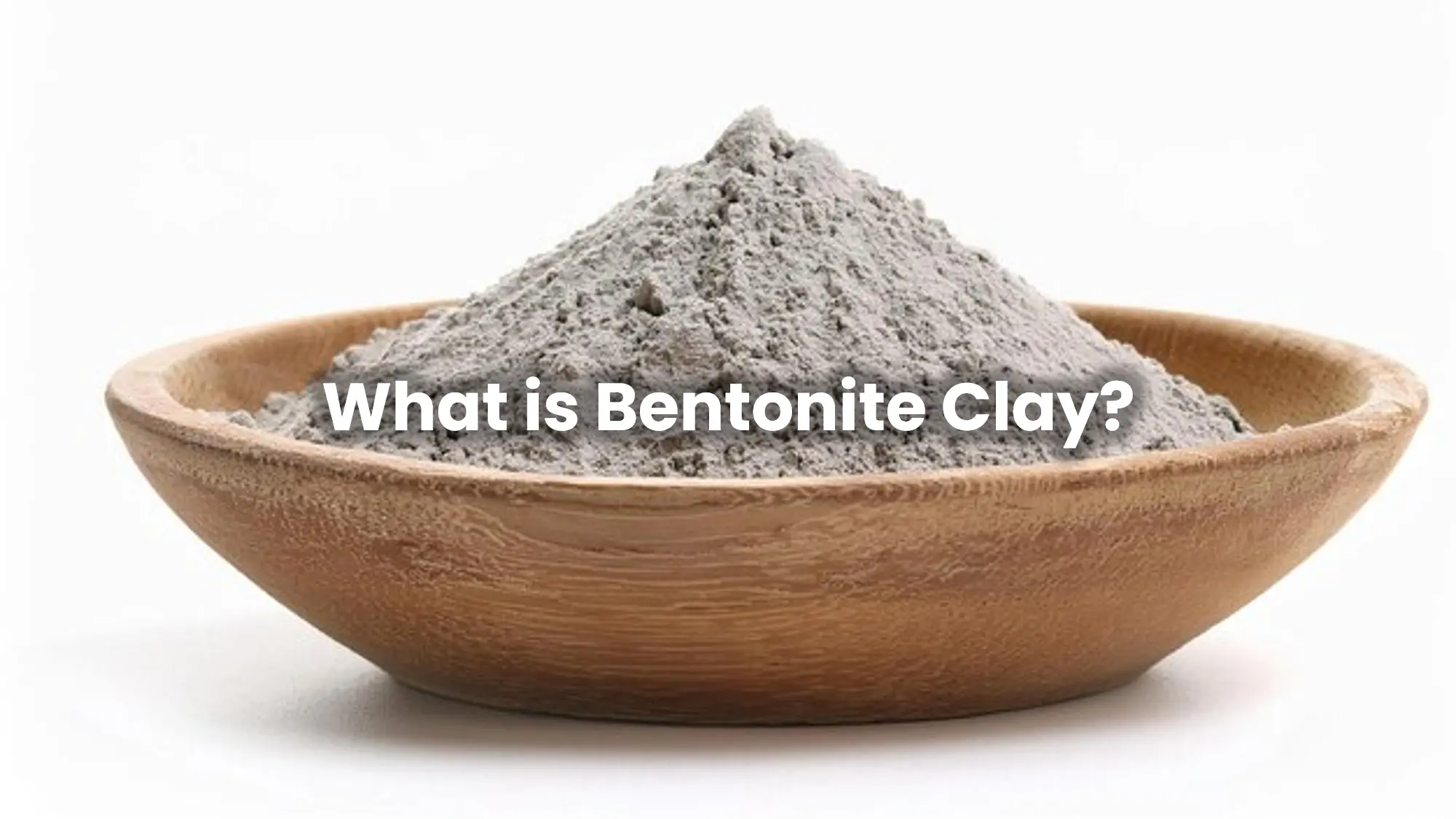
Bentonite clay is one of the most versatile natural minerals used across a wide range of industries. Derived from volcanic ash that has undergone natural weathering over millions of years, bentonite is valued for its ability to absorb water, swell, bind materials and improve product performance.
Today, bentonite clay is used in industries such as drilling, construction, agriculture, foundry, water treatment, manufacturing and personal care. Its unique physical properties make it an important raw material for many industrial and consumer products.
Whether you are a manufacturer, product formulator, contractor, farmer or simply interested in learning more about this mineral, understanding how bentonite clay works can help you appreciate why it remains one of the most widely used natural clays in the world.
What Is Bentonite Clay?
Bentonite clay is a naturally occurring absorbent clay primarily composed of the mineral montmorillonite. It is formed when volcanic ash reacts with water over long periods of time, creating a clay mineral with exceptional swelling and adsorption characteristics.
One of the most remarkable features of bentonite clay is its ability to absorb large amounts of water and expand significantly when hydrated. This property makes it useful in applications that require thickening, suspension, sealing, moisture retention or binding.
Due to its volcanic origin, bentonite clay is sometimes referred to as volcanic ash clay.
How Is Bentonite Clay Formed?
The formation of bentonite begins with volcanic eruptions that release ash into the environment.
Over time, the ash settles and comes into contact with water. Through natural weathering and geological processes, the volcanic ash gradually transforms into clay minerals, with montmorillonite becoming the dominant component.
This process can take thousands or even millions of years, resulting in naturally occurring bentonite deposits that can later be mined and processed for industrial use.
Chemical Composition of Bentonite Clay
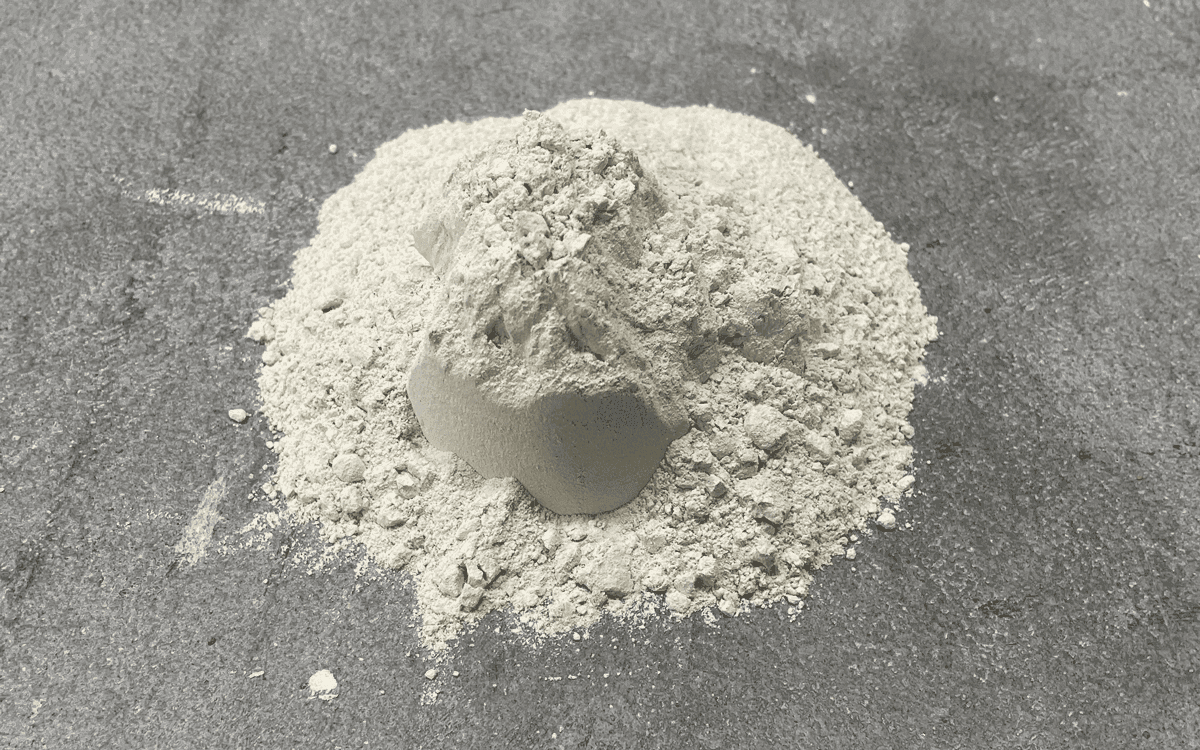
Montmorillonite is the primary mineral found in bentonite clay. Depending on its geological source, bentonite may also contain varying amounts of:
- Silica
- Aluminum oxide
- Magnesium
- Sodium
- Calcium
- Iron
- Potassium
The exact composition affects the clay's performance characteristics, including its swelling ability, adsorption capacity, viscosity and binding strength.
What Is Sodium Bentonite?
Sodium bentonite is one of the most commonly used types of bentonite clay and is known for its exceptionally high swelling capacity.
When mixed with water, sodium bentonite can absorb several times its own weight in liquid and form a thick, stable gel. This unique property makes it highly valuable in applications that require sealing, suspension, moisture control or fluid management.
Because of its strong swelling characteristics, sodium bentonite is widely used in:
- Drilling fluids
- Pond and lagoon sealing
- Waterproofing systems
- Civil engineering projects
- Landfill liners
- Soil improvement applications
Its versatility has made sodium bentonite an important material in both industrial and environmental applications.
Key Properties of Bentonite Clay
Excellent Water Absorption
Bentonite can absorb large amounts of water, allowing it to expand and form stable suspensions.
High Swelling Capacity
When hydrated, bentonite can expand significantly, creating an effective barrier against water movement.
Strong Binding Ability
It acts as a natural binder that helps hold particles together, making it useful in manufacturing and processing applications.
Suspension and Thickening Performance
Bentonite helps keep particles suspended in liquid systems and improves formulation stability.
Adsorption Capability
Its large surface area allows it to attract and hold various substances, making it useful in filtration and treatment processes.
Major Industrial Applications of Bentonite Clay
Drilling Industry
One of the largest applications of bentonite is in drilling fluids used for:
- Water well drilling
- Oil and gas exploration
- Geothermal drilling
- Horizontal directional drilling
It helps stabilize boreholes, transport drill cuttings and reduce fluid loss during drilling operations.
Construction and Civil Engineering
Bentonite is widely used in construction because of its sealing and waterproofing capabilities.
Applications include:
- Waterproof barriers
- Foundation systems
- Tunnel construction
- Retaining walls
- Landfill liners
- Soil stabilization
Foundry Industry
In metal casting operations, bentonite acts as a binder for molding sand.
Benefits include:
- Improved mold strength
- Better shape retention
- Consistent casting quality
Agriculture
Bentonite is used in agriculture to improve soil properties and support moisture retention.
Common applications include:
- Soil conditioning
- Fertilizer carriers
- Animal feed additives
- Moisture management systems
Water Treatment
Bentonite can assist in removing suspended particles and improving clarification processes in water and wastewater treatment systems.
Paints, Coatings and Adhesives
In formulation industries, bentonite is often used as a rheology modifier to improve viscosity control and product stability.
Bentonite Clay in Personal Care Applications
Although bentonite is widely known for industrial applications, certain grades of bentonite clay are also used in personal care and cosmetic formulations.
Depending on the purity level, grade and intended application, bentonite clay may be incorporated into products such as:
- Facial masks
- Facial cleansers
- Facial scrubs
- Body masks
- Foot soak products
- Bath products
- Soap formulations
- Toothpaste
In these applications, bentonite clay is often selected for its natural origin, formulation versatility and ability to improve product texture and consistency.
Manufacturers should always ensure that the selected bentonite grade is suitable for the intended cosmetic or personal care application.
Why Is Bentonite Clay Used in So Many Industries?
Few natural materials offer as many functional benefits as
bentonite.
A single material can provide:
- Water absorption
- Swelling properties
- Binding performance
- Thickening effects
- Suspension stability
- Adsorption capability
This combination of characteristics allows bentonite to solve a wide range of formulation and processing challenges across different industries.
Frequently Asked Questions About Bentonite Clay
Can Bentonite Clay Be Used in Face Masks?
Yes. Bentonite clay is commonly used in facial mask formulations. However, the suitability depends on the specific bentonite grade and purity level. Manufacturers should ensure that the selected grade is appropriate for cosmetic applications.
Can Bentonite Clay Be Used in Toothpaste?
Yes. Bentonite clay may be used in toothpaste formulations as a natural mineral ingredient. It can help provide structure and consistency to the final product. The selected grade should be suitable for oral care applications and comply with applicable product requirements.
Can Bentonite Clay Be Used for Foot Baths?
Yes. Certain grades of bentonite clay are used in foot soak and spa products. When mixed with warm water, it creates a clay suspension that can be incorporated into personal care and wellness formulations.
Can Bentonite Clay Be Used for Acne-Prone Skin?
Bentonite clay is commonly found in skincare products designed for oily and acne-prone skin. However, it is considered a cosmetic ingredient rather than a medical treatment. Individuals with persistent skin conditions should seek advice from a qualified healthcare professional.
Can Bentonite Clay Remove Warts?
There is currently limited scientific evidence showing that bentonite clay can effectively remove warts. Since warts are typically caused by viral infections of the skin, professional medical treatment may be required depending on the condition.
For this reason, bentonite clay should not be considered a proven wart removal treatment.
Advantages of Bentonite Clay
Some of the key advantages of bentonite include:
- Naturally sourced material
- High water absorption capacity
- Excellent swelling performance
- Strong binding properties
- Effective sealing capability
- Good suspension stability
- Wide industrial compatibility
- Cost-effective solution
These characteristics contribute to its widespread use across multiple industries.
Storage and Handling
To maintain product quality, bentonite should be stored properly.
Recommended storage conditions include:
- Store in a dry environment
- Keep packaging tightly sealed
- Protect from moisture exposure
- Avoid contamination from other materials
Proper storage helps preserve product performance and extend shelf life.
Conclusion
Bentonite is a naturally occurring clay mineral derived from volcanic ash and valued for its exceptional swelling, absorption, binding and suspension properties. These characteristics have made it an essential material in industries such as drilling, construction, foundry, agriculture, water treatment and manufacturing.
In addition to industrial uses, certain grades of bentonite clay are also incorporated into personal care products such as facial masks, cleansers, foot soak products, soaps and toothpaste.
As industries continue to seek versatile and cost-effective materials, bentonite remains one of the most important and widely used natural clay minerals available today.