
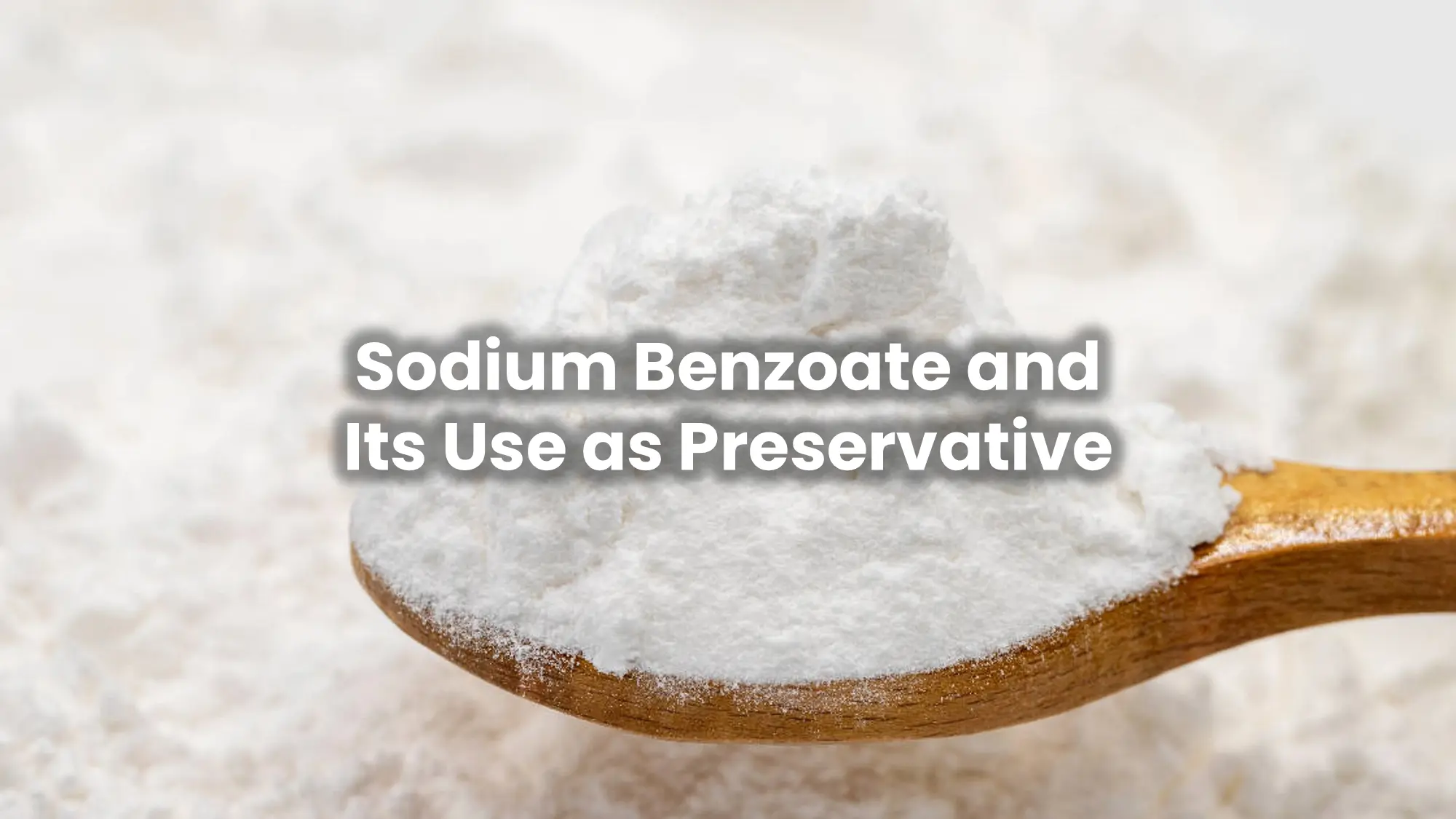
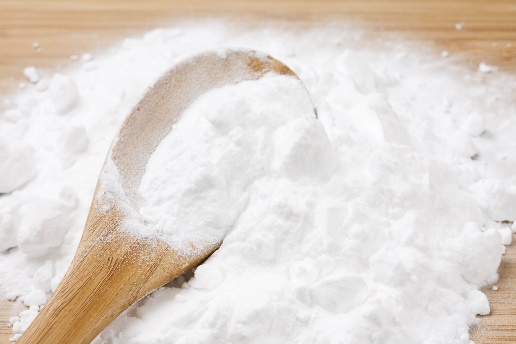
Sodium benzoate is a widely used chemical preservative with the molecular formula C₆H₅COONa. It is the sodium salt of benzoic acid and appears as a white, crystalline powder or granules. It is highly soluble in water and is commonly used to extend the shelf life of various products by preventing microbial growth. Sodium benzoate is primarily utilized in acidic environments, where it effectively inhibits the growth of bacteria, yeast, and fungi.
How Does Sodium Benzoate Work as a Preservative?
Sodium benzoate functions by inhibiting microbial growth through acidification. When dissolved in water, it releases benzoic acid, which penetrates microbial cells and disrupts their enzymatic activity. This disruption prevents the growth and reproduction of spoilage organisms, thereby prolonging the product’s shelf life. It is most effective in products with a pH below 4.5, making it ideal for acidic foods and beverages.
Applications of Sodium Benzoate in Different Industries
Sodium benzoate is used in various industries due to its effective preservative properties. These industries include:
- Food and Beverages: Extending shelf life in acidic food products.
- Cosmetics and Personal Care: Preventing microbial contamination in skincare and hygiene products.
- Pharmaceuticals: Enhancing stability and safety in medicinal formulations.
- Industrial Applications: Used in adhesives, paints, and other non-food products as an antimicrobial agent.
Sodium Benzoate in Food Preservation
Sodium benzoate is commonly added to acidic food and beverage products to prevent spoilage caused by bacteria and fungi. Some common examples include:
- Carbonated Soft Drinks: Maintains freshness in sodas and flavoured beverages.
- Fruit Juices: Helps preserve fruit-based drinks with high acidity.
- Pickles and Condiments: Extends the shelf life of pickled vegetables, sauces, and vinegar-based dressings.
- Jams and Jellies: Prevents mold growth in fruit-based spreads.
The recommended concentration of sodium benzoate in food applications typically ranges between 0.05-0.10%, depending on regulatory guidelines.
Sodium Benzoate in Cosmetics and Personal Care
In cosmetics and personal care products, sodium benzoate acts as an antimicrobial preservative to prevent contamination. It is commonly found in:
- Shampoos and Conditioners: Prevents bacterial and fungal growth.
- Lotions and Creams: Ensures stability in water-based formulations.
- Toothpaste and Mouthwash: Preserves freshness and prevents microbial contamination.
Sodium Benzoate in Pharmaceuticals
Pharmaceutical manufacturers use sodium benzoate as a preservative in various drug formulations. It is particularly useful in liquid medications such as cough syrups, vitamin solutions, and injectable drugs. It is also used as an expectorant in cough treatments and can act as a stabilizing agent in tablets.
Sodium Benzoate in Industrial Applications
Beyond food and pharmaceuticals, sodium benzoate is used in industrial applications, such as:
- Corrosion Inhibitors: Protects metal surfaces in automotive and industrial fluids.
- Adhesives and Paints: Extends product longevity by preventing microbial degradation.
- Fireworks Manufacturing: Functions as a fuel in whistle compositions.
Safety and Regulatory Status of Sodium Benzoate
Sodium benzoate is considered safe for use when within regulatory limits. Various food safety authorities have established maximum allowable concentrations, such as:
- FDA: Approves use up to 0.1% in food products.
- EFSA: Permits usage within specified limits for different food categories.
- WHO: Includes sodium benzoate in its list of safe food additives.
Potential Concerns and Controversies
While sodium benzoate is generally recognized as safe, some concerns have been raised regarding its potential interactions:
- Combination with Ascorbic Acid (Vitamin C): When mixed with vitamin C in beverages, it may form benzene, a compound linked to health concerns. However, regulatory agencies have set strict monitoring guidelines to minimize this risk.
- Hyperactivity in Children: Some studies suggest that artificial preservatives, including sodium benzoate, may contribute to hyperactivity in children, leading to concerns in certain consumer groups.
Comparison of Sodium Benzoate with Other Preservatives
Sodium benzoate is often compared to other preservatives in terms of effectiveness and safety:
- Sorbates (Potassium Sorbate): More effective against molds and yeasts but less effective against bacteria.
- Parabens: Widely used in cosmetics but have faced scrutiny over potential health risks.
- Sulfur Dioxide and Sulfites: Effective preservatives but may cause allergic reactions in sensitive individuals.
How to Use Sodium Benzoate Effectively?
To ensure optimal preservation, consider the following guidelines:
- Maintain Proper pH: Sodium benzoate works best in products with a pH below 4.5.
- Use Appropriate Dosage: Typical usage levels range from 0.05% to 0.1% depending on industry regulations.
- Combine with Other Preservatives: In some formulations, sodium benzoate is used with potassium sorbate or citric acid to enhance preservation.
- Ensure Proper Mixing: For even distribution, dissolve sodium benzoate in warm water before adding it to formulations.
Conclusion
Sodium benzoate is a versatile and widely used preservative that plays a crucial role in food, cosmetics, pharmaceuticals, and industrial applications. Its effectiveness in acidic environments makes it a preferred choice for preventing microbial growth. While it has been the subject of some concerns, regulatory agencies worldwide have deemed it safe for use within established limits. Understanding how to use sodium benzoate effectively ensures the stability and safety of various products, making it an essential ingredient across multiple industries.