
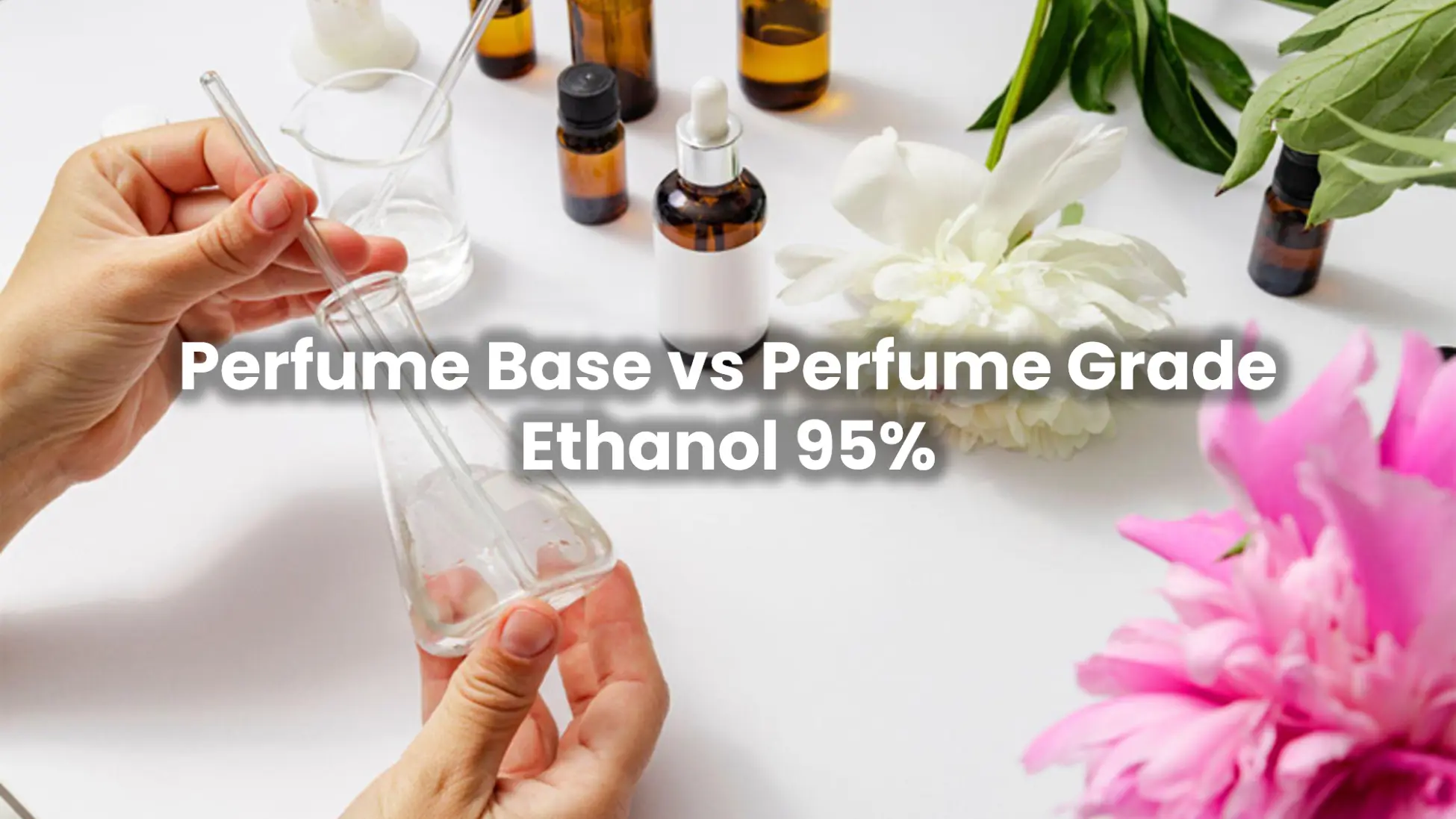
Perfume Base and Perfume Grade Ethanol 95% are two common materials used in perfume manufacturing. Both can be used to produce alcohol-based fragrances such as Eau de Parfum (EDP), Eau de Toilette (EDT) and body sprays. However, they serve different purposes and are not exactly the same.
For beginners starting a perfume business or manufacturers developing their own fragrance products, understanding the differences between these two materials is important. Choosing the right material can affect the formulation process, product performance and ease of production.
What Is Perfume Base?
Perfume Base is a ready-to-use material designed for making alcohol-based perfume products. It provides a suitable carrier for fragrance oil, allowing users to prepare perfume without having to develop the entire carrier system themselves.
The main purpose of Perfume Base is to simplify perfume manufacturing, especially for beginners, small perfume businesses and manufacturers who prefer a more straightforward production process.
How Does Perfume Base Work?
When fragrance oil is added to Perfume Base, the two materials are mixed to produce a perfume solution. The base helps distribute the fragrance throughout the formulation.
The amount of fragrance oil added determines the final fragrance concentration and influences the overall scent intensity.
Common Applications of Perfume Base
- Eau de Parfum (EDP)
- Eau de Toilette (EDT)
- Eau de Cologne (EDC)
- Body Mist
- Room Spray
- Linen Spray
However, suitability depends on the intended application. A base developed for personal perfume may not automatically be suitable for room or fabric sprays.
What Is Perfume Grade Ethanol 95%?
Perfume Grade Ethanol 95% is high-purity ethanol developed for use in fragrance and perfume manufacturing.
Ethanol, also known as ethyl alcohol, is a clear, colourless and volatile liquid. It is widely used in perfume production because it can dissolve many fragrance materials and evaporates relatively quickly after application.
The term 95% refers to the ethanol concentration, meaning that the material contains approximately 95% ethanol by volume, with the remaining portion consisting mainly of water.
How Does Perfume Grade Ethanol Work?
In perfume manufacturing, ethanol acts as a solvent and carrier for fragrance oil. It helps distribute fragrance materials throughout the formulation to produce a uniform liquid perfume.
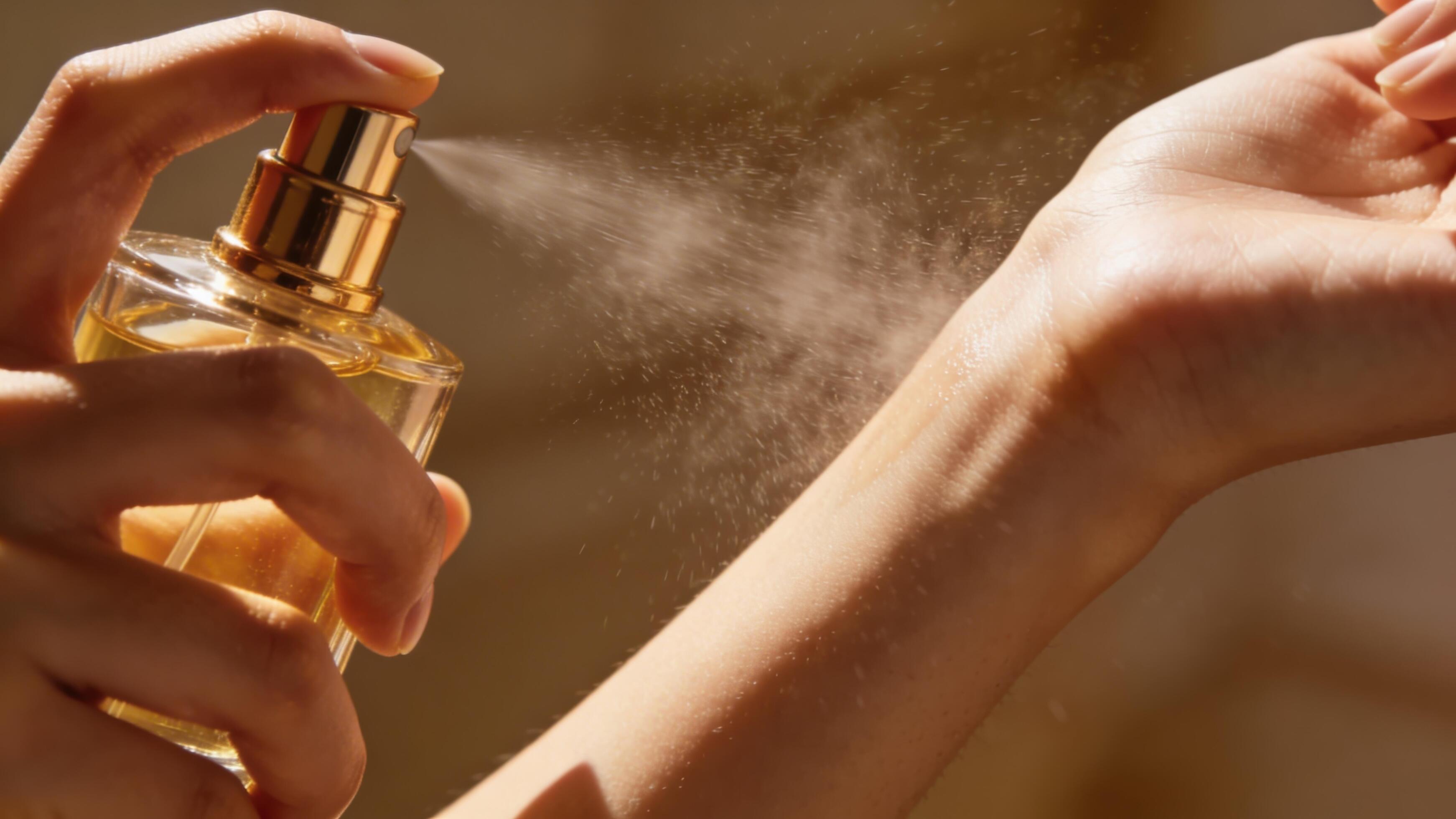
After spraying, the ethanol evaporates from the skin, allowing the fragrance materials to remain and release their scent.
Common Applications of Perfume Grade Ethanol 95%
- Eau de Parfum (EDP)
- Eau de Toilette (EDT)
- Eau de Cologne (EDC)
- Body perfume sprays
- Fine fragrance formulations
- Other suitable alcohol-based fragrance products
It is particularly useful for manufacturers who want greater control over their perfume formulations.
Key Differences Between Perfume Base and Perfume Grade Ethanol 95%
Although both materials are used in perfume production, their functions and characteristics are different.
Comparison | Perfume Base | Perfume Grade Ethanol 95% |
| |
Product type | Prepared perfume carrier | Ethanol solvent |
|
|
Main purpose | Simplifies perfume formulation | Dissolves and carries fragrance oil |
|
|
Preparation | Designed for direct perfume formulation | Used as a raw material |
|
|
Ease of use | More convenient | Requires formulation knowledge |
|
|
Flexibility | Less formulation work required | Greater formulation control |
|
|
Suitable users | Beginners and small businesses | Manufacturers and formulators |
|
|
The main difference is the level of formulation required. Perfume Base is prepared to simplify the perfume-making process, while Perfume Grade Ethanol 95% provides a basic starting material for manufacturers to develop their own formulations.
Which One Makes Perfume Last Longer?
Some people assume that Perfume Base always produces longer-lasting perfume than Perfume Grade Ethanol 95%. However, fragrance longevity depends on several factors.
Fragrance Oil Composition: Different fragrance oils have different evaporation characteristics. Citrus fragrances often evaporate quickly, while woody and musky fragrance profiles may contain materials that evaporate more slowly.
Fragrance Concentration: A higher fragrance concentration may produce a stronger scent, but it does not automatically guarantee longer-lasting performance.
Carrier System: The carrier affects how fragrance materials dissolve and are released after application. Different carrier systems may produce different fragrance performance.
Skin and Environment: Temperature, humidity, skin condition and application method can also influence how long a perfume lasts.
Therefore, neither material should automatically be considered better for fragrance longevity. Actual testing is the best way to compare performance.
Can You Mix Fragrance Oil Directly with Perfume Grade Ethanol 95%?
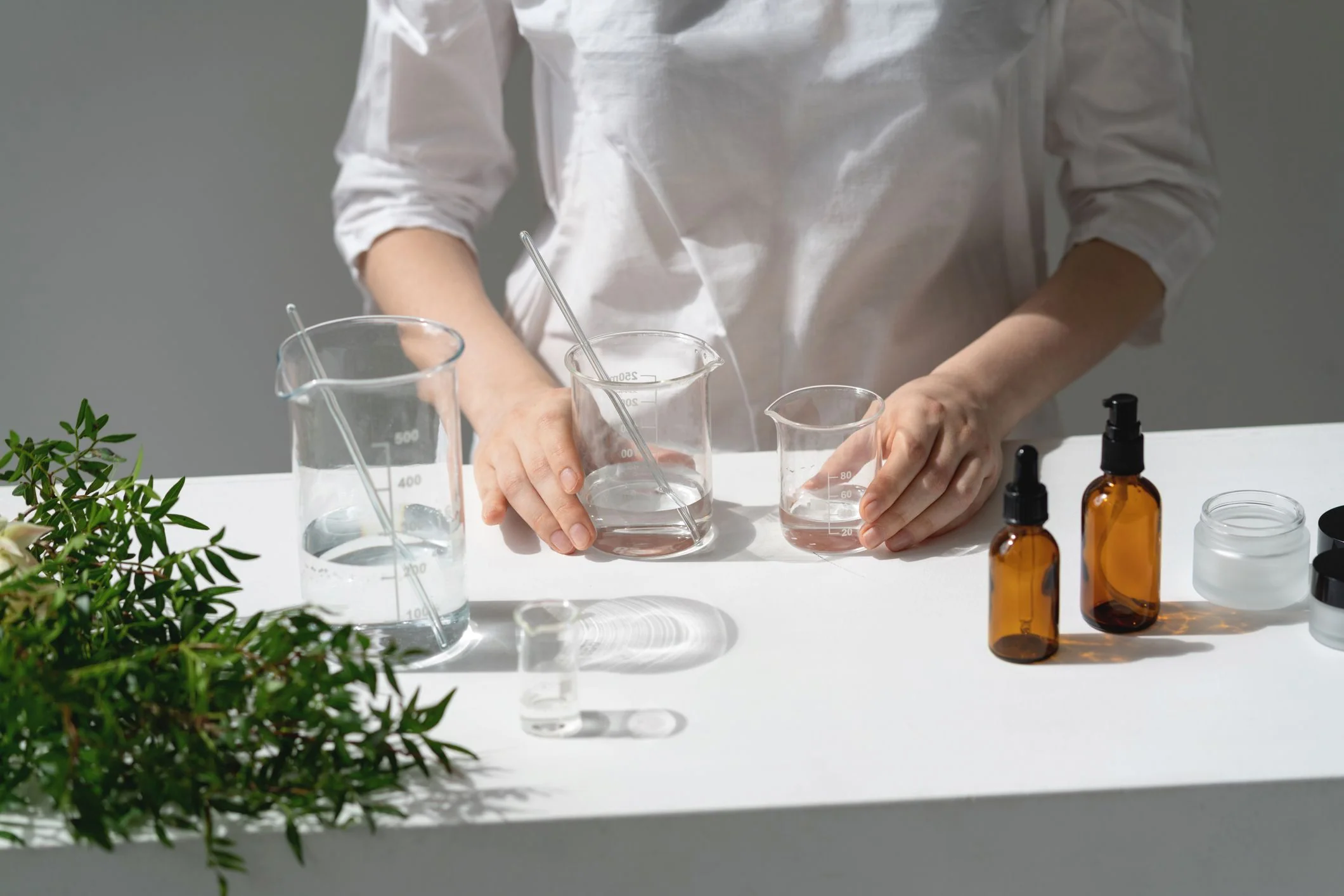
Yes. Perfume Grade Ethanol 95% can be mixed directly with compatible fragrance oils to produce alcohol-based perfume.
However, not all fragrance oils have the same solubility in ethanol. Some dissolve easily and produce a clear solution, while others may cause cloudiness, separation or sediment formation.
To avoid these problems, conduct a small-scale compatibility test before producing a large batch.
Mix the fragrance oil and ethanol at the intended ratio, then observe the mixture immediately and after a suitable resting period. Check whether it remains clear, uniform and free from sediment.
If cloudiness or separation occurs, further formulation adjustments may be necessary.
Which One Is More Suitable for Beginners?
For beginners starting a perfume business, Perfume Base is generally the more convenient option.
Choose Perfume Base if:
- You are new to perfume making.
- You prefer a simpler manufacturing process.
- You want to produce perfume by adding fragrance oil.
- You prefer a prepared perfume carrier.
Choose Perfume Grade Ethanol 95% if:
- You have experience in perfume formulation.
- You want greater control over your ingredients.
- You want to develop customised perfume formulations.
- You want to experiment with different fragrance concentrations and carrier systems.
Neither material is necessarily better. The right choice depends on your production requirements and formulation experience.
Important Factors to Consider When Making Perfume
Regardless of which material you choose, consider the following factors:
- Fragrance compatibility: Make sure the fragrance oil is suitable for alcohol-based perfume applications.
- Fragrance concentration: Select a suitable concentration based on the intended perfume type and fragrance safety limits.
- Product clarity: Check for cloudiness, separation and sediment formation.
- Packaging compatibility: Use suitable perfume bottles and spray components that can withstand contact with alcohol and fragrance materials.
- Safety: Ethanol is highly flammable. Handle it in a well-ventilated area and keep it away from heat, sparks and open flames.
For commercial production, follow the relevant Safety Data Sheets (SDS) and applicable cosmetic safety requirements.
Frequently Asked Questions (FAQs)
Q1: Is Perfume Base the same as Perfume Grade Ethanol 95%?
No. Perfume Base is a prepared perfume carrier, while Perfume Grade Ethanol 95% is an ethanol solvent used as a raw material in perfume formulation.
Q2: Which one is better for making EDP perfume?
Both can be used to produce EDP-style perfume. Perfume Base is more convenient, while Perfume Grade Ethanol 95% offers greater formulation flexibility.
Q3: Can I use Perfume Grade Ethanol 95% without adding anything else?
Yes. You can mix compatible fragrance oil directly with Perfume Grade Ethanol 95% to produce a basic alcohol-based perfume. However, the formulation must be tested for solubility and stability.
Q4: Can Perfume Base be used for room spray?
It may be suitable depending on its specifications. However, a base developed for personal perfume should not automatically be assumed suitable for room sprays.
Q5: Does 95% ethanol mean the final perfume contains 95% alcohol?
No. The 95% refers to the ethanol concentration of the supplied raw material, not the finished perfume. The actual ethanol content depends on the amount of ethanol used in the final formulation.
Conclusion
Perfume Base and Perfume Grade Ethanol 95% are both useful materials in perfume manufacturing, but they serve different purposes.
Perfume Base is a convenient, prepared material that simplifies perfume production. It is suitable for beginners, small perfume businesses and manufacturers who want a straightforward way to prepare alcohol-based fragrances.
Perfume Grade Ethanol 95%, on the other hand, is a high-purity solvent that provides greater flexibility in perfume formulation. It is suitable for manufacturers who want to develop customised perfume products and have more control over their formulations.
Understanding these differences helps perfume makers select the right material according to their production needs. Selecting a suitable fragrance oil, ensuring compatibility and conducting proper stability testing are essential steps in producing a consistent and quality perfume product.