Fabric softener is one of the most popular laundry care products used in homes, laundries, hotels and commercial cleaning facilities. While detergents are responsible for removing dirt and stains from fabrics, fabric softeners are designed to improve the feel, comfort and freshness of clothing after washing.
Today, consumers expect more than just clean clothes. They want fabrics that feel soft, smell pleasant and remain comfortable to wear throughout the day. This is why fabric softeners have become an important part of modern laundry routines.
If you are interested in producing your own fabric softener, understanding the function of each ingredient and the correct manufacturing process is essential. In this article, we will explain how fabric softener works, the ingredients required, a simple formulation and the step-by-step production process.
What Is Fabric Softener?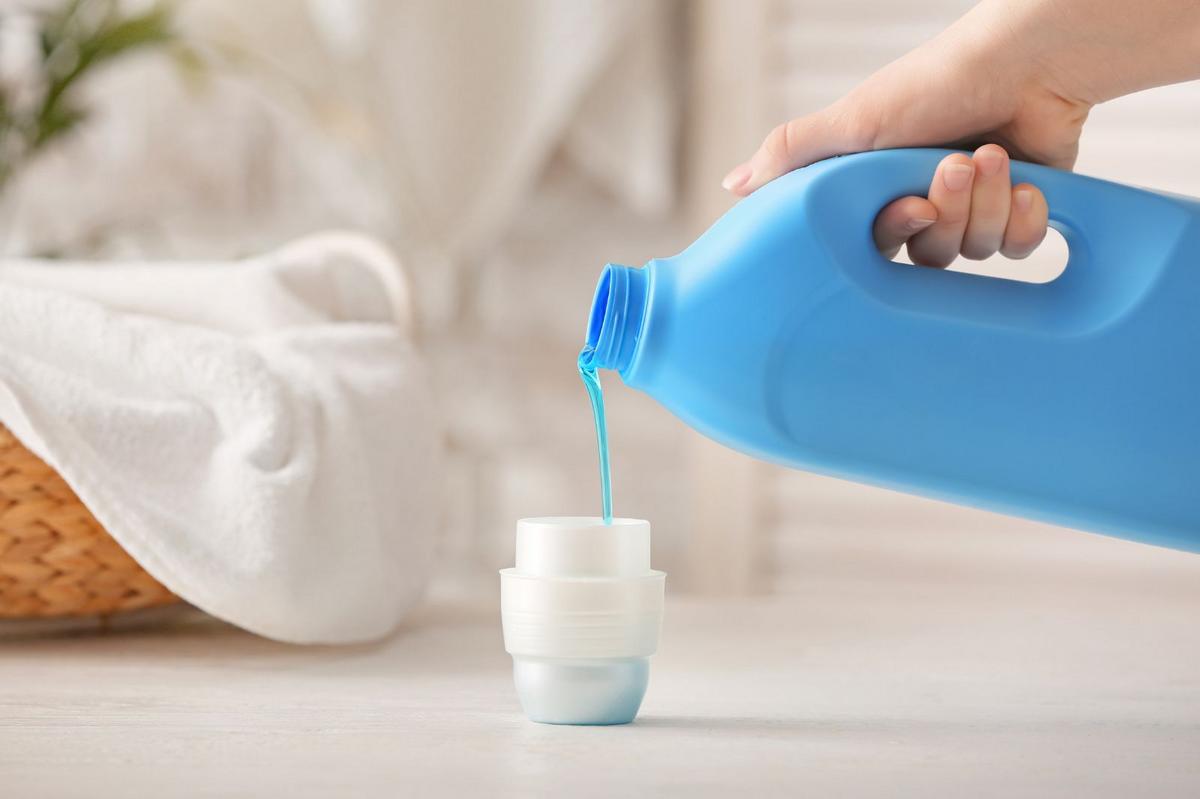
Fabric softener is a liquid conditioning product added during the rinse cycle of laundry washing. Its main purpose is to improve the softness and feel of fabrics while reducing static electricity and helping clothes maintain a fresh scent.
The active ingredients in fabric softeners form a thin layer on fabric fibers. This layer helps reduce friction between fibers, making clothes feel smoother and softer when touched.
Besides improving softness, fabric softeners can also provide several additional benefits, including:
- Softer and smoother fabrics
- Reduced static cling
- Easier ironing
- Improved fragrance retention
- Reduced fabric wear caused by friction
- Enhanced comfort when wearing clothes
Have you ever noticed that towels or clothes sometimes feel rough after repeated washing? Fabric softener helps restore a softer feel and improves the overall laundry experience.
How Does Fabric Softener Work?
When fabrics are washed, the fibers can become rough and tangled due to friction during the washing process.
Fabric softener contains conditioning agents that deposit onto the fabric surface during the rinse cycle. These conditioning materials help smooth the fabric fibers and create a lubricating effect.
As a result:
- Fabrics feel softer.
- Fibers glide more easily against each other.
- Static electricity is reduced.
- Fragrance can remain on fabrics for a longer period.
This simple mechanism is what makes fabric softener an essential product in many laundry care formulations.
Basic Ingredients Used in Fabric Softener
A fabric softener can be manufactured using a simple formulation consisting of a softener base, fragrance, preservative, water and optional additives.
The formulation can be adjusted depending on the desired softness, fragrance strength and product viscosity.
Typical Fabric Softener Formulation
Ingredient | Percentage (%) |
Softener Base | 5 – 8 |
Pure Fragrance Oil | 0.5 – 3.0 |
Phenoxyethanol | 0.5 – 1.0 |
Distilled Water | Balance to 100 |
Thickener (CMC or HPMC) | As Needed |
Colorant | As Needed |
This formulation produces a ready-to-use fabric softener suitable for household and commercial laundry applications.
Function of Each Ingredient
Softener Base
The softener base is the primary ingredient responsible for providing softness to fabrics.
Functions:
- Conditions fabric fibers
- Improves softness
- Reduces static electricity
- Makes ironing easier
- Enhances fabric comfort
The amount of softener base used will directly affect the final softness performance of the product.
Pure Fragrance Oil
Fragrance is added to provide a pleasant scent that remains on fabrics after washing.
Functions:
- Provides freshness
- Improves consumer satisfaction
- Enhances product appeal
- Contributes to long-lasting scent on fabrics
The fragrance level can be adjusted depending on the desired scent strength and product positioning.
Phenoxyethanol
Phenoxyethanol acts as a preservative in water-based formulations.
Functions:
- Prevents microbial contamination
- Extends product shelf life
- Maintains product quality during storage
Since fabric softeners contain a high percentage of water, preservation is important to prevent bacterial or fungal growth.
Distilled Water
Distilled water serves as the main carrier for all ingredients.
Functions:
- Dilutes active ingredients
- Allows uniform distribution of ingredients
- Forms the majority of the product
Distilled water is recommended because it contains fewer impurities that may affect product stability.
CMC or HPMC Thickener
Thickeners are optional ingredients used to adjust the viscosity of the final product.
Functions:
- Improves product appearance
- Creates a richer product texture
- Helps achieve the desired pouring characteristics
Different markets may prefer different product viscosities, ranging from thin liquids to thicker premium-looking formulations.
Colorant
Colorants are added primarily for aesthetic purposes.
Functions:
- Improves visual appearance
- Helps differentiate product variants
- Creates a more attractive finished product
Only a small amount is usually needed to achieve the desired color.
Step-by-Step Guide
Step 1: Prepare the Water Phase
Add approximately 70–80% of the required distilled water into a clean mixing tank. Start mixing at moderate speed. Using clean distilled water helps improve product stability and reduces the possibility of contamination.
Step 2: Prepare the Thickener Solution
If viscosity adjustment is required, slowly add CMC or HPMC into the water while mixing continuously. Do not add the powder too quickly, as this may cause lumps to form. Allow sufficient time for the thickener to fully hydrate and develop viscosity.
Why is this important? Proper thickener hydration helps produce a smooth and uniform product without clumps or uneven texture.
Step 3: Add the Softener Base
Slowly add the softener base into the mixing tank while maintaining continuous agitation. Mix until the solution becomes completely uniform.
At this stage, the conditioning agents contained in the softener base begin dispersing throughout the formulation and form the foundation of the fabric softener.
Step 4: Add Phenoxyethanol
Add the required amount of phenoxyethanol. Continue mixing for several minutes to ensure complete distribution throughout the batch.
This step helps protect the product from microbial contamination during storage and use.
Step 5: Add Fragrance Oil
Slowly add the fragrance oil into the mixture. Continue stirring until the fragrance is fully incorporated.
Proper mixing is important because uneven fragrance distribution may result in inconsistent scent performance throughout the batch.
Step 6: Add Colorant
If color is required, prepare a diluted color solution and add gradually. Mix thoroughly after each addition until the desired shade is achieved.
It is always easier to add more color than to remove excess color, so add slowly and carefully.
Step 7: Top Up with Remaining Water
Add the remaining distilled water to achieve the final batch weight. Continue mixing until the product becomes completely homogeneous.
Inspect the appearance to ensure there is no separation or uneven distribution of ingredients.
Step 8: Quality Check
Before packaging, evaluate the finished product for:
- Appearance
- Color consistency
- Fragrance quality
- Viscosity
- Stability
Make any necessary adjustments before filling.
Step 9: Filling and Packaging
Transfer the finished product into clean bottles or containers. Allow excessive air bubbles to settle if necessary. Seal, label and store the finished product appropriately.
Common Problems During Production
Product Too Thin
Possible causes:
- Insufficient thickener
- Incomplete thickener hydration
- Low softener base concentration
Solutions:
- Increase thickener dosage gradually
- Allow more hydration time
- Review formulation ratios
Product Too Thick
Possible causes:
- Excess thickener
- Over-hydration of thickener
Solutions:
- Dilute with additional water
- Reduce thickener dosage in future batches
Fragrance Separation
Possible causes:
- Excess fragrance loading
- Incompatible fragrance oil
- Insufficient mixing
Solutions:
- Reduce fragrance dosage
- Select a more compatible fragrance
- Improve mixing conditions
Microbial Contamination
Possible causes:
- Insufficient preservative
- Contaminated water
- Poor manufacturing hygiene
Solutions:
- Ensure correct preservative dosage
- Use distilled water
- Maintain clean production equipment
Tips for Producing High-Quality Fabric Softener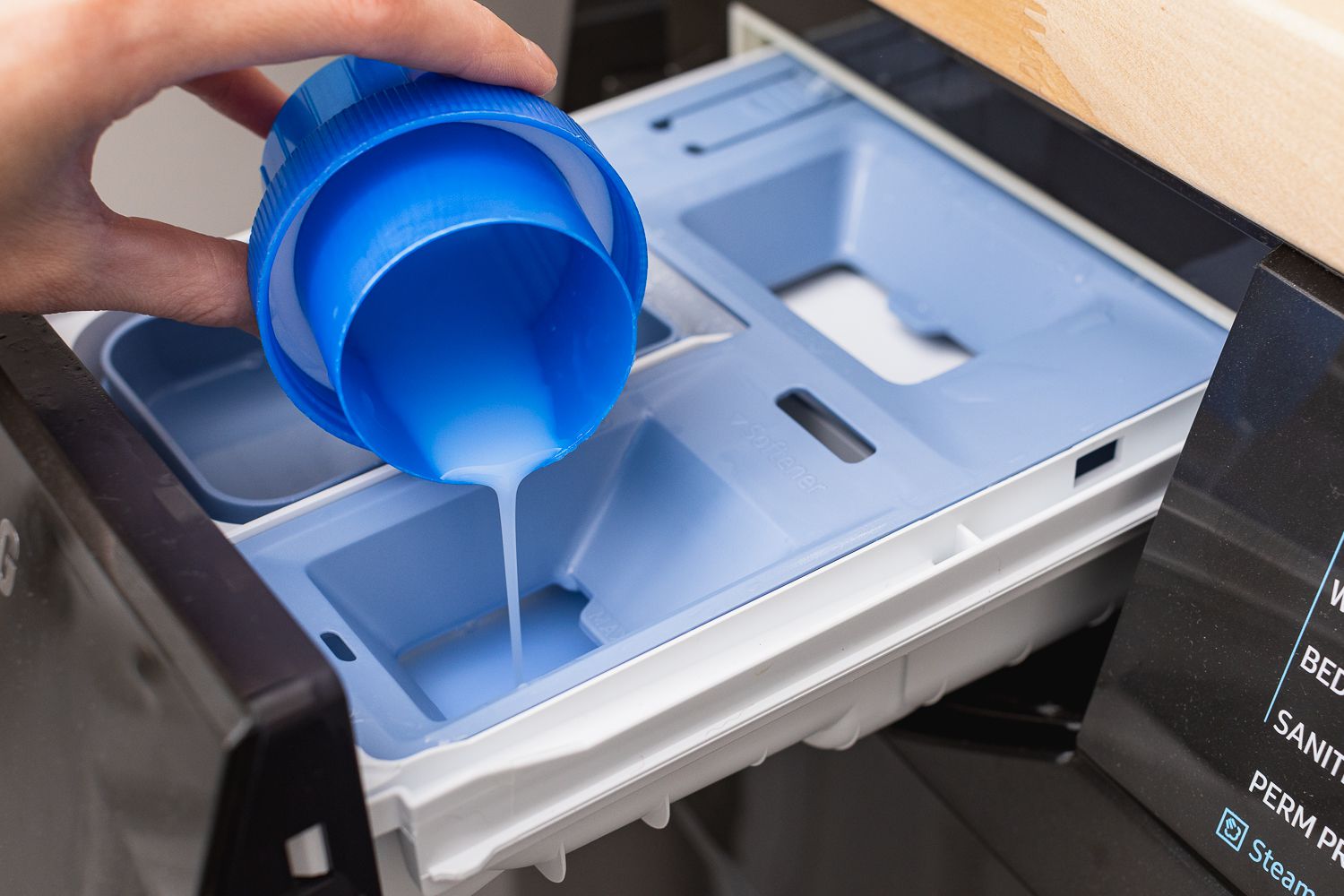
To improve the quality and performance of your fabric softener, consider the following recommendations:
- Use high-quality fragrance oils suitable for laundry applications.
- Use distilled water whenever possible.
- Add thickener slowly to avoid lump formation.
- Maintain good manufacturing hygiene.
- Conduct stability testing before commercial production.
- Store raw materials in a cool and dry environment.
- Evaluate fragrance performance on actual fabrics before launching the product.
Small adjustments to fragrance level, viscosity and softener concentration can significantly affect consumer perception and product performance.
Conclusion
Fabric softener is an important laundry care product that improves fabric softness, comfort and freshness after washing. By combining a softener base with fragrance, preservative, distilled water and optional additives such as thickeners and colorants, manufacturers can create a stable and effective fabric softener suitable for a wide range of applications.
Understanding the role of each ingredient and following the correct manufacturing procedure helps ensure consistent product quality, good stability and excellent user experience. Whether producing small batches or scaling up for commercial manufacturing, proper formulation and process control are essential for developing a fabric softener that meets customer expectations.